Everything About Heuphyulpari (Sandfly)
[Asia Economy Reporter Jin-kyung Lee] As the weather gets warmer, more people are planning various outdoor activities such as water play, fishing, and camping. However, summer is a season when various blood-sucking insects are very active, so caution is necessary. When thinking of blood-sucking insects, most people easily think of mosquitoes, but there is actually another scary creature that should be avoided as much as summer mosquitoes. It is the 'sandfly,' also known as the bloodsucking fly. While some people tend to get bitten by mosquitoes more than others, sandflies do not discriminate and bite anyone, making anyone a potential target. Their bites are much more painful than mosquito bites and the wounds last longer. So, what exactly is a sandfly? Let's take a closer look at how to avoid getting bitten.
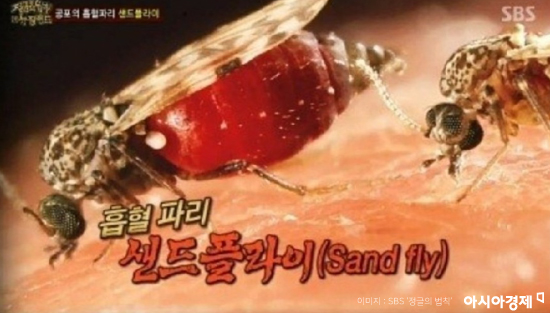
● What does a sandfly look like and where does it live?
A type of biting midge, sandflies resemble flies and have a body length of 1 to 5 mm, smaller than mosquitoes. Sandflies mainly inhabit moist areas such as riverbanks, coastal areas, and valleys. They have a limited activity range of about 100 to 150 meters from their birthplace, which is said to be due to their poor flying ability.
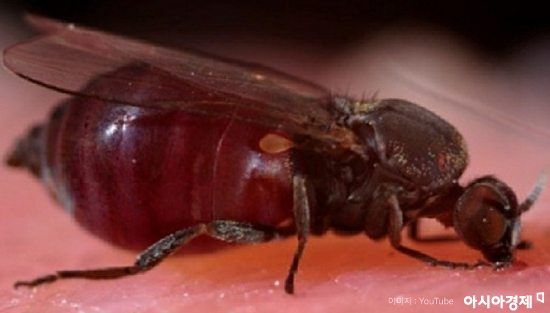
● Why are sandflies dangerous?
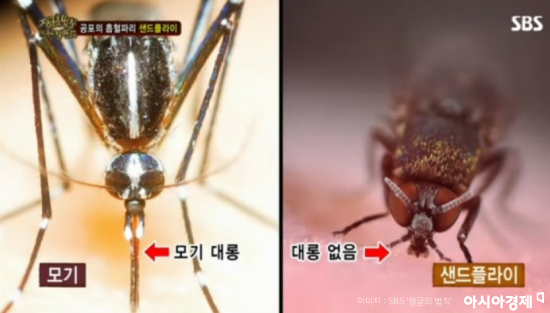
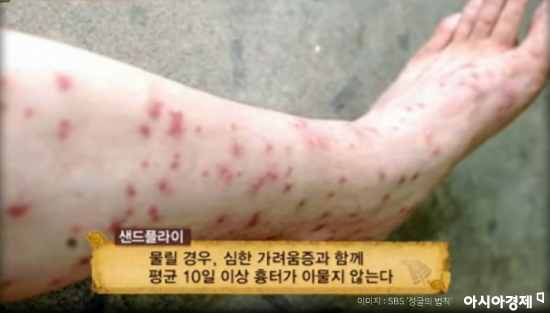
Like mosquitoes, sandflies suck human blood but have distinctly different characteristics. Mosquitoes pierce the skin of animals or humans with their proboscis to suck blood, but sandflies bite and tear the skin to create wounds and then suck the blood that comes out. Because of their small size, the pain at the time of the bite may not be noticeable, making it hard to detect. However, the itching is about 20 times worse than that of mosquito bites, and the pain is severe. Even after the wound heals, deep scars can remain for about a year, and the wounds are prone to secondary infections, so careful wound care is necessary.
● Is it easy to catch sandflies?
Although sandflies are small but visible in size, and one might think they are easy to catch like mosquitoes, they are very agile, making them difficult to catch. Unlike mosquitoes, sandflies do not make a 'wing' sound when flying, so many people do not notice them approaching closely. Also, there are no official records of sandflies transmitting major diseases, so no special insecticide spraying is done in many places. Therefore, personal caution is needed during outdoor activities.
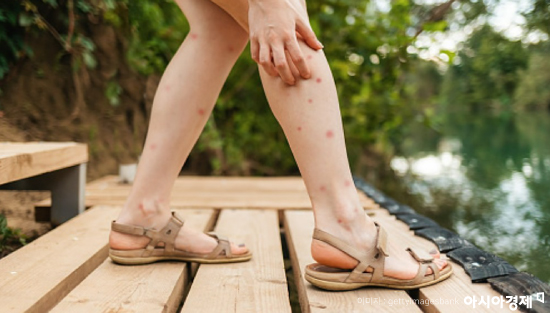
● Symptoms that appear when bitten by a sandfly
▷ Immediately after being bitten, there may be no noticeable symptoms or a slight stinging sensation.
▷ The skin around the bite becomes very red.
▷ Within 1 to 3 hours after the bite, the area gradually swells and itching begins.
▷ Depending on the area, in severe cases, the swelling can be as large as a fist and blisters may form.
▷ Over time, the itching worsens, the wound area swells, and discharge may occur.
▷ Intense itching and pain can last for 3 to 5 days, and if severe symptoms are left untreated, the condition may worsen with a long incubation period, so it is best to visit a dermatologist promptly.
▷ Ointments need to be applied and medication taken for some time; the symptoms do not subside easily and wound recovery takes a while.
▷ Applying hot water or hot compresses to relieve itching may temporarily reduce the itch but can cause significant scarring, so cold compresses such as ice packs are recommended to alleviate itching.
● How to avoid getting bitten by sandflies?
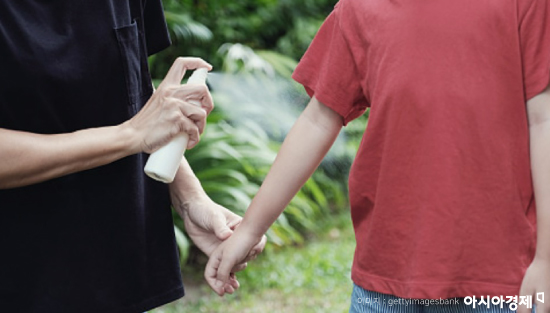
Sandflies are active in summer and frequently appear near water bodies such as lakes and valleys, so it is best not to stay too long in such places. If you engage in water play or outdoor activities, wearing long-sleeved clothes and long pants to minimize exposed skin is recommended. Spraying sandfly repellents on your body or belongings beforehand is also a good method. Bloodsucking insects like sandflies, biting midges, and mosquitoes prefer dark-colored clothing, so it is better to wear light-colored clothes whenever possible.
● What to do if bitten!
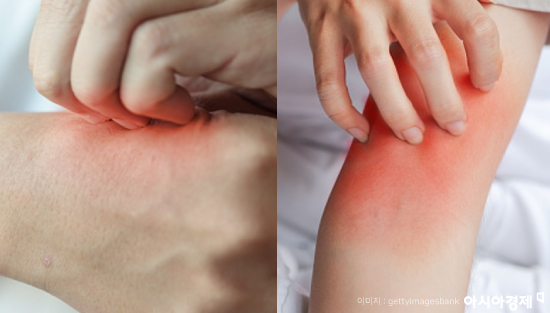
Since sandfly bites cause severe itching, it is important to avoid scratching unconsciously by covering the wound with a large bandage. Instead of folk remedies like applying saliva or vinegar, it is better to apply cold compresses to reduce heat. Using mosquito ointments and taking antihistamines is also recommended. If symptoms do not improve easily and the wound area swells significantly, it is best to visit a hospital promptly.
© The Asia Business Daily(www.asiae.co.kr). All rights reserved.
![Clutching a Stolen Dior Bag, Saying "I Hate Being Poor but Real"... The Grotesque Con of a "Human Knockoff" [Slate]](https://cwcontent.asiae.co.kr/asiaresize/183/2026021902243444107_1771435474.jpg)

















