Physical Symptoms Like Muscle Stiffness Accompany Excessive Anxiety
"If Neglected, It May Lead to Depression and Alcohol Dependence"
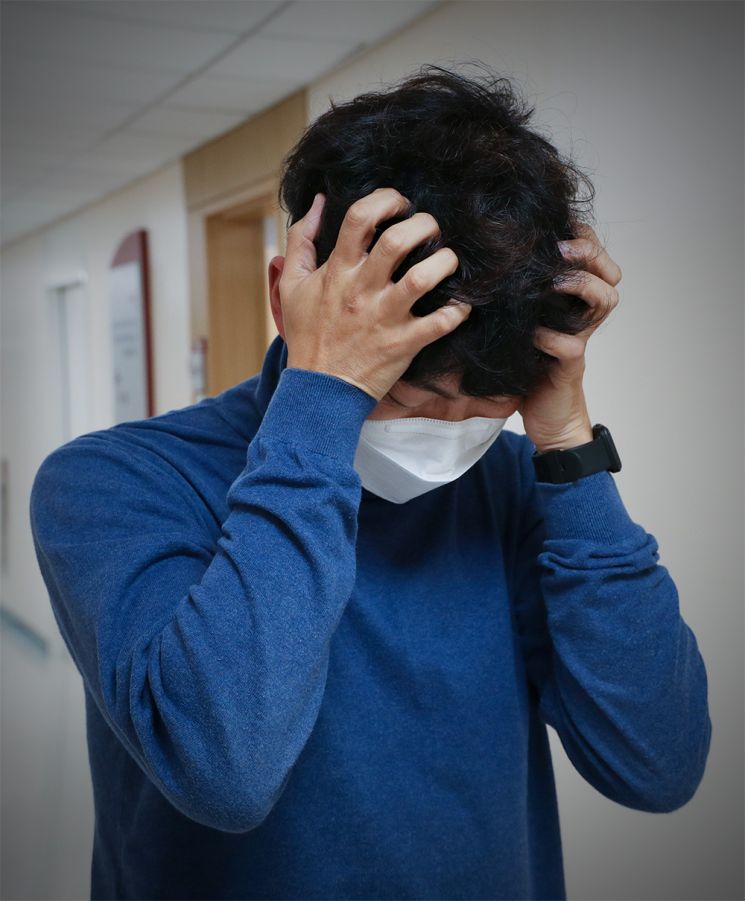
[Asia Economy Reporter Kim Young-won] If you find it difficult to concentrate on studies or work due to worry and anxiety, easily become fatigued, or suffer from long-term insomnia, it may be necessary to suspect generalized anxiety disorder (GAD). Anxiety disorders are mental illnesses that cause anxiety without reason or excessive anxiety, leading to various physical and mental symptoms. Representative disorders include panic disorder, generalized anxiety disorder, and phobias, among which generalized anxiety disorder has a relatively high lifetime prevalence of about 5% of the total population.
Of course, anxiety within the normal range is a warning signal to prepare for dangerous situations and is a natural emotional response for survival. However, if anxiety and worry become excessive, causing various physical and mental distress in daily life and significantly lowering quality of life, it is necessary to suspect generalized anxiety disorder.
The biggest difference between normal anxiety and generalized anxiety disorder is the presence or absence of a 'trigger.' If you feel excessive anxiety without any factors or events that could cause anxiety, generalized anxiety disorder can be suspected. Generalized anxiety disorder is usually accompanied by physical symptoms. For example, while walking, you may feel anxious for no reason, as if an accident might happen, leading to rapid breathing, increased heart rate, or muscle stiffness. If these anxiety symptoms persist for more than six months and interfere with normal daily life, a diagnosis of generalized anxiety disorder is made.
The cause of generalized anxiety disorder has not been clearly identified. From a biological perspective, it is believed to occur due to dysfunction in the brain's neurotransmitter systems, especially abnormalities in the GABA, serotonin, and norepinephrine neurotransmitter systems in the cerebrum. Psychodynamically, anxiety is sometimes considered an expression of unresolved unconscious conflicts. From a cognitive-behavioral perspective, excessive obsession with negative events and distortions in information processing are seen as causes of generalized anxiety disorder.
Treatment for generalized anxiety disorder can be broadly divided into pharmacological and non-pharmacological therapies, with antidepressants commonly used in drug treatment. These include selective serotonin reuptake inhibitors (SSRIs) and serotonin-norepinephrine reuptake inhibitors (SNRIs). Additionally, anti-anxiety medications such as benzodiazepines may be used for short-term treatment. Along with medication, various psychological therapies, cognitive behavioral therapy, and relaxation techniques can be combined as non-pharmacological treatments.
Professor Yoon Ho-kyung of the Department of Psychiatry at Korea University Ansan Hospital explained, "Generalized anxiety disorder is generally a mental illness that is difficult to prevent, but managing and controlling stress through psychological relaxation such as rest and hobbies can help in prevention." Professor Yoon added, "Some anxiety disorder patients do not consider their condition as an illness and neglect it, but this can lead to depression, alcohol dependence, and drug abuse, so caution is needed," emphasizing, "Early diagnosis and treatment of generalized anxiety disorder, like other mental illnesses, are of utmost importance."
© The Asia Business Daily(www.asiae.co.kr). All rights reserved.
![Clutching a Stolen Dior Bag, Saying "I Hate Being Poor but Real"... The Grotesque Con of a "Human Knockoff" [Slate]](https://cwcontent.asiae.co.kr/asiaresize/183/2026021902243444107_1771435474.jpg)















