Definitive and Effective Extended Deterrence Against North Korea Between South Korea and the U.S.... Possibility of Normalizing EDSCG and ROK-U.S. Combined Military Exercises
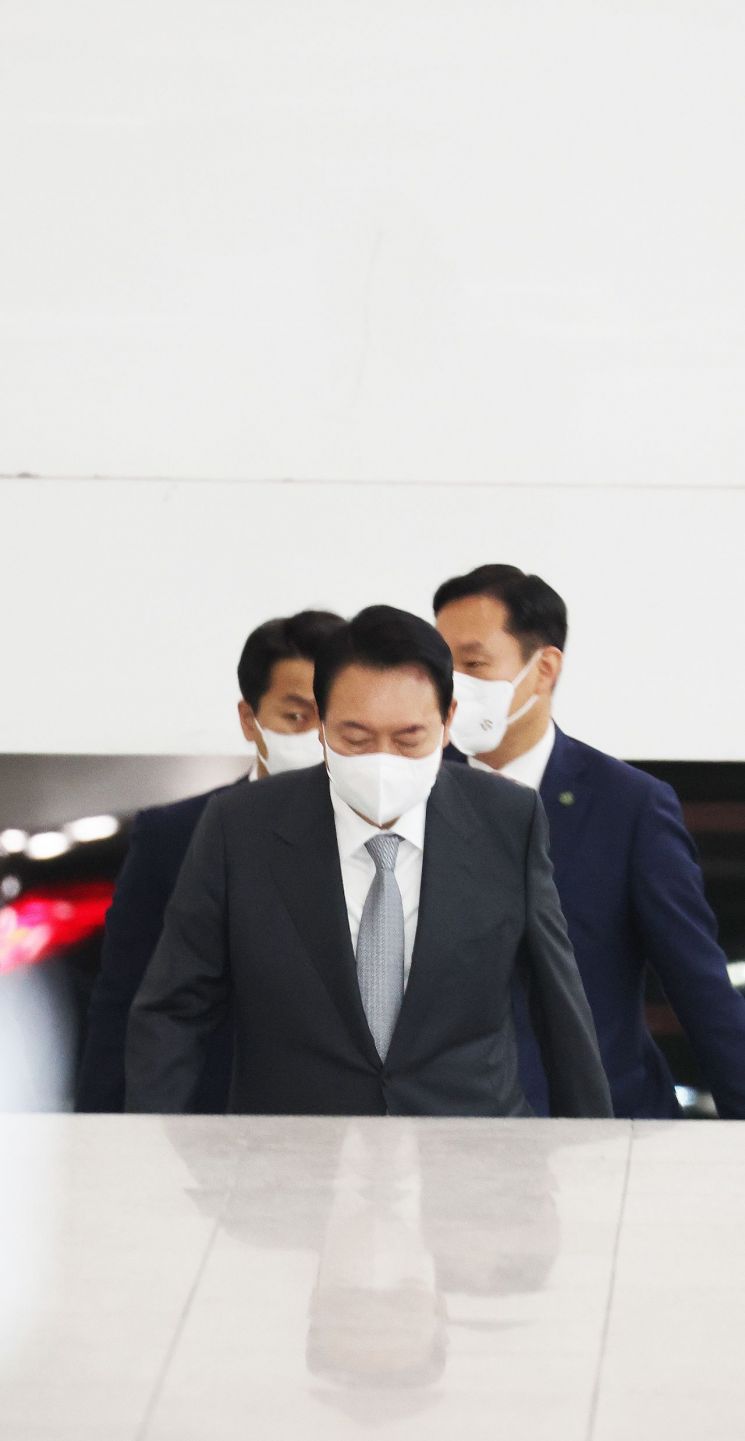
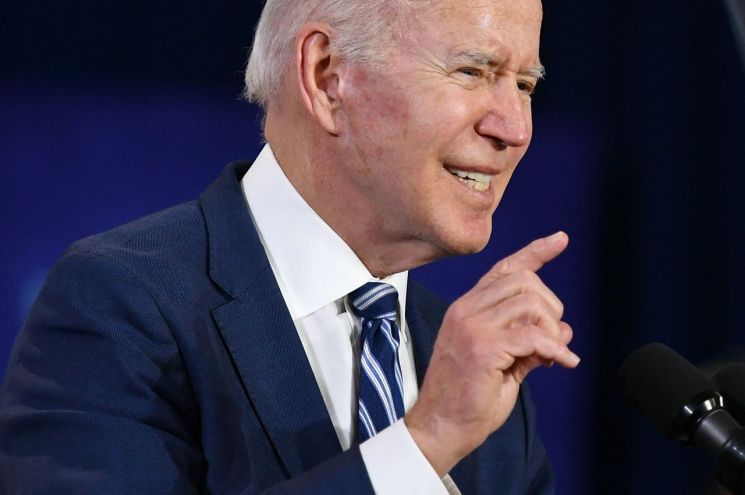
[Asia Economy Reporter Baek Kyunghwan] President Yoon Suk-yeol's debut in summit diplomacy will take place on the 21st, just 11 days after his inauguration. Among all past presidents, this is the fastest summit meeting between South Korea and the United States, and it is the first time in 29 years since 1993 that a U.S. president visits South Korea first. Both domestic political circles and the United States attach great diplomatic significance to President Biden's schedule of visiting South Korea before Japan. President Biden is heading to Asia to attend the Quad (a security consultative group for the Indo-Pacific region consisting of the U.S., Japan, Australia, and India) summit meeting held in Japan, but he will visit South Korea first before going to Japan.
The primary agenda of this summit is cooperation measures to respond to North Korea's nuclear threat. Since the latter half of the Moon Jae-in administration, relations between South and North Korea and between North Korea and the U.S. have cooled significantly, and tensions around the Korean Peninsula have escalated due to North Korea's successive military provocations. The two leaders have no choice but to expedite discussions on strategies for coordinated responses to North Korea.
With clear signs of North Korea's 7th nuclear test and an imminent intercontinental ballistic missile (ICBM) test launch, the two leaders are expected to reaffirm strong deterrence against North Korea. Kim Tae-hyo, First Deputy Director of the National Security Office, also stated, "Currently, the possibility of North Korea conducting a nuclear test by this weekend is relatively low," but added, "However, preparations for missile launches, including ICBMs, are judged to be imminent."
The Presidential Office regards the most urgent issue to address at this summit as establishing a firm and effective extended deterrence against North Korea between South Korea and the U.S. They intend to present a concrete 'action plan,' which may include the reactivation of the 'Extended Deterrence Strategy and Consultation Group' (EDSCG), normalization of joint military exercises between South Korea and the U.S., and deployment of U.S. strategic assets on the Korean Peninsula.
In particular, the EDSCG, launched during the Park Geun-hye administration, is a consultative body where South Korean and U.S. diplomatic and defense authorities discuss effective measures for extended deterrence against North Korea. The two leaders may announce plans to regularize this body. This includes matters such as the rotational deployment of U.S. strategic assets, including the nuclear umbrella, which North Korea has reacted to very sensitively.
Measures to normalize the South Korea-U.S. joint military exercises, which have been scaled down over the past five years due to special circumstances such as COVID-19, may also be discussed. The new administration has set a goal to normalize the joint exercises within this year as the COVID-19 situation is improving.
The spread of COVID-19 within North Korea ahead of President Biden's visit is considered a variable. Moreover, since President Yoon has expressed willingness to provide vaccines and medical supplies to North Korea, humanitarian aid discussions between South Korea and the U.S. may also take place during this summit. Foreign Minister Park Jin also mentioned the possibility of this agenda during his appearance at the National Assembly on the 17th, stating, "In a video call with U.S. Secretary of State Antony Blinken on Friday (13th), we discussed the situation on the Korean Peninsula, including North Korea's COVID-19 cases and the need for humanitarian aid." Minister Park also expressed willingness to consult with the UN and the U.S. to send 'cold chain' facilities to North Korea for transporting and storing COVID-19 vaccines at low temperatures. This could open the door to considering case-by-case sanctions exemptions for humanitarian aid to North Korea.
However, the likelihood of including support measures for North Korea in a joint declaration is low. North Korea has not responded positively to health cooperation, including COVID-19, and although the U.S. has inquired about aid, no response has been confirmed. A Presidential Office official also stated, "While South Korea and the U.S. can discuss North Korea's health and medical issues, it is difficult to proceed with concrete talks under the current circumstances."
© The Asia Business Daily(www.asiae.co.kr). All rights reserved.
![Clutching a Stolen Dior Bag, Saying "I Hate Being Poor but Real"... The Grotesque Con of a "Human Knockoff" [Slate]](https://cwcontent.asiae.co.kr/asiaresize/183/2026021902243444107_1771435474.jpg)

















