Various Illnesses You May Experience When Flying and How to Handle Them
[Asia Economy Reporter Jin-kyung Lee] Even healthy individuals can easily feel suffocated after spending a long time on an airplane or in a confined space. If you have conditions such as diabetes, panic disorder, or aviophobia, boarding a plane itself can cause worry and fear. According to the Ministry of Land, Infrastructure and Transport, there are many cases of emergency landings due to passengers' health issues. Let's explore what other illnesses can be experienced during flights and learn useful health management and disease prevention tips to know before boarding a plane.
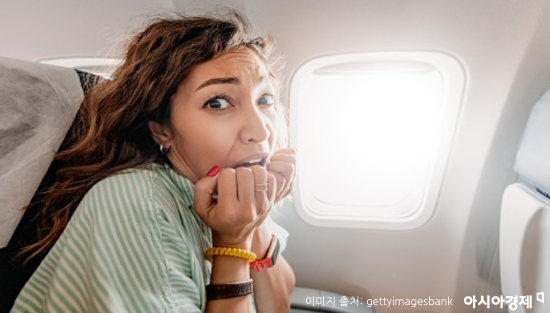
● Skin and Eye Diseases
The air inside an airplane is dry, which can cause dry eyes or dry skin, so it is important to frequently use lotion, cream, or mist to keep the skin moisturized. Wearing glasses is preferable to contact lenses, and carrying disposable artificial tears to apply whenever your eyes feel dry can help with eye dryness. Additionally, ultraviolet rays entering through the airplane window are stronger than on the ground, so prolonged exposure can cause various skin diseases such as skin cancer. Therefore, it is best to keep the window closed and frequently apply sunscreen to exposed areas like the face and neck.
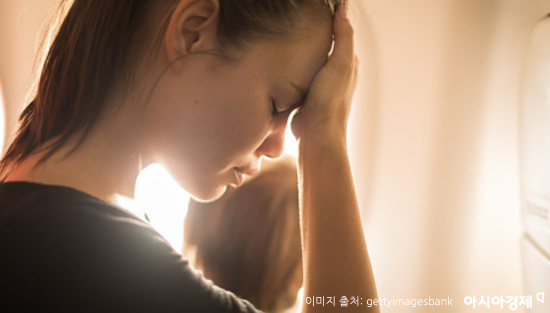
● For Those with Lung or Respiratory Diseases
The humidity inside an airplane is about 5 to 15%, which dries out the protective mucous membranes of the nose and larynx, making it easier for bacteria to invade. Also, the confined space increases the risk of catching colds or respiratory diseases due to high transmissibility. Therefore, it is advisable to drink plenty of fluids to keep the bronchial mucosa moist and wear a mask. Maintaining cleanliness by washing hands before and after the flight is also important. For patients with asthma or chronic obstructive pulmonary disease, the oxygen demand increases as the flight altitude rises, so it is recommended to prepare a portable oxygen generator in advance or request passenger oxygen supply equipment on the aircraft.
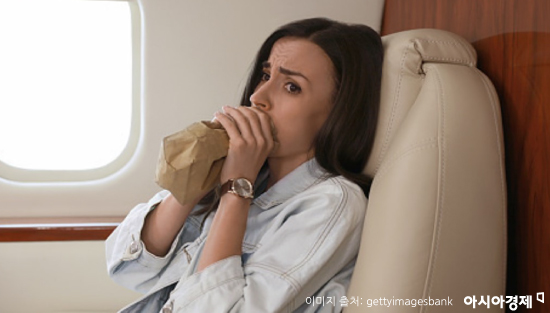
● Ear Fullness and Barotitis Media Symptoms
During airplane takeoff and landing, the pressure difference can cause sudden ear fullness and severe pain, known as 'barotitis media.' To relieve this, you should eat or swallow something to naturally open the normally closed Eustachian tubes and reduce the pressure difference. Therefore, swallowing saliva, chewing gum, eating candy or jelly, yawning, or holding your nose and mouth while exhaling are recommended. Wearing earplugs in advance is also a method. Earplugs help regulate the pressure between the outer and inner ear, reducing ear pain and blocking external noise, minimizing ear irritation.
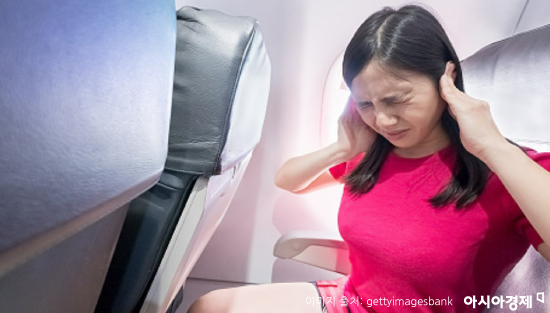
● Aviophobia or Panic Disorder
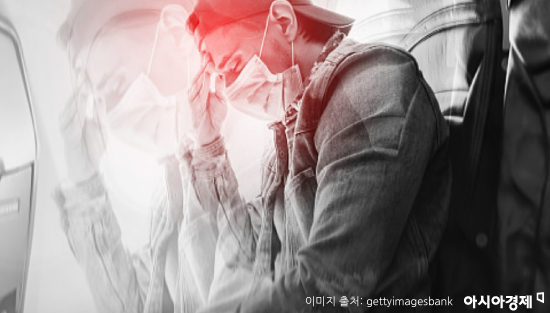
About 10% of adults experience aviophobia. This refers to symptoms such as anxiety and difficulty breathing caused by the fear of being trapped in a confined space without escape when flying. Therefore, people with aviophobia, panic disorder, or claustrophobia should secure aisle or exit row seats when issuing boarding passes and avoid consuming caffeine or alcohol as much as possible. After boarding, practicing diaphragmatic breathing or imagining comfortable and happy moments can help, and walking in the cabin aisle or stretching is also beneficial. If symptoms are severe, it is advisable to consult a doctor before traveling to get emergency medication prescribed and take it as directed.
● Circulatory Disorders
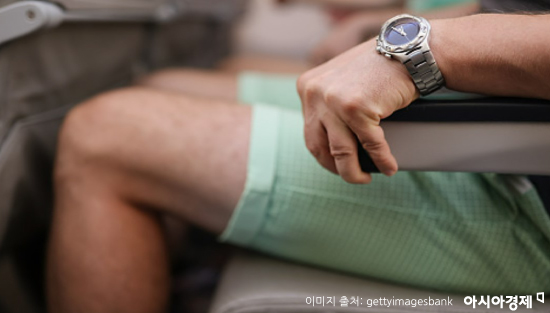
Sitting for long periods during extended flights can cause oxygen deficiency in the blood and poor circulation, leading to blood pooling in the legs and feet, causing swelling and numbness. This in-flight condition caused by poor circulation is called Economy Class Syndrome. It occurs when sitting in the same position for a long time and then moving suddenly, and severe symptoms can be fatal, so caution is necessary. Stretching the waist, ankles, and calf muscles every 1 to 2 hours or frequently flexing and extending the toes helps, and occasionally standing up to walk in the aisle is recommended. Wearing comfortable, non-restrictive clothing when boarding and using medical compression stockings if you have had varicose vein treatment are also good methods.
● Loss of Appetite
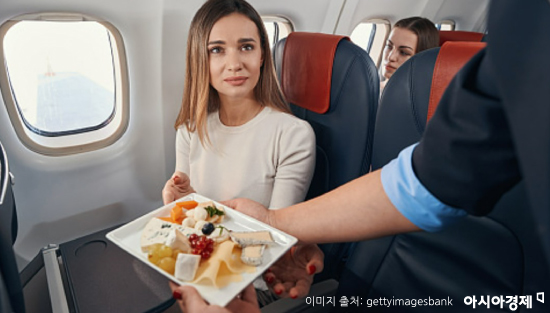
Under low pressure and humidity, our tongue's sensitivity to salty and sweet tastes can decrease by up to 30%. Additionally, the dry air inside the cabin dulls the sense of smell, so many airlines add more seasoning to in-flight meals. However, food eaten on board may still taste bland, and appetite may decrease compared to usual. Fortunately, mushrooms and tomatoes taste better under low pressure and dry air. Therefore, consuming in-flight meals containing these two ingredients can help stimulate appetite. However, sitting for long periods with low activity slows digestion and can cause bloating, so it is better not to overeat.
● If You Are Taking Medication for Conditions Such as Diabetes
Before traveling, it is advisable to obtain an English medical certificate or prescription from your attending specialist that includes the diagnosis and a list of the generic names of all current medications. Prepare enough of your usual medications, insulin injections, blood glucose meters, and hypoglycemia treatment drugs for the duration of the trip, and carry them in their original containers to facilitate airport security checks. To prevent damage or loss of luggage and to avoid deterioration of insulin injections due to sudden temperature or pressure changes in the cargo hold, always keep medications and diabetes-related supplies in one bag and carry it with you on the plane. If you have diabetic retinopathy or have recently undergone retinal laser treatment, consult your doctor beforehand about the possibility of flying, as pressure changes during flight may cause problems.

● If You Need to Fly While Pregnant
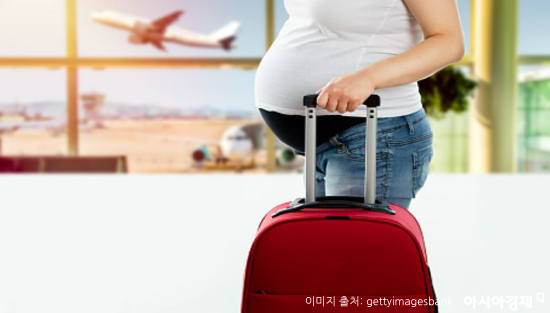
Healthy pregnant women without complications can travel abroad, with the best time being the second trimester, between 14 and 28 weeks. Healthy pregnant women can fly up to 36 weeks, but since airline policies vary regarding pregnancy, it is important to check the allowed gestational age in advance. However, if you have medical conditions such as hypertension, lung disease, or diabetes, or obstetric risk factors such as a history of preterm birth, cervical insufficiency, or twin pregnancy, consultation with a specialist is necessary. Noise and cosmic radiation during flight are known not to harm the mother or fetus, but long flights increase the risk of venous congestion and venous thromboembolism in the legs due to restricted activity, so caution is required.
© The Asia Business Daily(www.asiae.co.kr). All rights reserved.
![Clutching a Stolen Dior Bag, Saying "I Hate Being Poor but Real"... The Grotesque Con of a "Human Knockoff" [Slate]](https://cwcontent.asiae.co.kr/asiaresize/183/2026021902243444107_1771435474.jpg)

















