Global Supply Chain Collapse, Raw Material Price Hikes, and US Interest Rate Increases Compound Challenges
Domestic Economy Also Struggles with Four Highs: Inflation, Interest Rates, Exchange Rates, and Wages
Major Business Groups Revise Early-Year Management Strategies
Hanwha Petrochemical and Energy Executive Meeting... Wage Cuts Push Companies into 'Emergency' Mode
[Asia Economy Reporters Sunmi Park, Hyunseok Yoo, Chaeseok Moon] Amid rising global economic uncertainties and the '4-highs (high interest rates, high exchange rates, high inflation, and high wages)' crisis, major domestic companies in South Korea have entered an 'emergency management' system. This is due to prolonged Russian invasion of Ukraine, supply chain collapse and soaring raw material prices caused by Shanghai lockdown in China, US interest rate hikes, and the compounded '4-highs crisis,' all converging to create the worst challenges. With concerns over stagflation?rising prices amid economic recession?in the second half of this year, companies are busy revisiting their management and investment plans set at the end of last year or activating contingency plans to prepare countermeasures.
According to the business community on the 6th, Hanwha Group's petrochemical and energy business units, including Hanwha Solutions, Hanwha Energy, Hanwha Impact, and Hanwha TotalEnergies, held an executive meeting the previous day to review management issues amid the global economic crisis. The executives acknowledged persistent risk factors such as rising prices of crude oil and raw materials, supply chain and logistics disruptions, and interest rate hikes, and decided to proactively prepare countermeasures. Nam Ihyun, CEO of Hanwha Solutions, stated, "We will closely monitor global energy prices including crude oil and supply chain disruptions, and establish emergency plans through stress testing to respond flexibly to rapidly changing international situations."
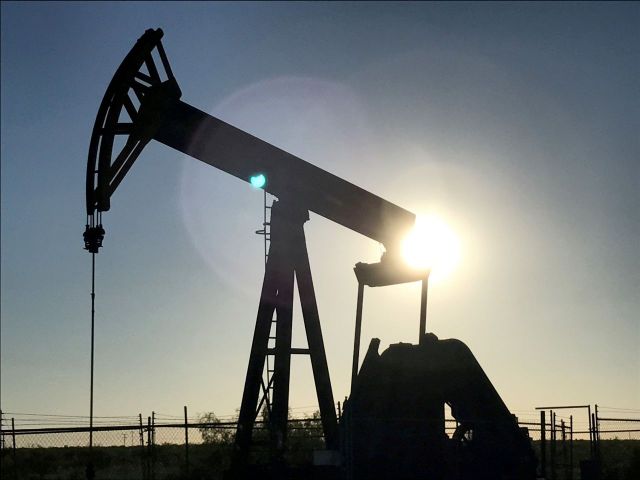
The chemical and energy industries, facing a fire under their feet due to skyrocketing raw material prices, are on high alert. With no raw materials, including international crude oil and key materials for electric vehicle batteries, escaping price hikes, companies are desperately focusing on cost reduction. On the previous day (local time), the June West Texas Intermediate (WTI) crude oil futures closed at $108.26 per barrel on the New York Mercantile Exchange, up 42.3% compared to the first trading day of the new year. According to the Korea Resource Information Service, nickel, a raw material for electric vehicle batteries, surged to $32,000 per ton for the 3-month futures contract on the London Metal Exchange (LME), rising 46.5% since the beginning of the year. During the same period, aluminum rose 4.4%, lithium 61.6%, cobalt 16.4%, and manganese 9.2%.
The manufacturing sector is putting its life on supply chain management, which is directly linked to cost reduction. So-called 'heavy and chemical' industries such as energy, refining, and shipbuilding are busy assessing soaring energy prices and supply chain disruptions. Domestic refiners, who purchase crude oil from the Middle East and other regions and find it difficult to control crude oil premiums or complex refining margins independently, are implementing various practical responses. A representative from a refining company said, "We are expanding price monitoring related to petroleum products and reviewing various measures such as economically viable crude oil procurement and adjusting product yields by increasing production of diesel and kerosene."
The steel industry is also focusing on managing iron ore prices, which constitute a large portion of manufacturing costs. However, since many raw materials are usually procured through long-term contracts, they benefit from hedging effects and have been steadily investing in mines and securing raw materials regardless of the current war situation.
The completed vehicle industry is also in an ultra-emergency situation. Hyundai Motor Company has established a dedicated department to respond to rising raw material prices and is conducting continuous monitoring. Seo Kanghyun, head of Hyundai Motor's Planning and Finance Division, said, "We are closely watching whether there will be additional price increases due to concerns over raw material supply related to the Russia-Ukraine situation." He added, "We have established and are operating a dedicated organization for strategic management of key raw materials and have built and applied a system that automatically calculates profit and loss impacts based on raw material market fluctuations."
The electronics industry is facing a similar situation. LG Electronics expects raw material price increases to continue into the second quarter, burdening profitability, and is seeking alternatives by switching from previously used materials to cost-reducing materials for product manufacturing.
Some companies are taking drastic measures such as cutting executive salaries. Korea & Company, the holding company of Hankook Tire & Technology, has been reducing salaries of about 100 executives across all affiliates by 20% since last month. A business community official said, "The key is to respond quickly to the global crisis to resolve uncertainties," adding, "It is also important to thoroughly review all management issues to secure financial soundness."
© The Asia Business Daily(www.asiae.co.kr). All rights reserved.