[Seoul District News] Jungnang-gu operates 21 emergency transport vehicles on 6 temporary routes at 20-40 minute intervals on the 26th in preparation for the city bus strike... Gangdong-gu runs 5 temporary shuttle bus routes every 10 minutes for free from 5 AM on the 26th... Seongdong-gu operates 39 free shuttle buses on 5 subway-linked routes, increases 11 village bus services with standby vehicles and extended hours... Yongsan-gu extends operation of 6 cultural shuttle bus routes passing through 9 subway stations... Yangcheon-gu emergency transport vehicles on 6 temporary routes
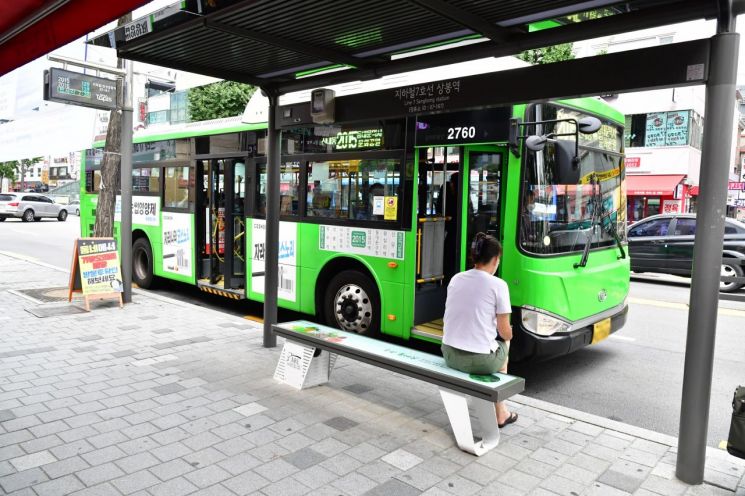
[Asia Economy Reporter Park Jong-il] Jungnang-gu has established an emergency transportation countermeasures headquarters and prepared emergency measures in anticipation of the city bus general strike scheduled for the 26th.
The district first formed the Emergency Transportation Countermeasures Headquarters (Head: Acting Mayor of Jungnang-gu Kim Tae-hee) to promote the deployment of alternative transportation means and selected six temporary routes circulating subway stations within the area.
On the day of the strike, from 6 a.m., 21 charter buses will be deployed on the temporary routes to operate free shuttle buses at intervals of 20 to 40 minutes, with concentrated dispatch during commuting hours.
Each free shuttle bus will have one public official assigned to provide on-site guidance on boarding and routes.
The six temporary routes will pass through eight local subway stations (Jungnang Station, Bonghwasan Station, Meokgol Station, Junghwa Station, Sangbong Station, Myeonmok Station, Sagajeong Station, Yongmasan Station) to transport residents. Detailed operation routes can be checked on the Jungnang-gu Office website.
An official from the district said, “Since congestion of emergency transport vehicles is inevitable on the day, we ask residents to walk for short distances and prioritize using alternative transportation such as taxis or private cars.”
The Seoul City Bus Labor Union held a strike approval vote on the 19th, passed the strike plan, and decided to launch a general strike from the first bus on the 26th if no agreement is reached by the 25th.
Gangdong-gu (Mayor Lee Jeong-hoon) announced that it has prepared measures such as free operation of emergency transport buses (shuttle buses) to reduce inconvenience to local residents amid the Seoul City Bus Labor Union’s strike announcement on the 26th.
The district has established an emergency transportation plan, formed an emergency transportation countermeasures headquarters, and is operating a situation room to proactively respond to the anticipated Seoul city bus strike.
In case of a city bus strike, the district plans to focus on linking emergency transport buses with subway stations to reduce transportation inconvenience for residents.
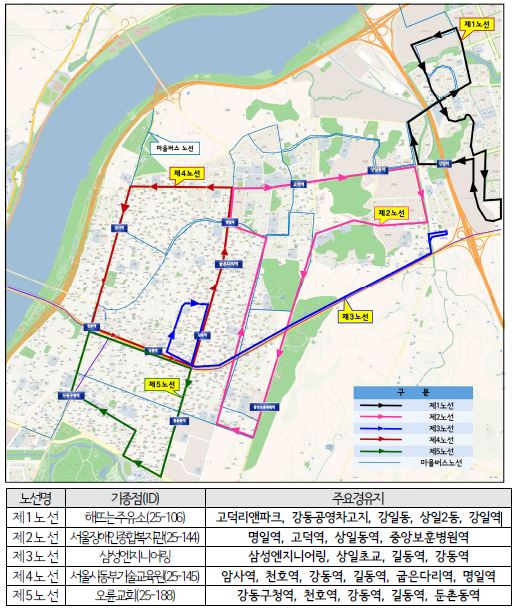
Accordingly, a total of 35 emergency transport buses (with 25 seats or more) will operate on five temporary routes at 10-minute intervals.
Among the five temporary routes, the main routes include: Route 1 passing through Godeok L&Park, Gangdong Public Garage, Gangdong Riverst, Gangil River Park, and Gangil Station; Route 2 passing through Myeongil Station, Godeok Station, Sangil-dong Station, and Central Veterans Hospital Station; Route 3 passing through Sangil Elementary School, Gildong Station, Gangdong Station, and Samsung Engineering; Route 4 passing through Amsa Station, Cheonho Station, Gangdong Station, Gildong Station, Gubeundari Station, and Myeongil Station; Route 5 passing through Gangdong-gu Office Station, Cheonho Station, Gangdong Station, Gildong Station, and Dunchon-dong Station.
Additionally, the district plans to assign one public official per bus to manage route guidance and dispatch to ensure smooth operation of the emergency transport routes.
Details such as operation routes of the emergency transport lines are posted on the Gangdong-gu Office website and at each bus stop to guide residents and minimize inconvenience.
Lee Jeong-hoon, Mayor of Gangdong-gu, said, “We have prepared emergency transportation measures linking areas vulnerable to public transportation and subway stations due to the city bus strike. The district will mobilize all administrative power to minimize inconvenience to residents caused by the strike.”
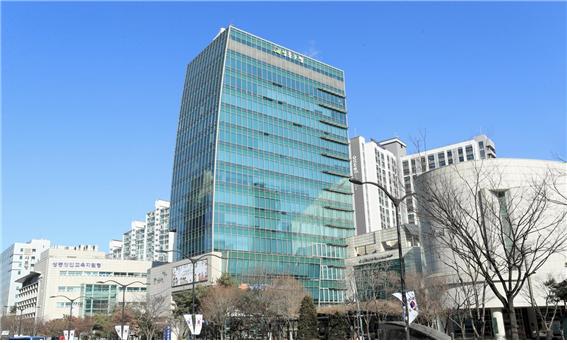
Seongdong-gu (Mayor Jung Won-oh) has formed an emergency transportation countermeasures headquarters and established measures to minimize inconvenience to residents in preparation for the bus strike, to be implemented immediately if the Seoul City Bus Labor Union actually strikes on the 26th.
Currently, 60 village buses operate on 13 village bus routes, and compared to other districts, Seongdong-gu has more village bus routes and operating areas. The district plans to reduce dispatch intervals and increase frequency on village bus routes passing through areas affected by the city bus strike to increase transportation capacity.
For Seongsu-dong and Sageun-dong, where village bus routes are few and reliance on branch buses is high, three temporary routes have been prepared. The district will deploy official vehicles (3 buses, 6 vans) and charter buses (up to 30 per day) starting from 5 a.m. on the strike day. Shuttle buses running to nearby subway stations will be concentrated at about 10-minute intervals during commuting hours to minimize inconvenience to office workers, with dedicated staff on board to ensure safe operation.
In addition, the district plans to open additional temporary routes in areas such as Geumho, Oksu, and Majang by monitoring village bus emergency transport situations. Utilizing the 'Seongdong-type Smart Shelter' kiosk, a futuristic bus stop operated only in Seongdong-gu, real-time traffic and temporary shuttle bus operation information will be broadcast. The district will also promote information through its website, SNS, electronic administrative services, and announcements in apartment complexes to maximize resident awareness.
Jung Won-oh, Mayor of Seongdong-gu, stated, “We will prioritize deploying free shuttle buses in areas not served by village bus routes, support convenient transfers to nearby subways as much as possible, and operate village buses at maximum frequency to minimize confusion and inconvenience caused by the strike.”
Route 1: Seongdonggyo Intersection ? Seongdong Tax Office ? Hwayang Intersection ? Seongsu Intersection ? Seongsu Station ? Ttukseom Station ? Ttukseom Station Intersection ? Seongdonggyo Intersection
Route 2: Yeongdong Bridge North End ? Ttukdo Arisu Water Purification Center ? Ttukseom-ro Intersection ? Gyeongdong Elementary School ? Gyeongil Elementary School ? In front of Seongsu-dong E-Mart ? Seongsu Station ? Yeongdong Bridge North End
Route 3: Wangsimni Station ? In front of Hanyang University ? Hanyang Market ? Sageun Hill ? Sageun-dong Community Center ? Sageun-dong Byeoksan Apartment ? Hanyang Women’s University ? Haengdang Middle School (turnaround)
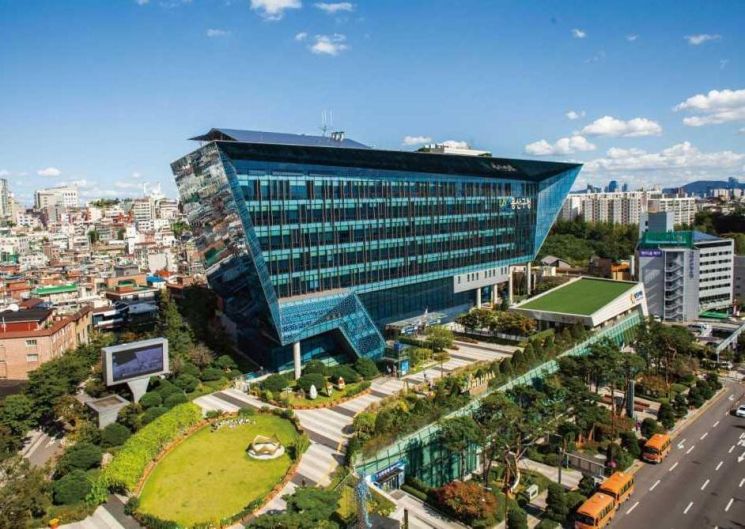
Yongsan-gu (Mayor Seong Jang-hyun) has established an emergency transportation countermeasures headquarters on the 26th in preparation for the city bus general strike to minimize inconvenience to residents.
The district first formed the Emergency Transportation Countermeasures Headquarters (Head: Deputy Mayor) on the 25th to promote the deployment of alternative transportation means.
The headquarters arranged for the extension of operation of the Yongsan-gu cultural facility shuttle buses, which are operated under consignment by the Yongsan-gu Facilities Management Corporation, in case the strike begins.
The subway stations served by six routes include a total of nine stations: Samgakji Station, Sookdaeipgu Station, Namyeong Station, Itaewon Station, Hannam Station, Seobinggo Station, Hyochang Park Station, Sinyongsan Station, and Noksapyeong Station, where residents will be transported in emergency situations. Detailed operation routes can be checked on the Yongsan-gu Office website.
An official from the district said, “Currently, at least one bus with 25 seats or more is being urgently prepared for each dong (neighborhood). In preparation for a prolonged strike, a carpool operation reception desk will also be set up at the dong community centers.”
The Seoul City Bus Labor Union held a strike approval vote on the 19th, passed the strike plan, and decided to launch a general strike from the first bus on the 26th if no agreement is reached by the 25th.
Seong Jang-hyun, Mayor of Yongsan-gu, said, “Since congestion of emergency transport vehicles is inevitable on the day, we ask residents to walk for short distances and prioritize using alternative transportation such as taxis, village buses, and shuttle buses.”
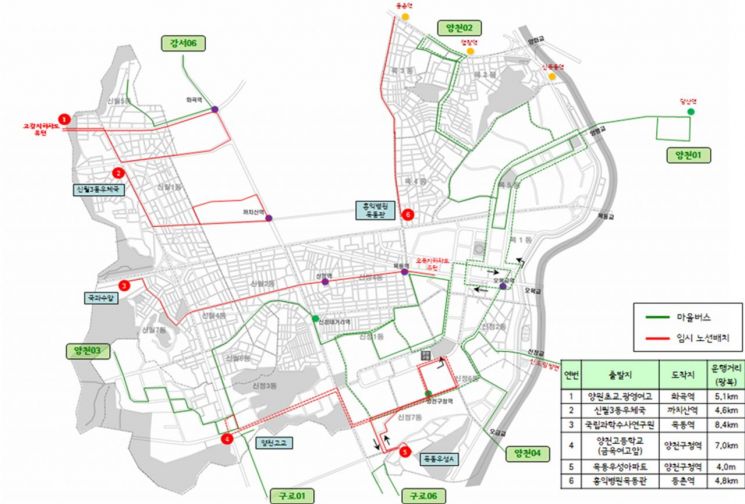
Yangcheon-gu (Mayor Kim Soo-young) announced that it has prepared emergency measures such as free operation of emergency transport vehicles (shuttle buses) to minimize inconvenience to residents amid the Seoul City Bus Labor Union’s strike announcement starting on the 26th.
On the 26th, from 6 a.m. to 11 p.m., the district will operate 29 emergency transport vehicles along six temporary routes within the area, running at 15-minute intervals during commuting hours and 30-minute intervals at other times.
Main temporary routes include: from Yangwon Elementary School to Hwagok Station; from Sinwol 3-dong Post Office to Kkachisan Station; from National Forensic Service to Mokdong Station; from Yangcheon High School to Yangcheon-gu Office Station; from Mokdong Woosung Apartment to Yangcheon-gu Office Station; and from Hongik Hospital Mokdong Branch to Deungchon Station.
Additionally, the district has established an emergency transportation countermeasures headquarters and is operating a situation room to proactively respond to the Seoul city bus strike. A field support team has been formed, assigning two public officials per transport bus to assist boarding and alighting and provide route guidance on-site.
To minimize resident confusion, notices containing detailed information on emergency transport vehicle routes and operation times are posted at each bus stop, and related information is actively promoted through the district office website and SNS.
An official from the district office said, “In response to the anticipated city bus strike, emergency transport vehicles will be prioritized in areas vulnerable to public transportation, supporting convenient transfers to nearby subway stations. Yangcheon-gu will concentrate administrative efforts to minimize inconvenience to residents related to the bus strike.”
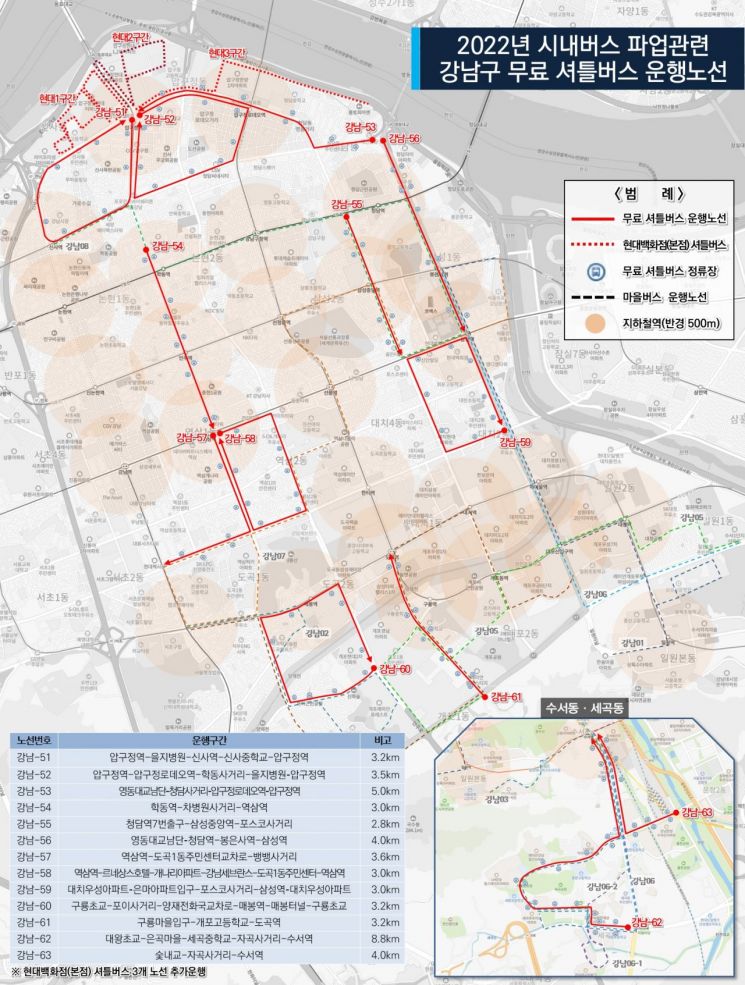
Gangnam-gu (Mayor Jung Soon-gyun) will implement emergency measures such as free operation of emergency transport vehicles (shuttle buses) to minimize inconvenience to local residents in case city bus operations are suspended due to the strike.
The district will operate 21 emergency transport vehicles (25 to 45 seats), including 3 district office vehicles, 5 department store vehicles, and 13 charter buses, on 16 temporary routes within the area from 6 a.m. on the 26th at intervals of 15 to 30 minutes. Emergency transport vehicles can be boarded at existing bus stops along the 13 temporary route sections, and three shuttle bus routes operated from Hyundai Department Store Main Branch will also be additionally deployed for general citizens during commuting hours (7 to 9 a.m.).
Six subway lines (35 stations) and 10 village bus routes operating normally in the area will extend their last train times by one hour and shorten dispatch intervals during commuting hours.
The district plans to monitor the situation in real time and deploy additional official vehicles where extra dispatch is needed. A field support team will be formed to assign one public official per emergency transport vehicle to provide passenger guidance and ensure safety management.
Jung Soon-gyun, Mayor of Gangnam-gu, said, “We plan to deploy shuttle buses in areas where subways and village buses do not operate to minimize inconvenience caused by the strike. We ask for cooperation in observing traffic order, such as carpooling.”
© The Asia Business Daily(www.asiae.co.kr). All rights reserved.
![Clutching a Stolen Dior Bag, Saying "I Hate Being Poor but Real"... The Grotesque Con of a "Human Knockoff" [Slate]](https://cwcontent.asiae.co.kr/asiaresize/183/2026021902243444107_1771435474.jpg)

















