[Seoul District News] Seongdong-gu Launches Various Policies for Young Single-Person Households Including Moving Vehicle Support, Move-in Cleaning, Home Training, Healthy Cooking, and Financial Management... Dobong-gu Recruiting Young Entrepreneurs for Startup Hub Space Until April 27... Yongsan-gu Our Neighborhood Care Team Manages 2,159 Middle-Aged Single-Person Households with 42 Members... Guro-gu Provides Safety Home Sets for Single-Person Households... Dongjak-gu Implements ‘Youth Monthly Rent Temporary Special Support’ Project Offering Up to 200,000 KRW Monthly Rent Support for 12 Months... Yangcheon-gu’s ‘Youth Employment Do Dream!’

[Asia Economy Reporter Park Jong-il] As of March this year, Seongdong-gu has 58,352 single-person households (43.37% of the total). Seongdong-gu (Mayor Jung Won-oh) is expected to become a better place for single-person households to live.
Seongdong-gu has discovered demand-centered customized specialized projects through the ‘2022 Single-Person Household Support Project Contest’ and selected a total of 20 projects through strict screening. From mid this month, it will sequentially implement ‘life-customized projects’ covering all ages from youth to elderly.
For young single-person households, in addition to the existing moving vehicle support service, move-in cleaning and home appliance cleaning services will also be provided, and home repairs are planned. Life-close education such as Pilates and small group PT activities, self-defense techniques, home training, circuit training through experts, and hiking clubs will be supported. Various programs for health will be prepared, including cooking with healthy ingredients and offline one-day cooking classes.
Barista training and cafe startup, acquiring a lifestyle sports instructor certificate, mentoring by business experts will also be conducted, supporting independence through small business government support projects and ‘Peer CEO Close Mentoring,’ and financial technology and economic education will be provided for social beginners.
Additionally, monthly cultural gatherings such as single-person household daily necessities and hobby making, local exploration, and performance viewing will be promoted. Face-to-face small group meetings for social network formation such as outings and gardening activities, as well as non-face-to-face relationship formation programs using the ‘Gather Town’ platform, will be extensively conducted.
For middle-aged single-person households, health and sharing activities will be promoted. Programs for menopausal health management through home training education, seasonal crop cultivation using kit seedlings, and cooking by themselves will be prepared. Furthermore, sharing activities for the underprivileged will be conducted targeting single-person households living in goshiwon (small room accommodations), and for elderly living alone, programs using ZOOM such as dance to requested songs and stories, and creating and achieving bucket lists that could not be done alone but can be done with others will be promoted.
This project, selected with full interest and response from local social welfare facilities and non-profit organizations such as social cooperatives, consists of various programs for single-person households from youth to elderly. In particular, ‘Youth, Prologue,’ a youth single-person household community formation project by Oksoo Comprehensive Social Welfare Center, supports social relationship formation and independence for protection-terminated children and unemployed young singles, promotes hobby and social participation programs, focusing on overcoming social isolation and emphasizing emotional bonds and communication.
The district, which is about to open the ‘Single-Person Household Support Center’ with community space, shared kitchen, and various program rooms in the first half of the year, especially reflects the rapidly increasing demands of single-person households as the 2030 generation youth, called the ‘MZ generation,’ account for the largest proportion among single-person households in the region. Through this contest project, it plans to promote more practical life-close administrative services.
Jung Won-oh, Mayor of Seongdong-gu, said, “As the importance of customized policies to improve the quality of life for single-person households is increasingly emphasized, I hope this contest project will be a good opportunity for residents to experience and share various programs together,” and added, “We ask for much interest and participation so that the good intentions of the selected projects can be carried out without any setbacks.”
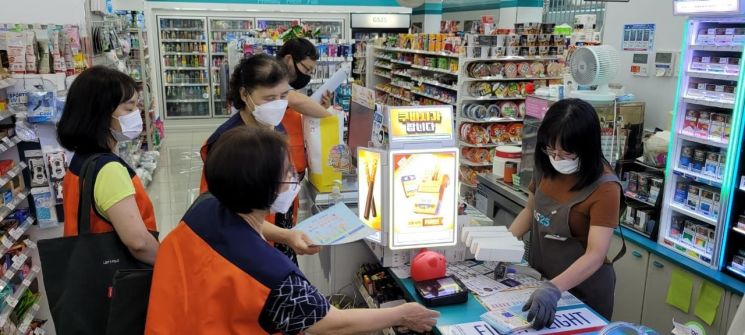
Yongsan-gu (Mayor Seong Chang-hyun) has started expanding the operation of the ‘Our Neighborhood Care Group’ from April 2022 to build a dense local welfare safety net.
‘Our Neighborhood Care Group’ is a project where residents who know the area well and live close to neighbors in need regularly check on vulnerable households in welfare blind spots and connect them to necessary social welfare services.
Especially from this year, the district has significantly increased the number of active members to a total of 42 (15 in 2021) and selected a total of 2,159 essential management households based on the survey results of middle-aged single-person households.
In March, the district formed the care group mainly with residents aged 40 to 67 living in Yongsan-gu who have experience in Our Neighborhood Care Group, welfare community activities, and local volunteering.
The selected care group members receive ▲basic literacy education ▲job training ▲counseling techniques ▲visit safety education ▲field training together.
Under the supervision of the local office, monthly regular meetings are held to report activities and share cases. When necessary, public social services such as social security, emergency welfare, and Care SOS are linked, as well as various welfare services encompassing public and private sectors such as hope matching, food banks, and sharing stores.
A district official said, “The care group will check on the well-being of recipients once or twice a week through phone calls and home visits,” adding, “We will inform the target households in detail about the purpose of the project to ensure smooth monitoring.”
After the expiration of Our Neighborhood Care Group activities, it will be linked to honorary social welfare officers, local community security councils, etc., to promote voluntary resident-led gatherings.
Seong Chang-hyun, Mayor of Yongsan-gu, said, “Despite various efforts to discover welfare blind spots, unfortunate incidents still occur occasionally,” and added, “We will continuously strengthen the social safety net to ensure no residents are left behind.”
The district piloted Our Neighborhood Care Group in four neighborhoods from March 2021 to discover welfare blind spots. The results over 10 months include 615 household visits, 7,429 phone consultations, 348 public service linkages, and 1,514 private service linkages.
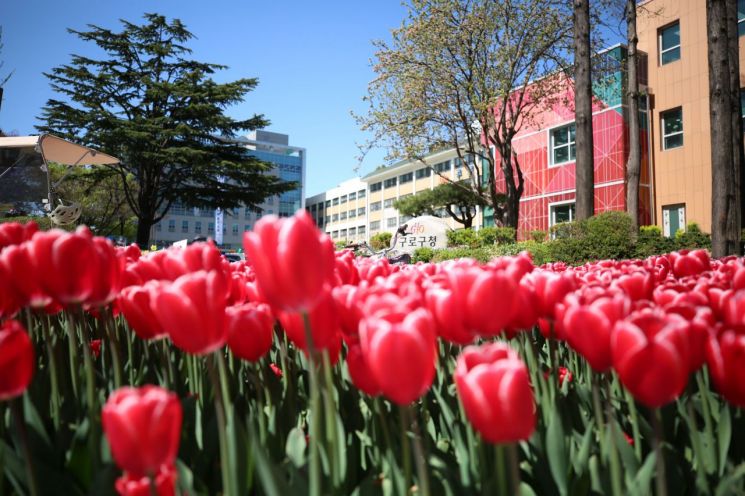
Guro-gu (Mayor Lee Sung) will provide Safety Home Sets to single-person households.
Guro-gu announced on the 20th, “To prevent crimes such as residential intrusion and violence, we will support safety equipment for low-income female single-person households in cooperation with Guro Comprehensive Social Welfare Center.”
The support targets 30 single-person households with monthly rent deposit (converted jeonse value) under 200 million KRW or single-parent, unmarried father/mother, and other safety-vulnerable groups. Apartment or owner-occupied residents are excluded.
The support items include a Safety Home 4-piece set: ▲double lock for the front door that prevents it from fully opening ▲portable emergency bell that sends automatic text messages to acquaintances and 112 with an alarm sound when pulled in an emergency ▲home CCTV that detects movement and notifies via smartphone ▲window lock that blocks opening from outside.
Applications can be submitted by email or mail with required documents through the district office website or Guro Comprehensive Social Welfare Center website. For details, contact the district’s Women’s Policy Division or Guro Comprehensive Social Welfare Center.
Meanwhile, for stalking or dating violence victims designated through cooperation with Guro Police Station, a safety auxiliary 3-piece set including ▲smart doorbell that allows real-time monitoring of the front door via mobile phone before and after returning home ▲home CCTV to check home status when going out will be provided.
Guro-gu said, “We hope to alleviate the anxiety of vulnerable groups by providing items that enhance security in daily living spaces,” and added, “We will strive to create a safer residential environment.”
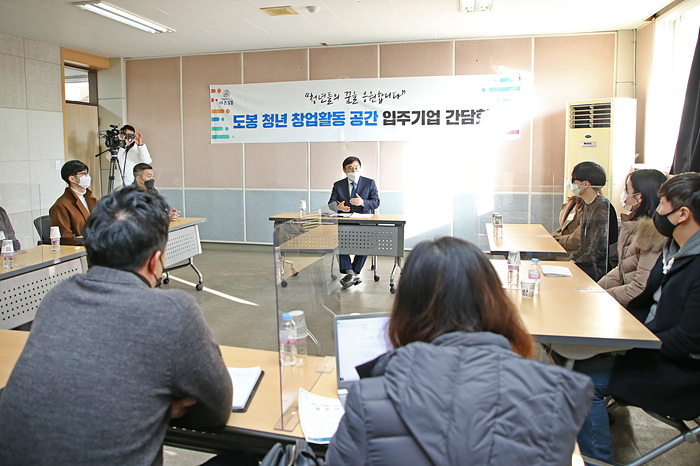
Dobong-gu (Mayor Lee Dong-jin) is recruiting new young entrepreneurs at the Young Entrepreneur Activity Hub (Dobong-ro 666, 3rd floor of the former Dobong Fire Station building).
Eligibility for residency is young people aged 19 to 39 who reside in Dobong-gu or are students (including those on leave) at schools located in Dobong-gu, and who have been entrepreneurs for more than 3 years but less than 5 years.
The application period is until April 27. Applicants can download the application form from the Dobong-gu website notice board, fill it out, and submit it via email to the person in charge.
The district will select 10 final resident companies and 2 preliminary resident companies through document and interview screening based on originality of ideas, business execution plans, and specific development plans. The results will be announced on the Dobong-gu website in May.
Resident companies will receive ▲one-year free rental of space (with one possible extension after evaluation) ▲office furniture and partial public operation expenses support ▲benefits such as startup education, customized consulting, and mentoring.
The Young Entrepreneur Activity Hub was created by utilizing the vacant space after the Dobong Fire Station moved to Eunpyeong-gu. With a total floor area of 659.6㎡, it includes 10 startup office rooms for young people, an education room, and a shared conference room. Since November 2020, 9 companies have been residing after public recruitment of young entrepreneurs.
Lee Dong-jin, Mayor of Dobong-gu, said, “The Young Entrepreneur Activity Hub will be an opportunity for growing young entrepreneurs to nurture their startup dreams and grow their companies. The district will spare no effort to support young entrepreneurs with diverse and innovative ideas to grow stably and become independent through networking among residents.”
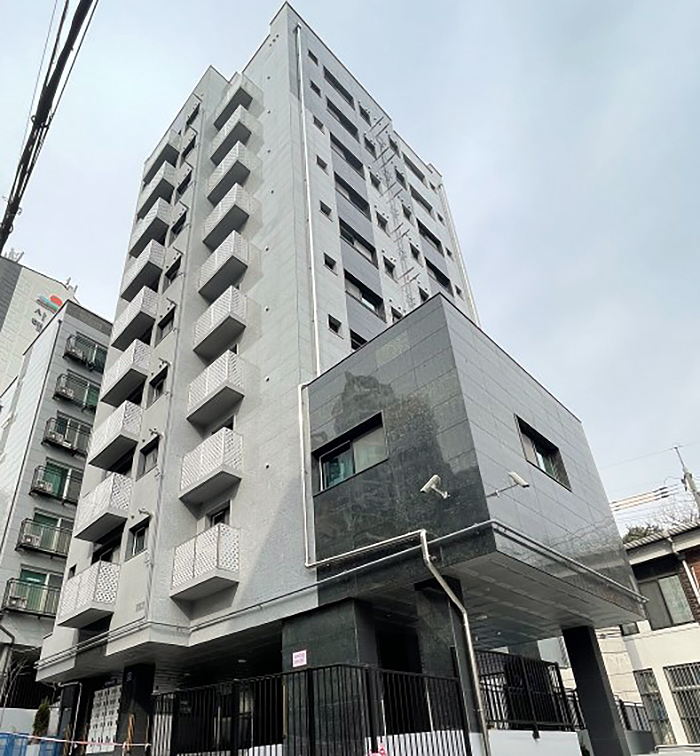
Dongjak-gu (Mayor Lee Chang-woo) is promoting the ‘Youth Monthly Rent Temporary Special Support’ project, which provides up to 200,000 KRW per month for 12 months to reduce the housing cost burden of young households suffering economic difficulties due to the prolonged COVID-19 pandemic.
This is in consideration of the worsening economic and employment situation of youth since the spread of COVID-19 and the continuous increase in the number of young single-person households, which increases housing cost burdens.
The support targets young people aged 19 to 34 who live separately from their parents and reside in rental housing in Dongjak-gu with a deposit of 50 million KRW and monthly rent of 600,000 KRW or less. Those living in jeonse or public rental housing are excluded.
Income criteria require the original household income to be at or below 100% of the median income, and the young independent household income to be at or below 60% of the median income. Asset criteria are 380 million KRW or less for the original household and 107 million KRW or less for the young independent household.
It is estimated that 1,203 young people in the area will receive up to 200,000 KRW per month for one year (once in a lifetime).
Applicants can apply through the Bokjiro website or visit the local community service center. The application period is from the 25th for one year.
For other details regarding the Youth Monthly Rent Temporary Special Support, contact the Social Welfare Division.
Choi Ho-gyu, head of the Social Welfare Division, said, “This support project is introduced for the first time to reduce the housing cost burden of young people without housing,” and added, “We will continue to prepare support measures so that young people can settle stably and live comfortably in Dongjak-gu.”
Meanwhile, the district is recruiting participants for the ‘Village-Type Shared Office Utilizing Local Bookstores’ to support young people interested in startups until the 22nd.
Selected teams will receive ▲up to 3.5 million KRW per team for capacity development support such as information activities, promotion, and portfolio production ▲meeting space and office equipment rental ▲dedicated mentor matching and education for capacity development and project activities ▲education programs according to employment and startup preparation stages.
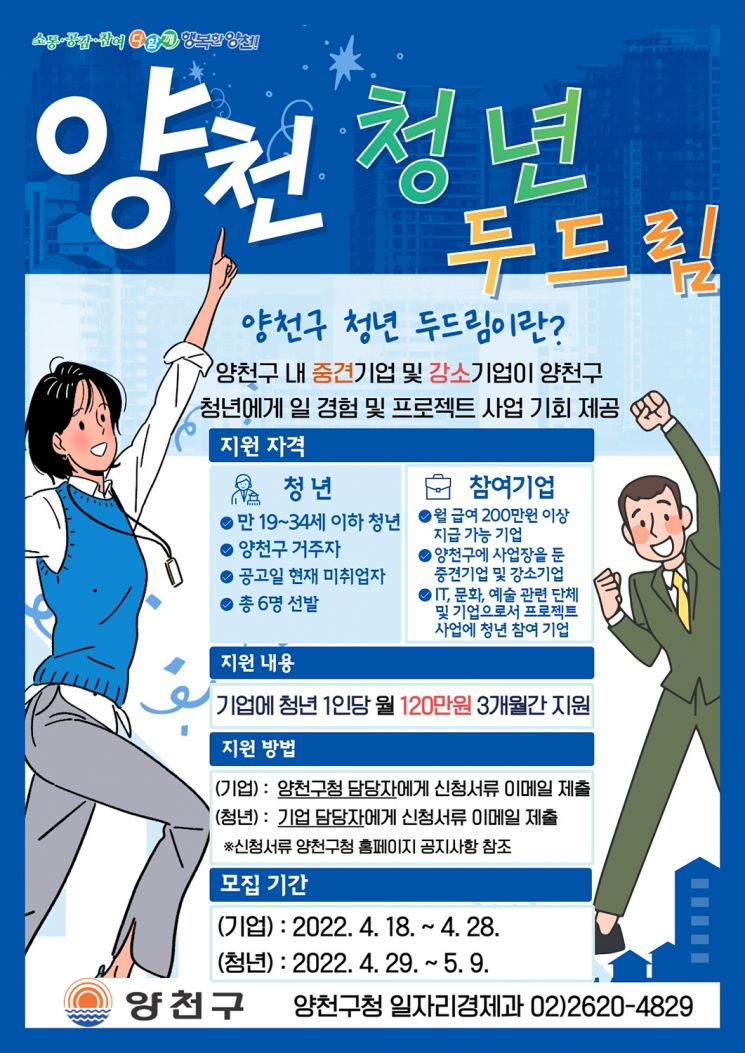
Yangcheon-gu (Mayor Kim Soo-young) is recruiting companies and youth to participate in the ‘Youth Employment Do Dream’ project, which provides employment opportunities for youth and alleviates the financial burden on companies.
Recently, the job market has emphasized practical skills that can be immediately applied to work. Accordingly, the district planned the ‘Youth Employment Do Dream’ project to provide youth with workplaces where they can experience jobs for three months and offer financial support and opportunities to secure excellent talent to participating companies. Through this, it aims to brand a Yangcheon-type job creation project that increases satisfaction for both companies and youth.
The recruitment period for participating companies is until the 28th, and the support target is medium-sized and small strong companies with business locations in Yangcheon-gu. Participating companies will provide local youth with three months of work experience and project opportunities.
The district supports participating companies hiring unemployed youth with 60% of the youth intern’s salary, up to 3.6 million KRW for three months (up to 1.2 million KRW per month). Especially, if youth participate in projects conducted by IT, culture, and arts-related organizations and companies, support is extended to six months.
Companies wishing to participate in the Youth Employment Do Dream project can refer to the notice on the district office website and submit application documents via email to the Youth Policy Team.
Additionally, the district is recruiting youth interns to participate in the ‘Youth Employment Do Dream’ project. The recruitment period is from April 29 to May 9. Eligibility for youth interns is unemployed residents of Yangcheon-gu aged 19 to 34 as of the announcement date (April 15). After interviews with participating companies, a total of six will be selected in the first half of the year. Selected youth interns will start working from May 16.
Youth intern applicants should refer to the list of participating companies posted later on the district office website and submit applications and required documents to the HR manager’s email of the desired company.
For more details about Youth Employment Do Dream, contact the Job Economy Division.
An official from the Job Economy Division said, “The Youth Employment Do Dream project is a triple-win opportunity providing job experience, talent discovery, and wage support, so we hope many interested companies and local youth participate,” adding, “We will continue to strive to find breakthroughs for youth employment difficulties through various employment support programs.”
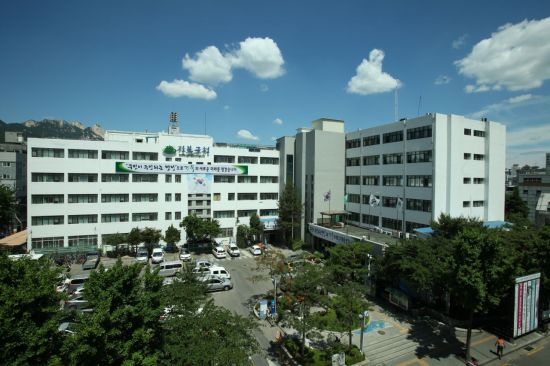
Gangbuk-gu (Mayor Park Kyum-soo) is implementing the ‘Standing Table Replacement Support Project’ and the ‘Zero Leftover Side Dish Project’ that supports side dish refrigerators to create a pleasant food culture environment.
The target for standing table replacement support is general restaurants in Gangbuk-gu with annual sales under 100 million KRW that have floor seating tables. However, restaurants that have received administrative sanctions under the Food Sanitation Act within one year as of the 7th, or general restaurants in the form of pubs or bars, are excluded. Also, applicants must have been in business for more than six months from the business registration date or status succession date, and must replace at least two standing tables (8 seats).
The support amount is 50% of the replacement cost, with up to 1 million KRW per business supported by the district.
The target for the ‘Zero Leftover Side Dish Project’ side dish refrigerator support is food service businesses in Gangbuk-gu that provide basic side dishes.
The district plans to support the purchase cost of side dish refrigerators up to 500,000 KRW per business. However, businesses receiving support must operate a self-service corner for basic side dishes using the side dish refrigerator for at least one year, and those unable to operate the self-service corner are excluded.
Selected businesses must purchase the side dish refrigerator after receiving the support selection notice; refrigerators purchased before the notice are excluded.
Businesses wishing to participate can apply to the Health and Hygiene Division on the 4th floor of Gangbuk-gu Health Center by the 29th. Application forms and required documents can be found on the Gangbuk-gu website under news.
For details, contact the Food Sanitation Team of the Health and Hygiene Division in Gangbuk-gu.
Park Kyum-soo, Mayor of Gangbuk-gu, said, “Through this project, we hope residents enjoy a cleaner and safer food culture,” and added, “We also ask residents to participate in the leftover reduction campaign to help reduce carbon dioxide emissions from food waste.”
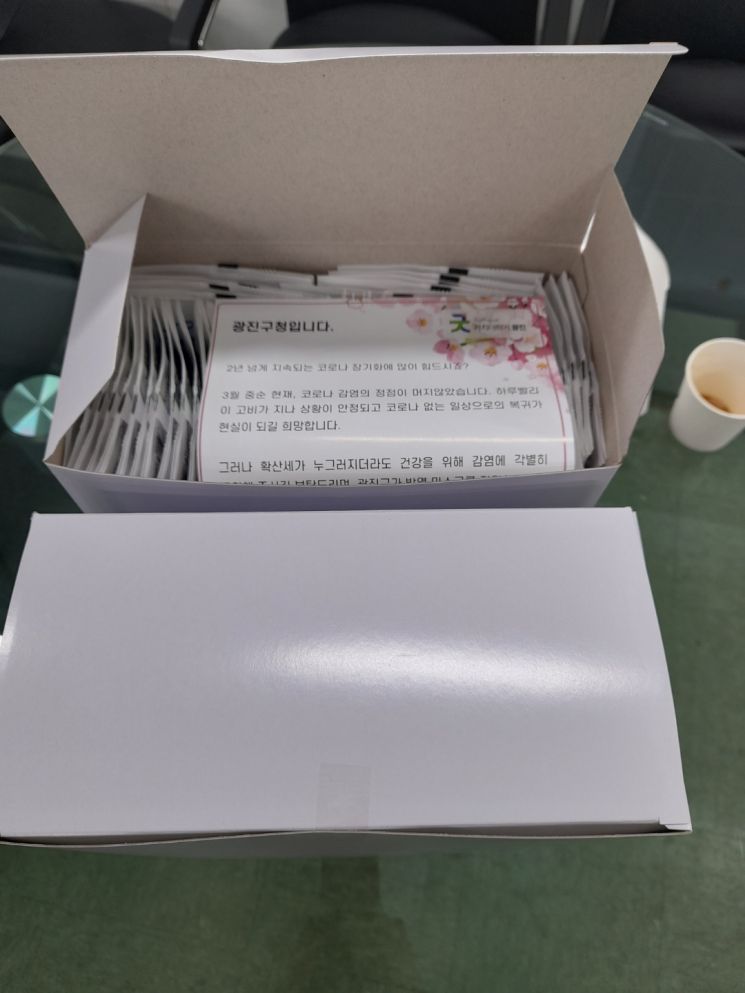
Gwangjin-gu is providing masks to vulnerable groups in the region from April to prevent the spread of COVID-19.
This mask support is part of Seoul City’s ‘2022 Low-Income Disaster Response Mask Support Project,’ designed to alleviate the mask purchase cost burden for low-income groups due to the prolonged COVID-19 situation.
The support targets 17,317 basic livelihood security recipients and near-poverty groups, distributing 60 KF94 masks per person.
Recipients can collect masks by visiting their local community service center, and for residents with mobility difficulties, welfare planners and neighborhood officers will deliver masks directly.
In 2020, the district supported 25,195 low-income vulnerable people with 689,750 masks, and in 2021, 15,800 people received 1.1 million masks.
Additionally, the Gwangjin Welfare Foundation provides special living expenses of 300,000 KRW to local low-income crisis households struggling due to COVID-19.
The target is 324 households residing in Gwangjin-gu with median income below 120% who have not received COVID-19 related support within the past year.
Um Eui-sik, Acting Mayor of Gwangjin-gu, said, “Considering the prolonged COVID-19 situation, we are actively distributing masks to alleviate the purchase cost burden for vulnerable groups,” and added, “We also provide special living expenses to find blind spots that have not received COVID-19 related support.”
© The Asia Business Daily(www.asiae.co.kr). All rights reserved.
![Clutching a Stolen Dior Bag, Saying "I Hate Being Poor but Real"... The Grotesque Con of a "Human Knockoff" [Slate]](https://cwcontent.asiae.co.kr/asiaresize/183/2026021902243444107_1771435474.jpg)


















