When Foraging Wild Herbs, Accompany Experienced People... Must Distinguish Poisonous Plants with Similar Appearance
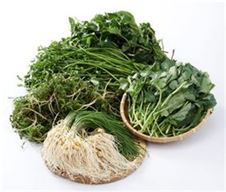
[Asia Economy Reporter Kim Young-won] As the cold winter passes and spring arrives, spring wild greens harvested from nature are appearing on tables. Spring wild greens are loved for their unique aroma and nutrients, but for health reasons, it is important to know the proper harvesting and cooking methods.
First, among spring wild greens, mountain greens can become more toxic as they grow, so it is best to harvest young shoots. It is advisable not to harvest wild greens growing in urban areas or riverbanks, as they may be highly contaminated with pesticides and heavy metals. Also, when harvesting greens, always go with someone experienced and knowledgeable about the plants, as poisonous plants that can be mistaken for spring wild greens are commonly found in the wild.
Cooking methods for spring wild greens are divided into raw and cooked types. Raw greens such as wild chives (dallae) and sow thistle (sseumbagwi) should be soaked in water and washed at least three times under running water before cooking. Considering the risk of food poisoning, it is also recommended to wear disposable gloves while preparing them. Cooked greens like shepherd’s purse (naengi), bracken fern (gosari), and daylily (wonchuri) contain unique toxic substances and must be cooked before eating. Boiling them in hot water removes the toxins.
Daylily (wonchuri) requires special caution during harvesting and cooking. It contains a substance called 'colchicine,' which can cause food poisoning if eaten raw. This substance increases as the daylily grows, so it should only be consumed in its young shoot stage during March and April. Additionally, daylily is often confused with the poisonous plant 'yeoro.' Yeoro and daylily can be distinguished by their hairs and wrinkles: yeoro has many hairs and deep wrinkles on its leaves, whereas daylily has neither.
Furthermore, wild garlic (myeonginamul), gomchwi, and umbrella greens (usannamul) resemble poisonous plants such as baksae, donguinamul, and satgatnamul, respectively, so caution is necessary.
If poisonous plants are ingested by mistake, symptoms such as diarrhea, abdominal pain, dizziness, and difficulty breathing may occur. If symptoms appear, immediately induce vomiting, drink hot water, and go to the nearest hospital for treatment. It is helpful to bring the ingested poisonous plant to the hospital.
© The Asia Business Daily(www.asiae.co.kr). All rights reserved.
















