Korea Research Institute of Bioscience and Biotechnology, Gut Microbiome Study Results
Stronger Effects of Akkermansia, a Beneficial Gut Bacterium in Koreans, Confirmed for Preventing Obesity and Adult Diseases
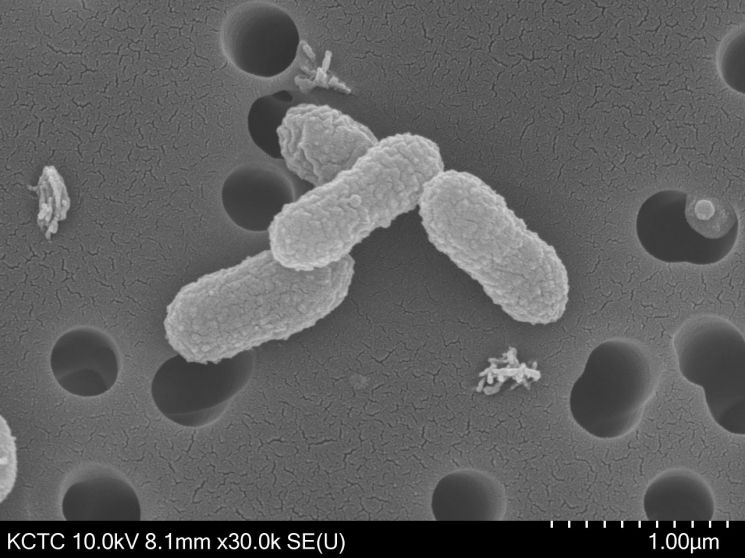
[Asia Economy Reporter Kim Bong-su] Although not well known within Korea, when abroad, it is evident that Koreans tend to have a relatively slim physique and lower rates of adult diseases such as diabetes and obesity compared to people from other countries. Until now, this was simply attributed to a diet rich in vegetables and fermented foods. However, domestic researchers have revealed that beneficial bacteria living in the intestines of healthy Koreans have a stronger preventive effect against adult diseases such as obesity, metabolic syndrome, and type 2 diabetes compared to those in foreigners.
The Korea Research Institute of Bioscience and Biotechnology announced on the 11th that Dr. Lee Jeong-sook’s team at the Biological Resources Center identified the characteristics and competitive advantages of the Akkermansia muciniphila (hereafter Akkermansia) strain through comparative genomic analysis of this intestinal microorganism strain against others.
It is expected that this research will be utilized in the future for developing next-generation probiotics tailored to Koreans and microbiome therapeutics. Akkermansia is a strain residing in the intestinal mucosa and is known to have positive effects on intestinal health as well as various metabolic disorders such as obesity, metabolic syndrome, type 2 diabetes, and treatments for lung and skin cancer patients. Due to this, it is gaining attention as a promising candidate for next-generation probiotics, with several domestic and international companies conducting research, development, and commercialization. However, although studies have reported that the therapeutic efficacy of Akkermansia strains varies depending on their origin, the reasons for this had not yet been reported.
The research team secured Akkermansia strains from the feces of healthy Koreans and conducted whole-genome sequencing comparative analysis with strains derived from overseas. The results showed that only the Akkermansia strains found in Koreans’ intestines possess a gene regulating the activity of an enzyme called sulfatase, which enhances the ability to break down the nutrient mucus (mucin) and provide its byproducts to surrounding beneficial bacteria. It was also confirmed that these strains have evolved to inhibit the growth of intestinal pathogens, allowing them to establish themselves in the gut and gain a competitive advantage over other intestinal microorganisms.
Dr. Lee Jeong-sook stated, “Although Akkermansia is spotlighted as a next-generation probiotic strain, its therapeutic efficacy varies by strain, and most research has been conducted on strains derived from overseas, which was regrettable. Based on the competitive advantage of Akkermansia strains isolated from Koreans, we expect this to be utilized in the development of next-generation probiotics tailored to Koreans and microbiome therapeutics.”
Meanwhile, this study was published online on the 9th of last month in the international academic journal on microbiomes, Gut Microbes (IF 10.245).
© The Asia Business Daily(www.asiae.co.kr). All rights reserved.
![Clutching a Stolen Dior Bag, Saying "I Hate Being Poor but Real"... The Grotesque Con of a "Human Knockoff" [Slate]](https://cwcontent.asiae.co.kr/asiaresize/183/2026021902243444107_1771435474.jpg)















