[Asia Economy Reporter Kim Hyunjung] Following Russia's invasion of Ukraine, international oil prices have surged, leading the state of Alaska in the United States to experience a 'financial windfall.'
On the 27th (local time), The Wall Street Journal (WSJ) reported, "With oil prices soaring, Alaska posted its largest budget surplus in 20 years."
According to WSJ, as of the 24th, the price of North Slope crude oil in Alaska reached $114.93 per barrel, doubling in just one year. Taxes and royalties from Alaska's oil and gas production account for about half of the state's general fund.
The Alaska Department of Revenue projected that state revenues over the two years from July 2021 to June 2023 would reach $15.3 billion (approximately 18.72 trillion KRW), significantly exceeding last year's projection of $11.7 billion for the same period.
While most states have operated budget surpluses thanks to active federal financial support following COVID-19, states producing oil have seen even more remarkable fiscal conditions after the surge in oil prices. New Mexico, North Dakota, Oklahoma, and Wyoming are all expected to experience fiscal booms exceeding previous revenue estimates due to oil production income.
Alaska experienced a boom in the 1970s with the construction of the Alaska Pipeline but faced a downturn about ten years ago due to declining production in the North Slope oil fields and falling oil prices. Since 2013, legislators have used the fund to cover state deficits.

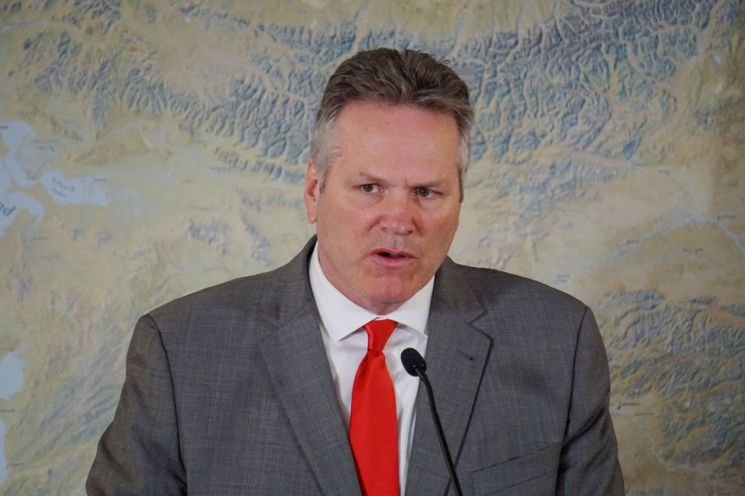
Internal debates over the use of the surplus from the oil price surge have already begun. Governor Mike Dunleavy of Alaska and some Republicans want to 'save' a significant portion of the funds without spending them to prepare for potential future recessions. On the other hand, Democrats are advocating for increased spending on education.
In particular, the state House plans to allocate $1.2 billion for education in the fiscal year starting July 2023. This spending is intended to address rising costs related to everything from heating fuel to teacher salaries. Previously, due to reduced state revenues, Alaska had to implement teacher layoffs and budget cuts.
Some Republicans argue that related funds should be used to improve aging infrastructure to enhance local community transportation services.
© The Asia Business Daily(www.asiae.co.kr). All rights reserved.
![Clutching a Stolen Dior Bag, Saying "I Hate Being Poor but Real"... The Grotesque Con of a "Human Knockoff" [Slate]](https://cwcontent.asiae.co.kr/asiaresize/183/2026021902243444107_1771435474.jpg)

















