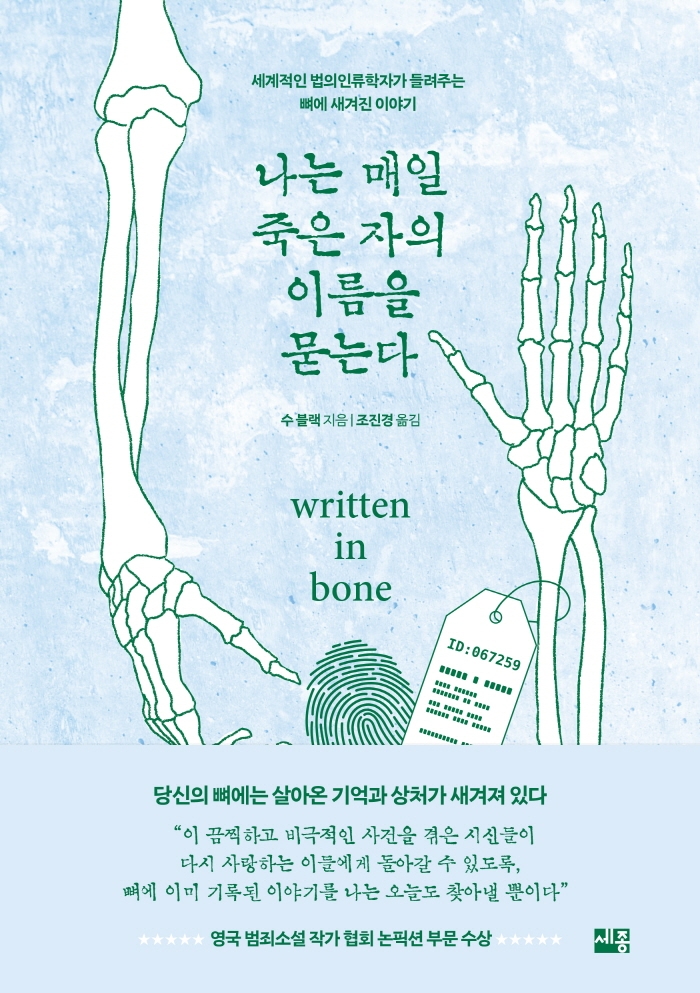
[Asia Economy Reporter Seomideum] A cheerful woman of mature age bursts into the police station door in a slightly excited state. She says, “If you lift the patio stone slab in the backyard of a prominent figure’s first-floor nearby, you will find a corpse.” The police immediately dispatched, and indeed a body was found there. The woman, who had worked as a caregiver in that house over 20 years ago, testified that the elderly lady she cared for was found dead one day, and not knowing what to do, she panicked and, not wanting to cause trouble with the police, buried her in the backyard. Regarding the severed skull, the woman testified, “I felt as if the elderly lady was staring at me, so I cut off her head with a shovel blade and put it in a plastic bag.” She claimed the skull was severed after death. However, the forensic anthropologist concluded, based on the skull fracture patterns, that there were at least two blows, and that the blunt force trauma to the back of the skull was most likely the cause of death. Eventually, the woman confessed to the murder and faced legal judgment. The forensic anthropologist who contributed to solving the case is Sue Black, author of the book I Ask the Name of the Dead Every Day and regarded as the UK’s top forensic scientist.
In this way, forensic anthropologists restore the “names” to those who have lost them through bones. In large-scale disasters or terrorist attacks where DNA or fingerprint evidence cannot reveal the truth, when flesh has decayed and bodies are too damaged to recognize, they read the names from the corpses. Their interest lies in what kind of life the bone owner had and who they were. They search for the records of that person inscribed in the bones and uncover their stories to restore names to the dead. This is why the author says, “The work of a forensic anthropologist is like a quiz where you identify a song title by hearing only a short melody.” Because they must read a person’s life from just a tiny bone fragment.
Bones contain more information than one might think. They reveal age, accident history, even hair color and whether the person was vegetarian. The skull can determine age, sex, and race. Vertebrae mainly reveal facts related to body dismemberment, and ribs are the most targeted area by perpetrators during crimes, making them useful for identifying murder weapons. Since male hormone testosterone affects rib cartilage, it can also reveal if someone is transgender. Additionally, if there was severe psychological trauma during growth, growth stops and a thin white line remains on the leg bones; this Harris line is a key clue in uncovering child abuse crimes.
The author details the process of assisting criminal investigations with anatomical knowledge of bones. The real-life examples, more novel-like than fiction, capture readers’ interest.
I Ask the Name of the Dead Every Day | Written by Sue Black | Translated by Jojinkyung | Sejong Books | 444 pages | 19,000 KRW
© The Asia Business Daily(www.asiae.co.kr). All rights reserved.
![Clutching a Stolen Dior Bag, Saying "I Hate Being Poor but Real"... The Grotesque Con of a "Human Knockoff" [Slate]](https://cwcontent.asiae.co.kr/asiaresize/183/2026021902243444107_1771435474.jpg)
















