Submission by written application, fax transmission, or oral request also possible
Guidance completed with attached regulations from the Korean Bar Association and Seoul Bar Association
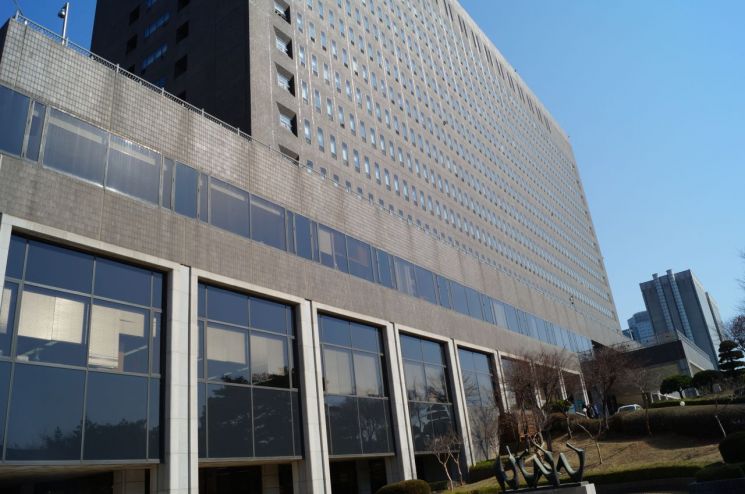
[Asia Economy Reporter Choi Seok-jin, Legal Affairs Specialist] The Seoul Central District Prosecutors' Office (Chief Prosecutor Lee Jeong-su) is set to implement a system that supports socially vulnerable groups, such as people with disabilities or stalking crime victims, by having staff accompany them when attending or leaving the prosecutors' office or by allowing their vehicles access to the building.
On the 20th, the Seoul Central District Prosecutors' Office announced that starting from the 21st, it will implement the "Attendance and Departure Support System for Socially Vulnerable Groups" to consider socially vulnerable individuals and strongly protect human rights during criminal procedures.
The office explained that this system was established to protect individuals who have difficulty moving, such as people with disabilities or the elderly, victims of stalking or sexual violence crimes who seek psychological stability due to anxiety about attending or being investigated by the prosecution, foreigners or others unfamiliar with domestic criminal justice procedures who require support, and those involved in cases needing protection of portrait rights.
Since December last year, the Seoul Central District Prosecutors' Office reviewed improvements to the system, gathered internal and external opinions, and then established the "Guidelines on Support for Attendance and Departure of Socially Vulnerable Groups" as an internal regulation. It has also informed the Korean Bar Association and the Seoul Bar Association to serve as a reference for lawyers' litigation activities.
According to Article 2 (Scope of Application) of the regulation, those eligible to use the attendance and departure support system include: ▲ individuals involved in cases who have physical mobility difficulties such as people with disabilities or the elderly ▲ individuals involved in cases who require emotional and psychological stability, such as victims of sexual violence or stalking crimes ▲ individuals involved in cases who need support due to unfamiliarity with domestic criminal justice procedures, such as multicultural families, foreigners, and North Korean defectors ▲ individuals involved in cases who require protection due to concerns about infringement of portrait rights during prosecution investigations ▲ and other individuals involved in cases recognized by the human rights protection officer as needing support.
To use the system, individuals involved in cases who fall under these categories must submit a written application form for attendance and departure support to the responsible prosecutor, investigator, or human rights protection officer. This can include fax transmission. If submitting in writing is difficult, they may apply verbally via phone or communication media and then submit the written application form on the day of attendance.
When the responsible prosecutor or investigator receives the application, they must promptly send a copy of the application to the human rights protection officer. If the application was made verbally, the case number, responsible prosecutor, reason for application, and applicant's contact information must be notified to the human rights protection officer, who will then receive the written application from the individual on the attendance day and send a copy to the human rights protection officer.
Upon receiving the application, the human rights protection officer must send the original application to the responsible prosecutor, listen to their opinion, and decide whether to approve the support. The decision must be communicated to the individual involved and the responsible prosecutor.
The specific support includes having a dedicated staff member from the Human Rights Protection Office accompany the individual involved when they attend the prosecutors' office, escorting them to the prosecutor's office, investigation room, waiting room, etc., allowing the individual and their lawyer's vehicle access to the building, and accompanying them to the entrance of the prosecutors' office when leaving after the investigation.
The Seoul Central District Prosecutors' Office stated, "Going forward, the prosecution will continue to enhance practical services for socially vulnerable groups, prevent unjust human rights violations, support social minorities and vulnerable groups, and further establish its role as a human rights advocacy institution."
© The Asia Business Daily(www.asiae.co.kr). All rights reserved.
![Clutching a Stolen Dior Bag, Saying "I Hate Being Poor but Real"... The Grotesque Con of a "Human Knockoff" [Slate]](https://cwcontent.asiae.co.kr/asiaresize/183/2026021902243444107_1771435474.jpg)















