 [Photo by Gangdong Kyung Hee University Hospital]
[Asia Economy Reporter Lee Chun-hee] As mid-March arrives, a brief cold snap has come, but spring weather is expected to return from late next week. As the weather warms, cherry blossoms signaling spring are expected to bloom nationwide from the end of this month to early next month.
However, spring flowers are both welcome and unwelcome guests for rhinitis patients. One of the main causes of allergic rhinitis, which occurs when the nasal mucosa overreacts to certain substances, is pollen. While spring's representative flowers such as cherry blossoms, forsythia, and azaleas are often pointed out as causes, the pollen that actually triggers allergies comes from pine, oak, birch, and alder trees. These are wind-pollinated 'anemophilous' plants whose pollen particles are small and light, allowing them to be easily carried by the wind.
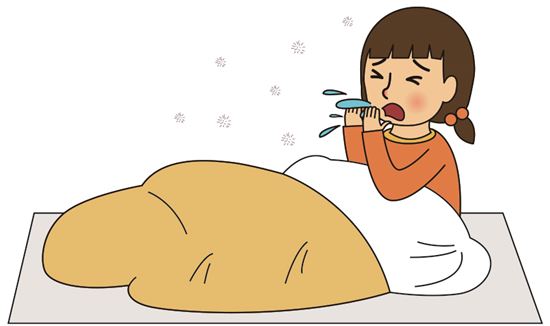
When allergens such as pollen, fine dust, house dust mites, and pet hair enter the nose, inflammatory cells cause symptoms like sneezing, runny nose, and itching, which reduce quality of life. Especially in children, these symptoms can lower concentration, reduce academic performance, and disrupt sound sleep, negatively affecting growth. If the nose is blocked and breathing is impaired during sleep, oxygen deficiency in the body makes it difficult to enter deep sleep, hindering the secretion of growth hormones.
Treatment methods for allergic rhinitis are broadly divided into three types: pharmacotherapy (chemical therapy), avoidance therapy (environmental therapy), and immunotherapy. The most commonly used method is pharmacotherapy, which involves using over-the-counter antihistamines or decongestants in tablet or nasal spray form.
However, the most fundamental and important treatment is avoidance therapy. This involves avoiding allergens in daily life by removing dust mites, improving air quality, and limiting pets. In Europe and other regions, avoidance agents have been developed to enhance this therapy and are used in treatment. Various allergen blockers have also been introduced and are commercially available in Korea.
If allergic rhinitis progresses to chronic hypertrophic rhinitis or persists for other reasons, the nasal turbinates inside the nostrils may become abnormally enlarged, causing turbinate hypertrophy. In such cases, medication may be ineffective, and procedures such as turbinate resection, which removes part of the swollen turbinate, or turbinate reduction surgery, which removes bone inside the turbinate to widen the nasal cavity, may be necessary.
© The Asia Business Daily(www.asiae.co.kr). All rights reserved.
![Clutching a Stolen Dior Bag, Saying "I Hate Being Poor but Real"... The Grotesque Con of a "Human Knockoff" [Slate]](https://cwcontent.asiae.co.kr/asiaresize/183/2026021902243444107_1771435474.jpg)














