Dementia Prevention Through Dementia Symptom Checklist
[Asia Economy Reporter Jin-kyung Lee] The era of an average lifespan of 100 years is approaching. As we age, there is a disease more frightening than cancer. It is dementia. No matter how intelligent a doctor is, dementia is a terrifying disease that can turn a person into a child in an instant. According to a report from the Central Dementia Center, as of 2021, 1 in 10 elderly people aged 65 or older in South Korea has dementia, and it is expected that by 2050, the number of dementia patients will exceed approximately 3 million. Although medical technology is advancing and many treatments are emerging, once dementia symptoms appear, complete recovery is difficult. Therefore, early detection and prevention are most important. How can dementia be detected early? Let's take some time to learn about abnormal behaviors accompanying dementia symptoms as well as misconceptions about dementia.
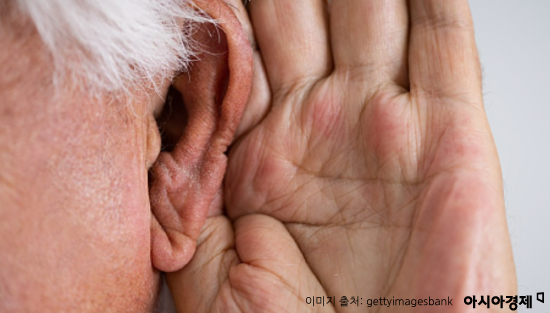
● Does dementia develop due to genetic causes?
Dementia is not a disease caused solely by genetic factors. Dementia occurs when brain cells weaken or break down, which can be triggered by various external and internal factors that impair brain cell function and shorten their lifespan, such as alcohol, smoking, and stress. While there are cases where dementia develops genetically, poor lifestyle habits and dietary habits can also influence its onset. Especially if someone is genetically predisposed to weak brain cells and also has harmful lifestyle habits, dementia can develop rapidly even at a young age rather than as a result of aging.

● Dementia is not a single disease?
Dementia varies depending on its cause. It can be broadly divided into three types: 'degenerative dementia,' caused by rapid brain aging; 'vascular dementia,' caused by blocked blood vessels leading to insufficient blood supply to the brain and resulting in brain cell damage; and 'other dementias,' which occur due to decreased brain function from other diseases. The most common dementia is Alzheimer's dementia, a type of degenerative dementia, accounting for more than 50% of all dementia cases. In the case of other dementias, many can be cured if the cause is treated, but some types are difficult to cure completely and can only have their progression slowed through treatment.

● Does severe forgetfulness lead to dementia?
Many people confuse forgetfulness with dementia. Forgetfulness refers to a temporary state where the brain is overloaded and cannot recall certain events or facts. Therefore, with hints from others, the person can remember on their own and it does not significantly interfere with daily life. In contrast, dementia involves problems with the brain's memory storage function; the person does not recognize their memory decline, cannot remember even with hints, and daily life is impaired, requiring care. This is the key difference from forgetfulness.


● Is dementia a disease that only occurs in the elderly?
Dementia is known as an age-related disease, but it can occur regardless of age, even in younger people. Dementia occurring in patients under 65 is called 'early-onset dementia,' which often has a family history as its cause and can also be caused by cerebrovascular disease or excessive alcohol consumption. Especially with early-onset dementia, because the patient is young, initial symptoms are often overlooked, and the disease is recognized only after it has progressed significantly, so it is important not to miss the early treatment window.

● Is drinking one or two glasses of alcohol a day good for brain health and dementia prevention to relieve stress?
Many mistakenly believe that light drinking of one or two glasses a day helps relieve stress and benefits brain health. However, this is not true. On the contrary, alcohol damages brain function, and continuous drinking can cause alcohol-related dementia. Alcohol-related dementia progresses very rapidly and, if neglected, can lead to senile dementia, so caution is necessary.

● Is it good to talk to dementia patients about their past wrongdoings when they are mentally alert?
It is better not to talk about it because even if you speak when they are lucid, they will eventually forget. Rather, hearing such stories can hurt their pride and cause stress, which is harmful to their health. Dementia patients can learn behaviors through repeated education and can refrain from dangerous actions. Also, behaviors or thoughts involving obsession or fixation can be changed or improved if distracted once. If there are worries or concerns about caring for dementia patients, it is advisable to actively consult with specialists.

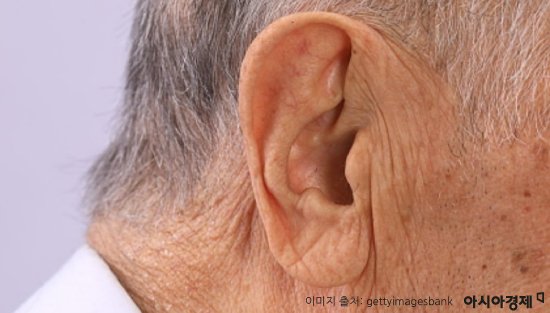
● Are people with wrinkles on their earlobes twice as likely to have dementia as those without?
Yes. According to a joint study by Kyung Hee University Hospital and Samsung Medical Center, wrinkles on the earlobes may signal cognitive impairment, especially cerebral white matter degeneration, cerebral ischemic disease, and accumulation of amyloid?a key substance causing Alzheimer's disease, a type of senile dementia. Actual examinations of the ears and brains of people with earlobe wrinkles showed blocked microvessels appearing white, and brain blood vessels also showed white degeneration. Therefore, people with many wrinkles on their earlobes may have a higher risk of developing dementia and should pay more attention to vascular and brain health management.
● Can early treatment slow the progression of symptoms?
The earlier treatment for dementia begins, the more it can slow progression to late-stage dementia and maintain cognitive function during the mild dementia stage for as long as possible. Alzheimer's dementia symptoms can be alleviated with medication, and vascular dementia symptoms can improve by treating stroke causes and simultaneously using medication. Although complete cure may be difficult, early treatment can slow disease progression and allow daily life to continue, so it is important to visit a hospital promptly if symptoms are suspected.

● How can I know if I have dementia?
Early awareness and treatment of dementia are crucial. So how can one recognize dementia early? Early dementia is characterized by changes in personality and emotions different from usual. Therefore, one should carefully observe whether there have been sudden changes in personality and emotions recently or if abnormal behaviors different from before are occurring. If symptoms or changes suspicious for dementia appear, it is advisable to suspect dementia and promptly visit a hospital for examination. Let's check abnormal behaviors and symptoms that may appear with dementia using the self-checklist below.

▶ A person who was usually strict suddenly becomes unusually generous
▶ Previously sociable, but suddenly dislikes going out and wants to stay home
▶ Even tasks previously done enthusiastically become bothersome
▶ Shows simpler, childlike thinking compared to before
▶ Exhibits selfish behaviors as if personality has changed selfishly
▶ Neglects personal hygiene such as washing face or bathing more than before
▶ Shows aggressive behaviors such as hitting, shouting, or cursing
▶ Suspects someone has stolen their belongings or believes others intend to harm them, showing delusions
▶ Repetitive behaviors such as pacing around the house, putting on and taking off clothes
▶ Wanders outside unnecessarily often

Ask yourself the following questions. If it is difficult to answer or you feel there is a problem with your memory, take time to carefully examine your condition using the dementia symptom checklist below.
□ Do you have no problems with your memory?
□ Do you think your memory is worse than others of the same age?
□ Is it difficult for you to remember recent events?
□ Has your memory declined compared to 10 years ago?
□ Do you feel inconvenienced in daily life due to memory decline?
□ Is it difficult for you to remember appointments made a few days ago?
□ Is it difficult for you to remember conversations from a few days ago?
□ Is it difficult for you to remember the names of close people?
□ Is it difficult for you to remember to turn off the gas or electric stove?
□ Is it difficult for you to remember frequently used phone numbers (your own or family’s)?
□ Have you ever gotten lost near your home?
□ Is it difficult for you to remember where you placed things?
□ Is it difficult for you to remember the names of items you intended to buy at a store?
□ Do you lose things more often than before?

□ Memory impairment interferes with daily life
□ Familiar tasks at home, work, or leisure become difficult
□ Difficulty planning or solving problems
□ Confusion about time and place
□ Difficulty finding words when speaking or writing
□ Reduced understanding of visual images and spatial relationships
□ Decreased judgment
□ Changes in mood and personality
□ Frequently places items in wrong places and cannot find them
□ Difficulty maintaining work or social life
□ If two or more of the above apply, a dementia test should be taken, and it is advisable to visit a hospital promptly.

● What should you do if dementia is suspected?
If you suspect dementia, you should visit a hospital as soon as possible. Although dementia cannot be completely cured, its progression can be slowed. Except for degenerative dementia, early detection can prevent further progression. You can maintain daily life while slowing progression, and since it is not an incurable disease, rather than giving up treatment after diagnosis, it is important to actively participate in hospital treatment and various programs such as dementia safety centers to try to slow progression.

● How can dementia be prevented?
Everyone experiences memory decline as they age. Since dementia is a degenerative brain disease, prevention is most important, although early treatment is also crucial. To prevent dementia, smooth blood circulation in the brain is necessary. Continuous stimulation of brain activity in daily life is also needed. Engaging in hobbies such as reading or playing Baduk (Go) for about an hour daily helps prevent dementia. Clapping hands, chewing gum, singing, playing games, and meeting new people are also beneficial. However, excessive mental strain causing stress can harm brain health. Maintaining regular lifestyle habits and getting good sleep at night are important, and attention should be paid to keeping blood pressure at an appropriate level. Especially, spicy foods can increase the risk of high blood pressure, so it is best to avoid them and frequently eat foods good for preventing hypertension such as pumpkin, tomato, and spinach, carefully managing dietary habits. From the mid-40s, it is good to take an interest in brain cell care, and by the early 60s at the latest, active management for dementia prevention is necessary.

▶ Sweet desserts such as cookies, bread, donuts, and snacks
▶ Alcoholic beverages such as soju, beer, and whiskey
▶ Processed meats such as sausages and ham
▶ Foods high in trans fats such as margarine

Although the above foods taste good, frequent consumption harms health and can induce dementia. Therefore, if you have regularly enjoyed these foods, it is necessary to reduce intake and gradually avoid them for dementia prevention and health management. We must not forget that our brains age day by day, and consistent care is essential.
© The Asia Business Daily(www.asiae.co.kr). All rights reserved.
![Clutching a Stolen Dior Bag, Saying "I Hate Being Poor but Real"... The Grotesque Con of a "Human Knockoff" [Slate]](https://cwcontent.asiae.co.kr/asiaresize/183/2026021902243444107_1771435474.jpg)

















