[Asia Economy Reporter Choi Seok-jin, Legal Affairs Specialist] Jeju Province filed a lawsuit seeking damages worth hundreds of millions of won against the so-called 'Gangnam mother and daughter,' who caused controversy after testing positive for COVID-19 following a trip to Jeju Island despite having suspected symptoms. However, the court ruled against Jeju Province.
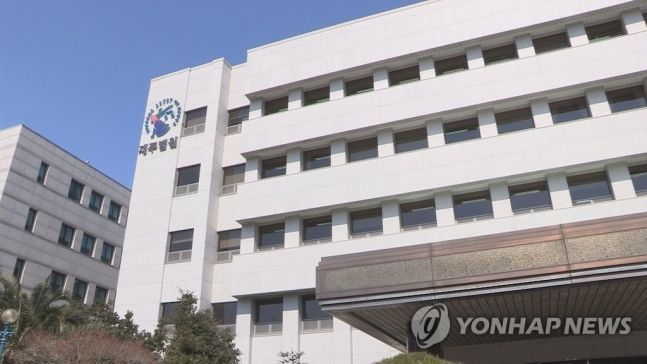
On the 28th, Judge Song Hyun-kyung of the Jeju District Court Civil Division 2 ruled in favor of the defendants in the damages claim lawsuit filed by Jeju Province and two Jeju-based companies against the mother and daughter, who were COVID-19 confirmed cases number 21 and 26 in Gangnam-gu, Seoul.
The mother and daughter traveled to Jeju Island for 4 nights and 5 days from March 20 to 24, 2020, during the early spread of COVID-19, and were subsequently confirmed positive after testing following their trip.
During the epidemiological investigation, it was confirmed that Ms. A, the daughter (Gangnam-gu case number 21), who had entered from the United States, experienced chills and muscle pain from the first day of the trip, visited a hospital, took cold medicine, yet completed the entire itinerary before returning to Seoul and undergoing diagnostic testing.
Jeju Province placed all individuals who had contact with the confirmed cases under self-quarantine and conducted movement tracking epidemiological investigations and disinfection measures. Subsequently, Jeju Province filed a lawsuit in March 2020 seeking damages worth 110 million won, stating that "Gangnam-gu case number 21 showed suspected COVID-19 symptoms from the first day of the Jeju trip but continued traveling, resulting in 20 visited businesses temporarily closing and about 90 close contacts being quarantined." The amount claimed increased to 132 million won as the businesses visited by the mother and daughter joined the lawsuit.
In court, the mother and daughter submitted a response stating that they were unaware of the possibility of COVID-19 infection and were not negligent.
They claimed that the hospital visit during the trip was to treat allergy symptoms that Ms. A had been suffering from regularly.
After a lawsuit lasting 1 year and 10 months, the court ultimately ruled in favor of the mother and daughter.
Attorney Lee Jeong-eon, representing Jeju Province, stated, "Since there is no precedent, we plan to review the court's written judgment and then decide whether to appeal."
The attorney added, "The key issue in this trial was whether the defendants could have predicted the damage situation during the early stage of COVID-19. It appears the court judged that it was difficult to foresee such damage due to the lack of specific quarantine guidelines at that time."
© The Asia Business Daily(www.asiae.co.kr). All rights reserved.