[Seoul District News] Seongdong-gu Urgently Recruits 8 Companies for 'Youth Tomorrow Finding Project with Social Ventures' Linked to Regular Jobs by the 27th; 90% of Labor Costs Supported for 10 Months (Up to 1.68 Million KRW/Month) for Hiring Youth Job Seekers... Dongdaemun-gu Conducts Intensive Inspections on Construction Site Safety from Jan 17 to Feb 3 Ahead of Lunar New Year... Mapo-gu Recruits 2022 Youth Participation Committee Members... Geumcheon-gu Provides 5.5 Billion KRW in Small Business Development Fund Loans... Gangbuk-gu Supports Small Business and Small Merchant Quarantine Supplies Costs... Jung-gu, 50 Public Facilities,
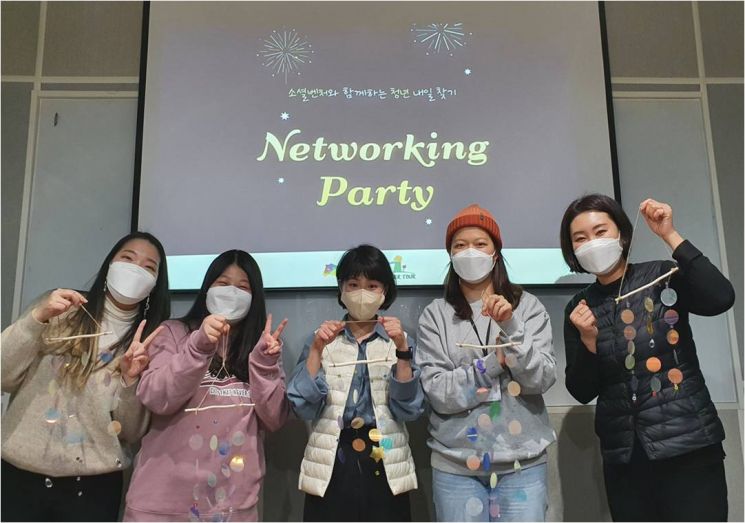
[Asia Economy Reporter Park Jong-il] Seongdong-gu (Mayor Jung Won-oh) is recruiting 8 social ventures to participate in the ‘2022 Finding Youth's Tomorrow with Social Ventures’ project until the 27th of this month.
The ‘Finding Youth's Tomorrow with Social Ventures’ project is a job creation initiative that connects young people aspiring to enter the social economy sector with social venture companies. Social venture companies receive partial support for the wages of newly hired youth to maintain stable employment, while young people are provided with on-site work experience opportunities in the social venture field and capacity-building education tailored to their growth stages, aiming to lead to regular employment.
Since 2020, the district has supported a total of 15 social venture companies, with 12 companies hiring 12 people as regular employees. Last year, through support for 10 companies, 7 companies ultimately employed 7 people, achieving stable youth job creation annually.
Especially this year, to raise young people's interest in the local community, encourage regional settlement, and enhance regional competitiveness through revitalizing social ventures within the area, the project specializes in social contribution fields such as nurturing social activists linked to region-specific social economy.
The eligible companies for application are social ventures located in Seongdong-gu, and those with content related to realizing social value in their corporate registration or articles of incorporation can apply. Selected companies will receive up to 1.68 million KRW per month, which is 90% of the youth wage (based on 1.875 million KRW per month), for 10 months.
In February, youth participants will be recruited and matched with jobs. The youth will gain 10 months of work experience from March to December at each social venture company.
Application forms, submission documents, and application methods for participation can be found in detail on the Seongdong-gu Office website.
Meanwhile, Seongdong-gu, home to over 430 social ventures, was the first in the nation in 2017 to enact the ‘Ordinance on Fostering Social Ventures and Creating an Ecosystem’ to establish a basis for nurturing and supporting them. With a dedicated department, it systematically promotes various support policies, laying the foundation for the Venture Business Promotion Act implemented last July, and is recognized as the largest and most robust social venture ecosystem in Korea.
Jung Won-oh, Mayor of Seongdong-gu, said, “Despite the difficult economic situation due to COVID-19 last year, youth who received work experience and education through the ‘Finding Youth's Tomorrow’ project achieved sustainable employment by transitioning to regular jobs. I hope this project provides an opportunity for social venture companies and excellent young talents to grow together.”
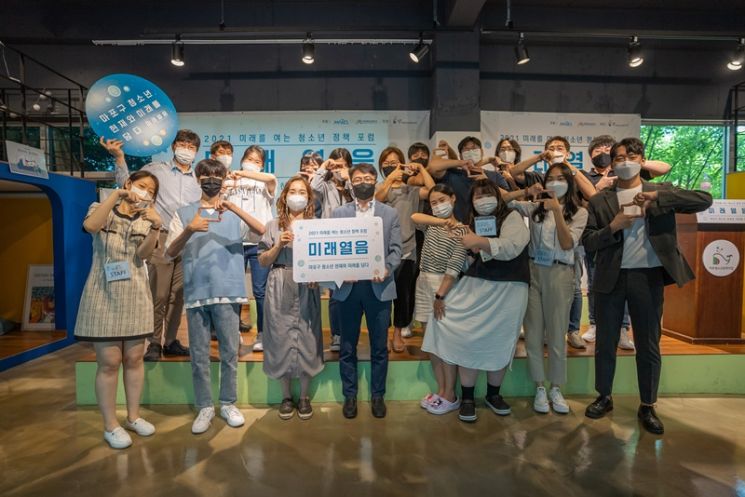
Mapo-gu (Mayor Yoo Dong-gyun) announced the recruitment of ‘2022 Mapo-gu Youth Participation Committee’ members, where youth actively participate in Mapo-gu’s policies and projects.
The Mapo-gu Youth Participation Committee was first launched in 2013 to enhance the effectiveness of youth policies and promote youth rights, preparing for its 10th term activities this year under the name ‘Nuribom’.
The recruitment period is until the 7th of next month, targeting 20 youths aged 14 to 24 attending schools located in Mapo-gu.
Applications can be submitted via the Mapo Youth Culture House website under ‘Youth Activities - 10th Nuribom New Member Recruitment’ at the bottom of the page.
Document screening will be held on February 9, interviews on February 12, and successful candidates will be announced on February 16. Activities will run from March to December this year. Selected members will receive a certificate of appointment signed by the Mayor of Mapo-gu, and outstanding members will be awarded commendations at the end of the year.
Main activities include regular meetings, youth policy monitoring, policy proposals, and forum hosting.
Last year, the Mapo-gu Youth Participation Committee ‘Nuribom’ proposed four youth policies to Mapo-gu: ▲Illegal advertising and voice phishing prevention programs for youth ▲Voucher support for menstrual products for female youth ▲Establishment of a metaverse space for youth ▲Strengthening specialized career and academic counseling for youth.
Additionally, in August last year, they participated as presenters at the youth policy forum ‘Future Sound’ hosted by Mapo-gu, achieving outcomes such as ▲Development hub of social capital for youth facilities ▲One-stop career maker for youth institutions ▲Discovery of youth mental health topics in Mapo-gu during the COVID-19 era.
They have also engaged in activities to expand benefits such as youth ID issuance and plan to continue discovering various agendas this year.
For more details, visit the Mapo Youth Culture House website or contact by phone.
Yoo Dong-gyun, Mayor of Mapo-gu, said, “After participating in last year’s youth policy forum ‘Future Sound,’ I was impressed by the active and creative ideas of the youth participation committee members. The proposals made by youth are being carefully reviewed by Mapo-gu, so I encourage many to participate in the Youth Participation Committee this year as well.”
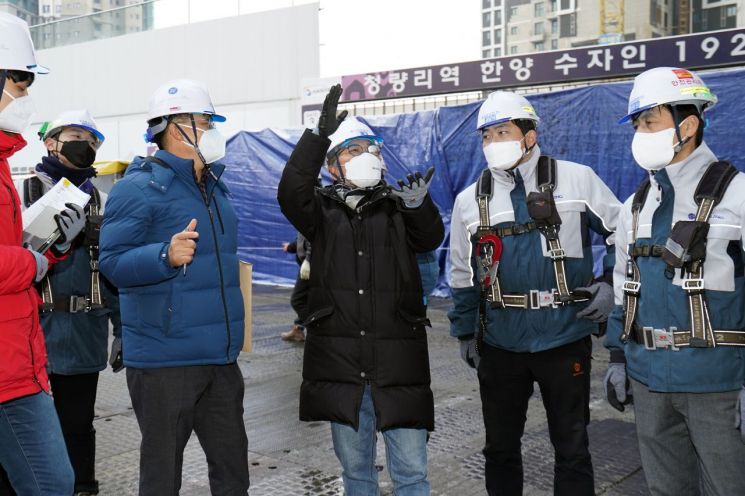
Dongdaemun-gu (Mayor Yoo Deok-yeol) has recently started proactive inspections of construction sites within the district to ensure residents' safety amid growing concerns about construction site safety.
In preparation for the Lunar New Year, safety inspections will be conducted from the 17th to February 3rd targeting large construction sites within redevelopment project areas. Additionally, vulnerable facilities will be inspected regularly by the managers of each redevelopment zone.
The inspection targets nine redevelopment construction sites, checking whether safety management measures are established, availability of snow removal equipment and materials at the sites, safety-related risk factors, facility safety status, and any citizen inconvenience.
After inspections, any issues found will be promptly addressed through administrative guidance. If any special issues are discovered, immediate safety orders will be issued, and in urgent cases, facility use restrictions, prohibitions, or construction halts will be enforced.
Yoo Deok-yeol, Mayor of Dongdaemun-gu, said, “Due to increasing concerns about safety accidents, we are conducting safety inspections of construction sites in the area. This inspection will focus intensively on structural aspects to prevent accidents, and we will continue to manage proactively to ensure residents' safety.”
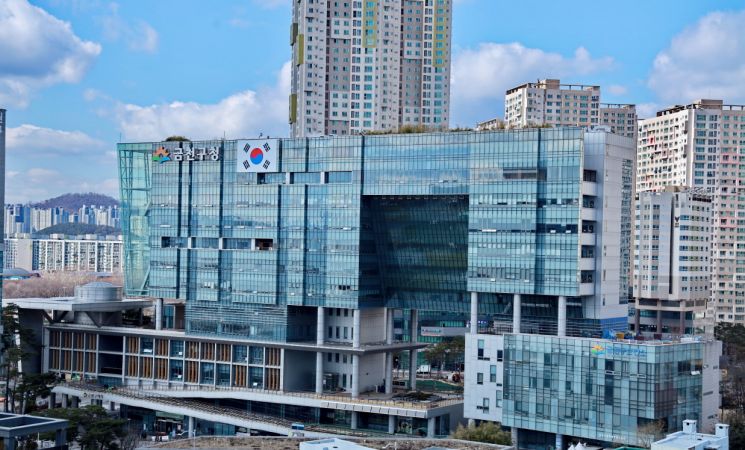
Geumcheon-gu (Mayor Yoo Sung-hoon) will provide a total of 5.5 billion KRW from the Small and Medium Enterprise (SME) Development Fund to alleviate financial difficulties faced by SMEs due to COVID-19.
The support targets SMEs with their main office or business site in Geumcheon-gu, including manufacturing, knowledge industries, information and communication industries, and social economy enterprises. However, companies that have received support within the last five years are excluded.
Each company can receive up to 100 million KRW. The loan interest rate is 1.5% per annum, with repayment conditions of a 1-year grace period followed by 3 years of equal installments (4 times a year).
Companies wishing to apply for loans can download the application form from the ‘Notices and Announcements’ section on the Geumcheon-gu Office website from January 24 to February 18, fill it out, and submit it in person or by mail to the Regional Economy Division on the 11th floor of the district office along with supporting documents such as business registration certificates and VAT standard certificates.
Loan applications will be reviewed by the SME Development Fund Operation Deliberation Committee to decide on support. The fund will be disbursed directly to companies after assessing their repayment ability at the Woori Bank Geumcheon-gu Branch.
Yoo Sung-hoon, Mayor of Geumcheon-gu, said, “I hope the SME Development Fund loan support will greatly help local businesses struggling due to COVID-19.”

Gangbuk-gu (Mayor Park Kyum-soo) will provide support for quarantine supplies expenses to small businesses and small merchants until February 25.
With the full implementation of the COVID-19 quarantine pass system, the number of industries subject to the pass has expanded to 16 types. Accordingly, the district announced it will support up to 100,000 KRW for purchasing quarantine supplies such as QR code verification terminals to ease the burden on small businesses and merchants.
Eligible applicants are small businesses and merchants operating in Seoul city business sites. They must not be in a suspended or closed status as of the application date and must belong to one of the 16 industries subject to the quarantine pass following the government's additional special quarantine measures (December 3, 2021).
The 16 industries subject to the quarantine pass include ▲Entertainment facilities ▲Singing (coin) practice rooms ▲Indoor sports facilities ▲Bathhouses ▲Cycle racing, motorboat racing, horse racing tracks, casinos ▲Restaurants and cafes ▲Academies ▲Movie theaters and performance halls ▲Reading rooms and study cafes ▲Multi-rooms ▲PC rooms ▲Indoor sports game (spectator) venues ▲Museums, art galleries, science museums ▲Party rooms ▲Libraries ▲Massage and therapy shops.
The application period is until February 25, with a 10-day staggered system based on the last digit of the business registration number until January 26. For example, those with a registration number ending in 1 should apply on the 21st.
Applications for quarantine supplies support can only be made online. The payment recipient must apply personally, and in the case of co-representatives, one representative can apply.
Required documents include receipts for quarantine supplies purchases and a copy of the bankbook in the name of the representative or corporation. Eligible quarantine supplies include QR code verification terminals, hand sanitizers, masks, etc., but only items purchased after December 3, 2021, are recognized. For more details, visit the Seoul Small Business Quarantine Supplies Support website.
Park Kyum-soo, Mayor of Gangbuk-gu, said, “I hope the quarantine supplies support will help small merchants even a little. We will continue efforts to end COVID-19 and strive to return to pre-pandemic daily life as soon as possible.”
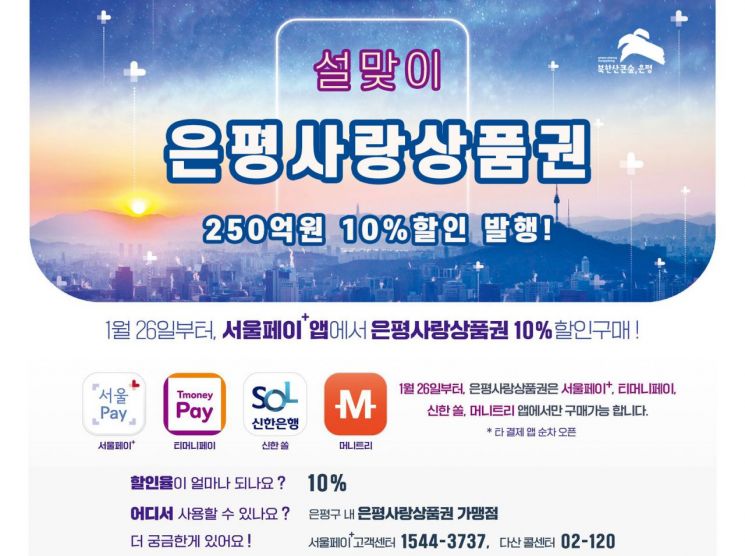
Eunpyeong-gu (Mayor Kim Mi-kyung) announced that it will issue 25 billion KRW worth of Eunpyeong Love Gift Certificates starting at 9 a.m. on the 26th in celebration of the Lunar New Year.
Purchasers will receive a 10% discount and income tax deduction benefits. Gift certificates can be purchased starting from 10,000 KRW. The monthly purchase limit per person is 700,000 KRW, and the holding limit is up to 2 million KRW when registering an account.
From this year, gift certificates can be purchased not only with cash but also with Shinhan Card. The places where the certificates can be used will expand from existing Zero Pay affiliated stores to some Shinhan Card affiliated stores.
Due to a change in sales agencies, a new app installation is required instead of the existing apps for purchasing support. Currently supported apps include ‘Seoul Pay+’, ‘T-money Pay’, ‘Shinhan SOL’, and ‘Money Tree’, with plans to expand further. The ‘Seoul Pay+’ app created by Seoul City can be installed via the Play Store and App Store.
Existing apps such as ‘Beeple Zero Pay’ and ‘Check Pay’ that previously supported purchases will not support gift certificates issued this year. Gift certificates held can be used on existing apps until February 28. After that, usage of existing certificates will be supported on the new apps.
Details on refund methods and transfers for existing gift certificates will be announced later via the website, payment apps, and notification messages.
The total amount planned for issuance in Eunpyeong-gu this year, including this issuance, is 46 billion KRW, ranking third among Seoul’s autonomous districts after Mapo-gu and Gangnam-gu.
Kim Mi-kyung, Mayor of Eunpyeong-gu, said, “I hope the Eunpyeong Love Gift Certificates issued for the first time this year for Lunar New Year will help small merchants and residents struggling due to COVID-19. We will do our best to revive the local economy so that everyone can overcome these difficult times together.”
Shared offices, shared accommodations, shared parking, car sharing, Ddareungi bike sharing...
The paradigm of the ‘sharing economy’ is no longer unfamiliar to us. In fact, it has already become mainstream. This trend has also brought changes to the public sector.
Jung-gu, Seoul (Mayor Seo Yang-ho) has high land prices and sky-high rents. It is extremely difficult to secure new spaces to provide living SOC (Social Overhead Capital) tailored to residents' needs. Jung-gu has introduced the concept of the sharing economy to solve this space shortage problem.
This is the ‘Public Facility Space Operation Efficiency Project.’ By opening idle spaces in public facilities such as community service centers, welfare centers, cultural and sports facilities, and libraries to residents, it improves space utilization efficiency and provides residents with multi-purpose shared spaces.
Meeting rooms or auditoriums in community service centers are used to create shared kitchens, offer various specialized programs for residents, or sometimes serve as pop-up exhibition halls.
Before the COVID-19 outbreak, in the summer of 2019, a pool was installed on the playground of Jangchung Elementary School, receiving enthusiastic responses from residents. The lawn field at Son Ki-jung Sports Park was opened as a picnic area for residents, and spaces in Jeong-dong Park, Seosomun History Park, and Son Ki-jung Sports Park were provided as outdoor wedding venues.
The district is also actively promoting a shared parking project that opens idle parking spaces in private parking lots to residents. Following the opening of 70 parking spaces at the Freedom Federation parking lot last year, 10 parking spaces at the Korean Custom Tailoring Association parking lot in Dasan-dong were opened on the 15th of this month. From the 24th, 100 parking spaces at Doosan Tower parking lot in Dongdaemun will be opened, expected to greatly alleviate parking difficulties in the Gwanghui and Sindang-dong areas.
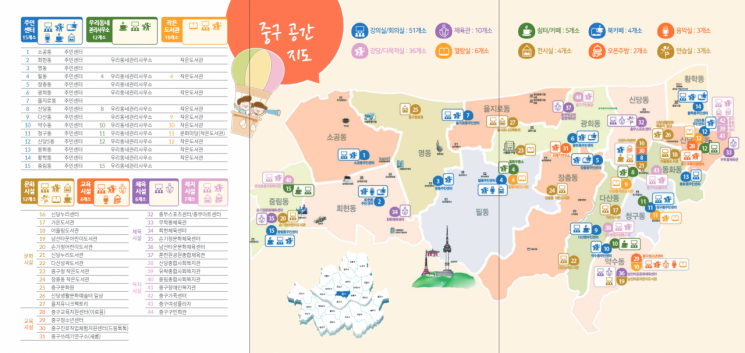
Currently, 50 public facilities with 129 spaces are open to residents. Detailed facility information can be found by searching ‘Jung-gu Space Finder Map’ on the Jung-gu Office blog. Reservations can be made through the Seoul Public Service Reservation or the public resource sharing platform ‘Gongyu Nuri.’
Community service centers also play a significant role as a goods-sharing platform. Various shared items, from household tools to disinfection devices, are available for residents to borrow easily and conveniently. After checking the item status on ‘Gongyu Nuri,’ residents can make reservations.
Mayor Seo Yang-ho said, “Sharing culture contributes not only to efficiency and convenience but also to resource conservation and environmental problem resolution. We plan to expand shared opening of private facility idle spaces in the region through public-private cooperation.”
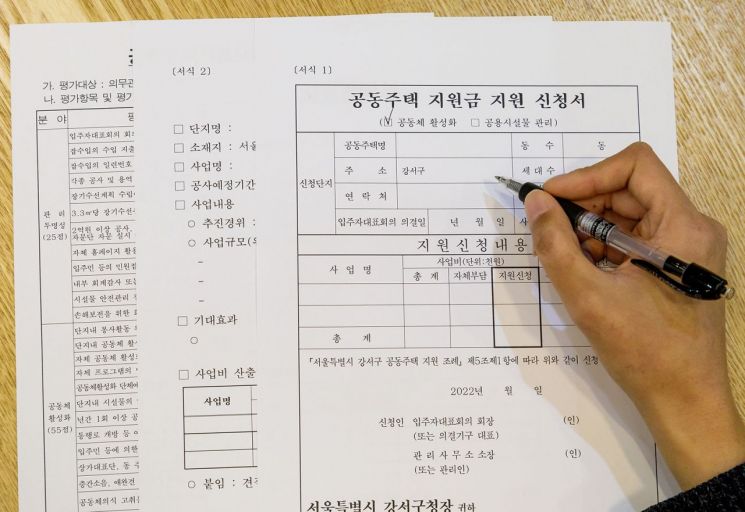
Gangseo-gu, Seoul (Mayor Noh Hyun-song) has launched support for environmental improvement of aging apartment complexes.
The district announced the promotion of the ‘2022 Apartment Complex Support Project’ to create safe and pleasant residential environments in apartment complexes.
The project aims to contribute to improving residents' housing welfare by supporting part of the costs needed for managing common facilities used by many residents and promoting community revitalization.
The support targets 293 apartment complexes with 30 or more households in the district, excluding complexes completed within 5 years and rental apartment complexes.
The apartment complex support projects include community revitalization projects (7 projects such as CCTV installation due to fence or passageway opening) and common facility management projects (8 projects such as main road and security light repairs). Support is provided up to 50% of the total project cost, with a maximum of 30 million KRW per project.
Priority support will be given to three projects closely related to residents' safety: ▲Installation of automatic opening devices for rooftop emergency doors ▲Repair and reinforcement of emergency disaster-risk facilities ▲Small-scale aging apartment complexes with poor residential environments.
Apartments wishing to apply must obtain prior approval from the residents' representative meeting and submit the application form, project plan, site photos, and other documents by February 28 to the Housing Division of Gangseo-gu Office either in person or by mail.
Details can be found on the Gangseo-gu Office website under ‘Department Guide - Housing Division - Notices,’ where application forms are also available for download.
Support projects and amounts will be decided through comprehensive review of urgency and appropriateness based on document screening and on-site investigation, followed by apartment complex support deliberation in March.
An official said, “We hope for active interest and participation in this project to improve apartment complex residential environments. We will do our best to ensure residents can live in safe and pleasant housing environments.”
Last year, the district supported 57 projects in 57 complexes, including improvements to children's playground facilities and repair and reinforcement of disaster-risk facilities, with a total of about 390 million KRW, receiving high praise from residents.
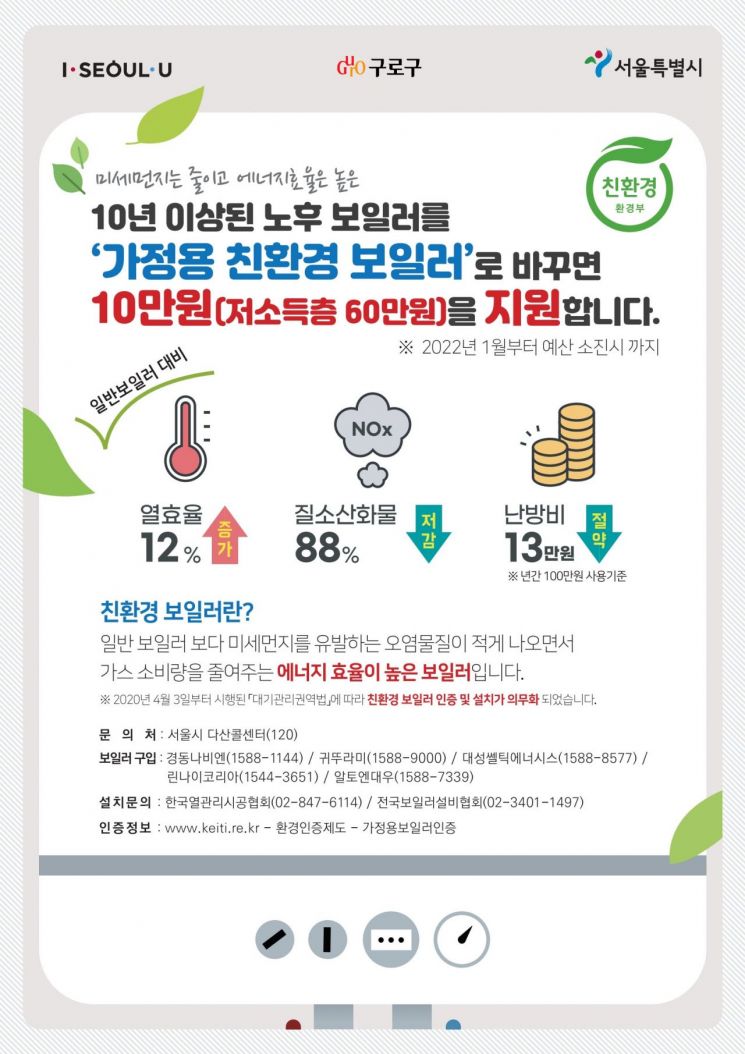
Guro-gu (Mayor Lee Sung) is implementing a support project for installing eco-friendly condensing boilers in households to improve air quality and reduce energy consumption.
On the 20th, Guro-gu announced, “This year, we will invest a total budget of about 500 million KRW to support installation costs for 4,803 eco-friendly boilers for households.”
Eligible applicants are those replacing boilers installed in the area for over 10 years (manufactured before December 31, 2012) with eco-friendly boilers. Priority is given in order to ▲Owners who are basic livelihood security recipients or low-income groups ▲Social welfare facilities such as privately operated daycare centers or senior centers ▲Owners and tenants authorized by owners.
Guro-gu plans to support applicants on a monthly basis, prioritizing earlier applicants and those replacing older boilers based on manufacturing date.
The support amount is 100,000 KRW for general households (4,761 households) and 600,000 KRW for low-income households (42 households).
Applicants should prepare documents such as subsidy request forms, eco-friendly boiler installation confirmation, and copies of registration or building certificates, and submit them in person or by mail to the Environment Division of the district office. Mail applications are based on the date of arrival.
For details on eligibility and application methods, refer to the news section on the district office website.
An official from Guro-gu said, “Installing eco-friendly boilers reduces heating costs in winter and decreases fine dust emissions. Since support is on a first-come, first-served basis, the budget may be exhausted quickly, so please apply promptly.”
Guro-gu started the eco-friendly condensing boiler installation support project in 2015 and has supported installation costs for a total of 11,430 units up to last year.
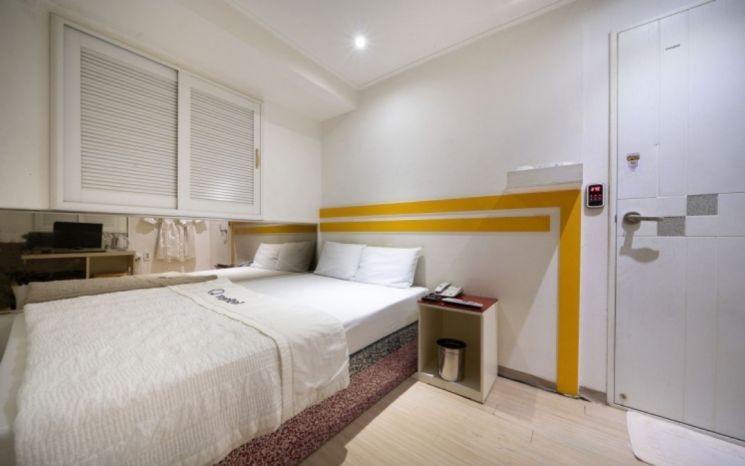
Gwangjin-gu (Mayor Kim Seon-gap) is operating free safe accommodations for families of those in self-quarantine.
According to quarantine rules, those entering from overseas or who have had close contact with confirmed cases must self-quarantine at home for 10 days. Family members living together who share common spaces such as bathrooms are at risk of exposure, causing psychological anxiety.
To alleviate psychological anxiety and provide economic support to families of self-quarantined individuals, the district has partnered with local lodging businesses to operate safe accommodations.
Designated safe accommodations offer up to a 30% discount on lodging fees per night, with the discount difference fully covered by the district office.
The district has designated one safe accommodation in each of four zones: Junggok-dong, Gunja-dong, Jayang-dong, and Hwayang-dong, operating a total of 92 rooms.
Gwangjin-gu’s safe accommodations will operate for six months from January to June, with possible extension depending on the COVID-19 situation.
For families who cannot use the safe accommodations due to personal circumstances and must use general lodging, the district provides lodging expenses of 30,000 KRW per night, up to 9 nights (270,000 KRW).
Earlier in January, the district also began operating Seoul’s first ‘Free Safe Accommodations for Families of Home Treatment Patients.’
Kim Seon-gap, Mayor of Gwangjin-gu, said, “Operating safe accommodations will help alleviate psychological anxiety and economic burdens of families of self-quarantined individuals, preventing secondary infections and contributing to COVID-19 containment. I ask residents to comply with personal quarantine rules and actively participate in the third vaccination to hasten the return to safe daily life.”
© The Asia Business Daily(www.asiae.co.kr). All rights reserved.