A Collection of Diseases That Santa Claus May Experience
[Asia Economy Reporter Jin-kyung Lee] It’s Christmas. When you think of Christmas, one person comes to mind, right? It’s Santa Claus, whom children eagerly await. In fact, every Christmas, an elderly man with a smiling face delivering a large number of gifts all over the world in just one day is an extremely busy and challenging task. How is Santa Claus’s health, performing such high-intensity work every year? As we hope Santa Claus arrives safely this Christmas as well, let’s take a moment to look at the ailments he might be experiencing and wish for his health.

① Insomnia
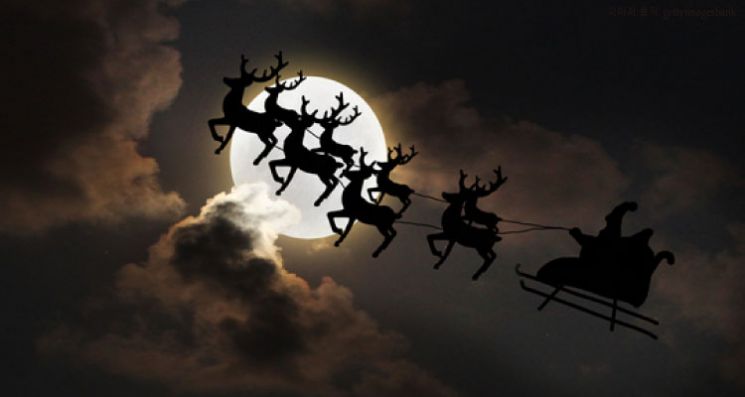
Since Santa Claus has to deliver gifts to children around the world at night, his day-night lifestyle pattern changes, which can cause insomnia. Even if given appropriate time and opportunity to sleep, problems with sleep onset, maintenance, and quality may repeatedly occur.
● What causes it?
Insomnia can be caused by various factors. Insomnia caused by changes in lifestyle rhythm or environmental factors is usually temporary, and symptoms may improve once the initial triggering event or factor disappears. Chronic physical illnesses such as pain, arthritis, or breathing difficulties, as well as psychological issues like depression and anxiety, can also cause insomnia. Additionally, taking stimulants, steroids, antidepressants, consuming caffeine-containing beverages, and excessive alcohol intake are causes of insomnia. Long-term use of sleeping pills may worsen insomnia due to changes in sleep stages.
● What are the main symptoms?
- Difficulty falling asleep and frequent awakenings during sleep.
- Feeling fatigued even after sleep, interfering with daytime activities.
- The more one tries to force sleep, the more elusive it becomes.
- Experiencing cognitive impairments such as memory and concentration decline.
- Often exposed to accident risks due to fatigue and drowsiness.
- Feeling frustrated and mentally distressed due to failure to get restful sleep.
- Symptoms persist for at least 3 months or more.
● Prevention and treatment methods?
If insomnia causes difficulties during daytime activities, medication treatment can be helpful. To prevent insomnia, maintaining a regular lifestyle and good sleep hygiene is necessary. If you cannot fall asleep within 5 minutes, get up and do something else or change the bed or bedroom to attempt deconditioning. Avoid lying in bed except when sleeping, as this habit helps prevent insomnia.
② Burnout Syndrome
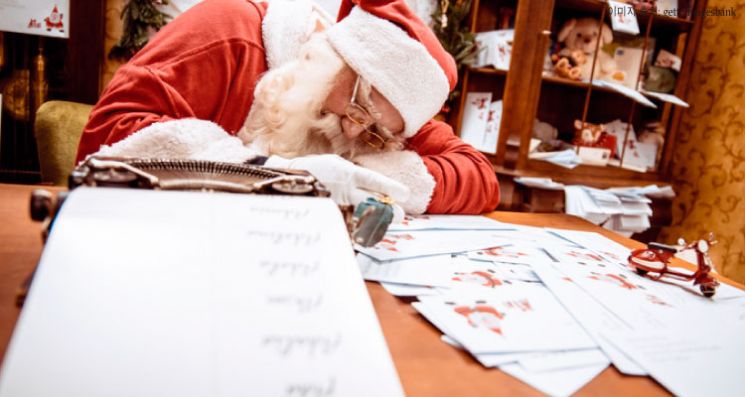
Delivering gifts diligently may lead to burnout due to excessive workload and fatigue. Burnout syndrome, a psychological term first used by an American psychoanalyst, refers to a state where a usually motivated person feels extreme mental and physical exhaustion, loses motivation, becomes lethargic, and although mentally aware of the need to work, the body does not cooperate. Chronic fatigue leads to increased irritability and anger, causing frequent conflicts with people around.
● What causes it?
Burnout syndrome is caused by prolonged excessive workload. People with the following personality traits are more susceptible:
- Impatient and easily affected by obsessive thoughts
- Unable to relieve accumulated stress and neglect it
- Having a stronger sense of responsibility than others for work or tasks
- Pursuing perfection in everything
● What are the main symptoms?
- Feeling lethargic and weakened.
- Easily irritated and angry.
- Experiencing severe anxiety when not working.
- Suffering from chronic symptoms like back pain, headaches, and cough.
- Alternating between loss of motivation and intense passion, eventually collapsing suddenly.
● Prevention and treatment methods?
If experiencing burnout syndrome, it is important not to struggle alone but to find solutions through conversations with family, friends, and colleagues.
- Accept the burnout state and think about what you truly want.
- Finish work within designated hours and never bring work home.
- Find stress relief methods through hobbies or exercise and take personal rest time.
③ Shoulder Impingement Syndrome
Santa Claus always carries a sack of gifts on one shoulder. The sack containing gifts for many children is likely quite heavy, raising concerns about the shoulder joints of the elderly Santa. Carrying heavy loads on one shoulder and bearing excessive weight can lead to shoulder impingement syndrome.

● What causes it?
In cold weather, stiff posture can reduce blood circulation, increasing the risk of muscle and ligament damage. Frequent use of shoulder muscles and repeated arm-raising movements in such conditions can cause shoulder muscle damage, leading to this syndrome. It can also occur when the rotator cuff muscles are damaged or deformed.
● What are the main symptoms?
The main symptom is pain, commonly occurring in the deltoid area, and sometimes in the upper arm. Pain occurs when raising the arm or moving the shoulder, sometimes accompanied by a catching sound. If not severe, pain is triggered by specific postures or vigorous movements, but if symptoms worsen, pain becomes constant.
● Prevention and treatment methods?
Stretching the shoulder area before and after outdoor activities in winter can help prevent it. Consistent stretching to restore range of motion improves the flexibility of soft tissues around the joint, alleviating symptoms. Severe cases may require surgical treatment.
④ Smile Mask Syndrome
Santa Claus always smiles while giving gifts to children, but could he be suffering from emotional labor unnoticed by others? Facing children with a smiling face despite cold weather and high work intensity is very challenging. Smile Mask Syndrome refers to psychological instability caused by having to always smile regardless of true feelings. It often appears in people experiencing interpersonal difficulties and excessive work stress.

● What causes it?
Social pressure to suppress personal emotions and behave according to expected roles, along with personal stress, cause this syndrome. When a person is continuously placed in situations emphasizing the persona?the social self?over genuine emotional expression, they become accustomed to hiding or repressing their true feelings. Unresolved emotions accumulate internally, eventually manifesting as serious problems like Smile Mask Syndrome.
● What are the main symptoms?
People with this syndrome appear cheerful and bright outwardly, making it difficult for others to observe symptoms. However, they experience significant stress, depression, and anxiety internally. If severe and persistent, it may lead to suicidal thoughts.
● Prevention and treatment methods?
- Share honest feelings with trusted people to cleanse emotions.
- Clearly separate work and personal time, and engage in hobbies or exercise to relieve stress.
- If severe, seek professional counseling and consider cognitive behavioral therapy or antidepressant medication.
⑤ Facial Flushing
If Santa Claus’s face, revealed between his white, thick beard, appears unusually red, he may be experiencing facial flushing. Especially in winter, rapid temperature changes between indoors and outdoors often cause blood vessels to dilate, making facial flushing more likely and worsening symptoms.

● What causes it?
Facial redness occurs due to capillaries contracting and dilating to regulate skin temperature. Facial flushing happens when blood vessels temporarily dilate due to temperature changes, innate constitution, alcohol, food, medications, hormones, or emotional changes.
● What are the main symptoms?
The main symptoms are redness and warmth of the face, sometimes accompanied by sweating. Nighttime facial flushing can disturb sleep, and daytime flushing may cause avoidance of social interactions.
● Prevention and treatment methods?
Although caused by various factors, proper diagnosis and identification of the cause allow effective treatment. Most facial flushing is due to vascular abnormalities and can be alleviated by laser treatments targeting blood vessels. However, treatment may be difficult for very dark skin or severely sunburned skin.
⑥ Abdominal Obesity
Despite a busy schedule delivering many gifts daily, Santa Claus appears to have a notably large belly. If this belly is not all muscle, the protruding fat is abdominal obesity, which can cause various adult diseases related to blood vessels. It also places significant strain on joints like the waist and knees, potentially leading to spinal disorders. According to Korean waist circumference standards, abdominal obesity is defined as 90 cm (35.4 inches) or more for men and 85 cm (33.5 inches) or more for women. It increases the risk of complications such as hypertension, diabetes, hyperlipidemia, and cardiovascular diseases, making prevention and management important.

● What causes it?
It occurs when energy intake exceeds energy expenditure, mainly due to excessive food intake and decreased physical activity. Other causes include genetic factors, changes in gut microbiota, menopause in women, certain endocrine disorders causing obesity, and side effects of various medications.
● What are the main symptoms?
Abdominal obesity itself has almost no symptoms but can cause various complications.
Commonly, gastroesophageal reflux disease may develop easily, causing acid reflux symptoms. Knee joint strain can lead to arthritis, causing persistent knee pain.
● Prevention and treatment methods?
- If abdominal obesity does not reduce despite continuous diet control and exercise, visit a hospital to identify causes and discuss treatment options with a specialist.
- Increase intake of fruits, vegetables, whole grains, and lean meats, while limiting high-fat foods rich in saturated fats and refined grains to maintain appropriate weight.
- For the general population, exercising at 50?80% of maximum capacity for 30?60 minutes, 3?5 times a week is recommended. For obese individuals, lower intensity (50?60%) with longer duration (over 60 minutes), 6?7 times a week is advisable.
⑦ Hip Fracture
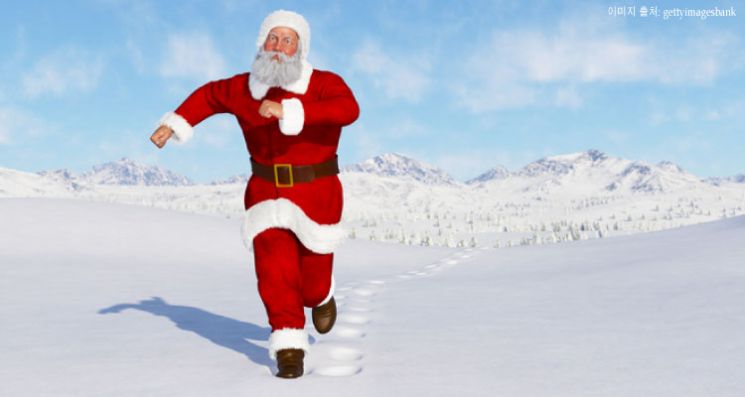
Santa Claus often enters chimneys and runs on icy roads for fast gift delivery, exposing him to a high risk of hip injuries from falls. Hip fractures can be life-threatening if not treated promptly. Mortality due to complications from immobility after fracture can reach 90%, with a 20?30% chance of death within 6 months, so elderly individuals must be cautious.
● What causes it?
Elderly people with reduced balance and reflexes are prone to falls. Weak bones and muscles mean even a minor fall can cause a serious hip fracture, so caution is necessary.
● How to prevent it?
For joint health in elderly people including Santa Claus during winter, continuous exercise to strengthen muscles and control weight is important. When lifting objects, bend one knee rather than just the waist, keep the object close to the body, and lift. Use carts when moving heavy loads at once. If pain or abnormal signs appear in joints, visit a hospital early for accurate treatment.
⑧ Frostbite
Santa Claus delivers gifts and rides a sleigh all night in the cold winter. Even with gloves and boots, prolonged exposure to severe cold can cause frostbite on hands and feet. Frostbite commonly affects ears, nose, cheeks, fingers, and toes. The symptoms and skin lesions depend on the temperature and duration of exposure. Severe cases may cause tissue death and blisters, requiring caution.

● Causes and symptoms?
Exposure to severe cold around -2 to -10 degrees Celsius can freeze soft tissues of the skin and cut off blood supply, causing frostbite. Early symptoms include cold skin, tingling, numbness, inflammation, and discoloration. If worsened, skin hardens and appears waxy. Further progression can cause permanent damage to skin, muscles, and bones, so proper medical care is essential.
● Treatment and prevention?
Warm the affected area in water at 37?42 degrees Celsius until the skin softens and slightly reddens. Cover thawed skin with a dry cloth and keep it warm and dry with soft, loose clothing. Painkillers can help with pain. Do not burst blisters to avoid infection. Eating protein-rich foods like meat and tofu aids recovery. Avoid alcohol and smoking, and keep skin well insulated with clothing and socks to prevent exposure to severe cold.
⑨ Arthritis and Disc Disease
Santa Claus, who has been with us for over 2,000 years, may have significant degenerative joint disease in his knees due to repetitive tasks like carrying gifts and aging. Sitting for long periods while pulling the sleigh may also strain the knees. Degenerative arthritis refers to damage or degeneration of cartilage protecting joints, causing ligament damage, inflammation, and pain.

● What causes it?
Degenerative arthritis naturally occurs with aging but can develop faster in younger people who overuse joints. Athletes who repeatedly use specific joints are also prone. Exact causes are unknown, but age, gender, genetics, obesity, and diseases are considered factors.
● What are the main symptoms?
Symptoms vary by location, especially in knees, where bones thicken, fluid accumulates, swelling and pain occur. Severe cases cause bowed legs, difficulty walking, and limping.
● Prevention and treatment methods?
Regular joint exercises and strengthening muscles around the knees help alleviate symptoms. Using braces, controlling weight, and physical therapy are beneficial. If symptoms worsen and walking becomes difficult, surgery may be necessary.
⑩ Athlete’s Foot
Santa Claus is often seen wearing boots. How is his foot health? Wearing boots in winter helps keep warm but prolonged use can trap moisture, making feet vulnerable to fungal infections like athlete’s foot. It can also cause severe foot odor, which is unhealthy.

● What causes it?
Athlete’s foot, also called tinea pedis, is a superficial fungal infection caused by dermatophytes infecting the skin of the feet. Wearing non-breathable shoes like leather boots for long periods traps moisture, increasing susceptibility to infection. It can also spread through contact with infected skin flakes in communal areas or sharing towels and shoes with infected individuals.
● What are the main symptoms?
Athlete’s foot mainly affects adult men. The skin between toes becomes cracked, moist, white, and fissured. Excessive sweating causes strong foot odor and severe itching. Severe cases may develop itchy blisters, and thickened scaling on the soles may flake off like fine powder.
● Treatment methods?
Generally treated with antifungal ointments applied 1?2 times daily for 2?3 weeks. If symptoms persist despite ointments, oral antifungal medication may be prescribed after consulting a specialist. Since symptom severity varies, consistent hospital visits and doctor consultations are important to prevent worsening.
● Prevention?
Wash feet at least once daily, more often if sweating heavily. After washing, dry thoroughly and ensure good ventilation. Always wear socks when wearing shoes. Choose roomy, breathable shoes rather than tight ones to help prevent infection.
© The Asia Business Daily(www.asiae.co.kr). All rights reserved.
![Clutching a Stolen Dior Bag, Saying "I Hate Being Poor but Real"... The Grotesque Con of a "Human Knockoff" [Slate]](https://cwcontent.asiae.co.kr/asiaresize/183/2026021902243444107_1771435474.jpg)

















