Health Conditions That Can Be Identified by 'Georeumgeori' (Walking Gait)
[Asia Economy Reporter Jin-kyung Lee] Have you ever paid attention to your walking style while walking? Just as everyone has different personalities, walking styles also vary. So, is there such a thing as a ‘correct walking style’? Yes, there is. Since even minor walking habits can significantly affect our health, we cannot just overlook them. If your habitual walking style is incorrect, it’s best to correct it starting now. Therefore, today we will carefully explore various ‘walking styles’.
● Can simply walking consistently maintain health?
Just developing a habit of walking steadily for 30 minutes a day can help prevent high blood pressure, diabetes, arthritis, spinal diseases, and dementia, improve sleep quality, build endurance in muscles around the spine, and strengthen the spine. This is because walking itself is a complex exercise involving bones, nerves, and muscles all moving together. However, no matter how good walking exercise is, walking with an incorrect gait can be a shortcut to damaging joint health such as the back and knees.
● How does an incorrect walking style threaten health?
An incorrect walking style fails to evenly distribute body weight, causing the feet to tire easily and placing a heavy burden on ankle joints, leading to pain in the ankles, knees, and other joints. It can also cause imbalance in the pelvis and spine, leading to various body shape problems and pain, so caution is necessary.
● What kind of walking style do I have? Exploring types of walking and related diseases
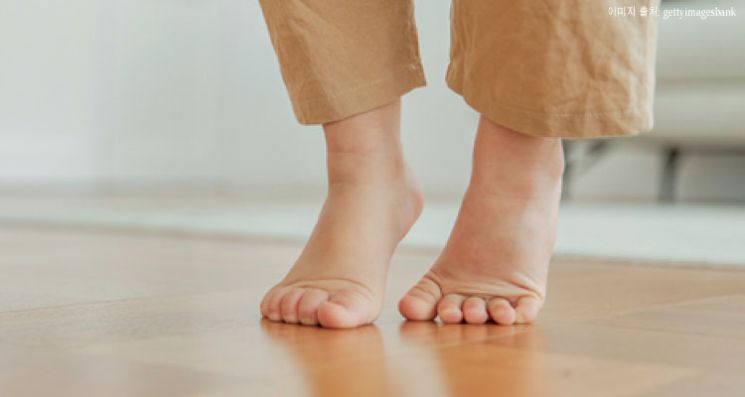
▷ Walking on tiptoes quietly
Young children who are unskilled at walking often walk on their tiptoes. However, if someone continues to walk on their tiptoes even at an age when normal walking should be established, it may be a sign of health issues. Autism spectrum disorder, muscle usage difficulties, or Achilles tendon problems should be suspected. If muscles are difficult to use properly, conditions such as cerebral palsy or muscular dystrophy may be present. Also, if the Achilles tendon is short, it may be difficult to place the heel on the ground, resulting in tiptoe walking.
▷ Limping while walking
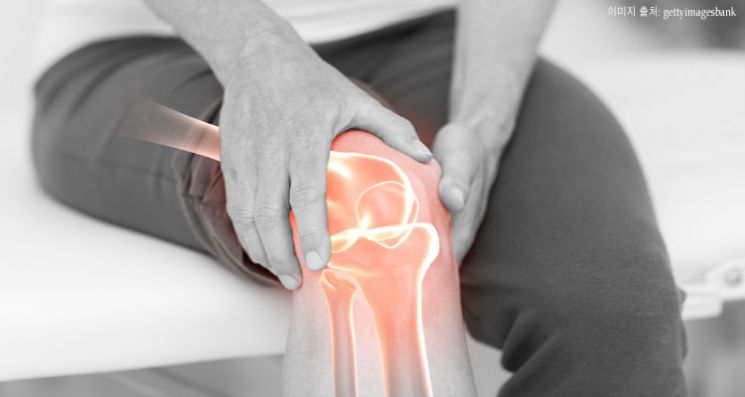
If you limp and walk unsteadily, it could be due to trauma. However, if there is no specific injury to the knees or ankles but you still walk this way, it is likely due to degenerative changes causing osteoarthritis. If you habitually use one leg more than the other or one leg frequently feels weak, it is advisable to visit a hospital to check for arthritis. Especially with knee arthritis, pain worsens when bending the knee, making climbing stairs difficult, and causing uneven weight distribution on both legs, resulting in a waddling limp. If the lateral malleolus is fractured or if the ankle was not properly treated after a fall or sprain, leading to abnormal recovery of foot ligaments, ankle instability can cause this limping gait.
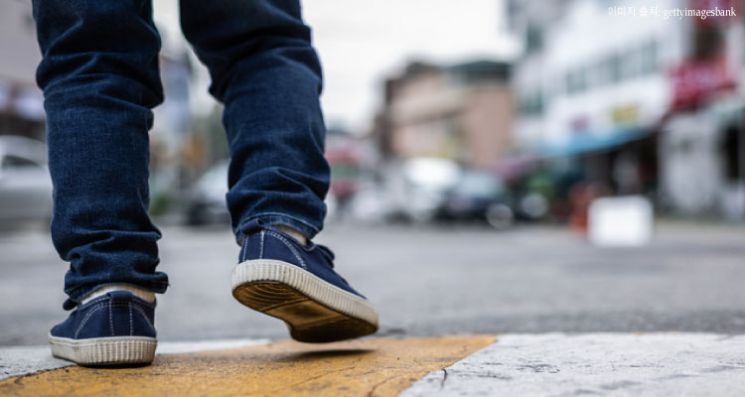
▷ Striding as if flying
Sometimes people walk on flat ground as if climbing invisible stairs, taking long strides. This may be caused by ‘foot drop,’ a condition where foot muscles are weak and cannot lift the foot upward, causing the foot to drop downward. To compensate for the foot dropping, the person lifts their foot higher, resulting in this walking style.
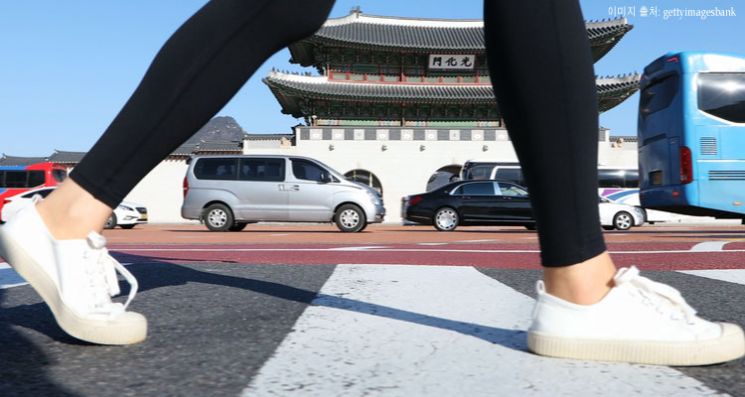
▷ Dragging feet while walking (broomstick gait)
This gait looks uncomfortable but is commonly seen in patients with Parkinson’s disease, so the cause should be carefully examined. Parkinson’s patients often walk with a stooped posture, minimal arm movement, and drag their feet. If Parkinson’s is not the cause, it is likely due to aging, where the brain fails to properly send movement signals to muscles. Additionally, this gait is sometimes seen in tall women with large hips and thighs.
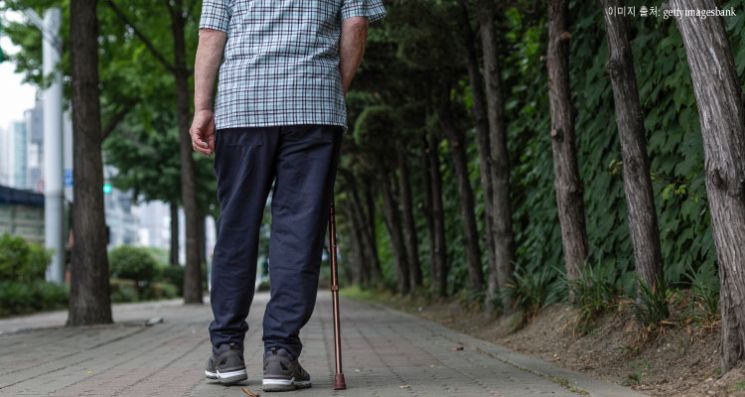
▷ Swaying forward and backward while walking (staggering gait)
This gait is commonly seen in intoxicated individuals but can also be observed in people with alcohol addiction even when sober. Reducing alcohol intake can restore normal walking. However, if this gait appears without intoxication, it may indicate brain health problems or, in athletes, ligament or knee cartilage injuries. It is best to visit a hospital promptly for an accurate diagnosis and to identify the cause.

▷ Walking with feet turned outward (duck-footed gait)
This refers to walking with feet spread outward in a fan shape at an angle of 15 degrees or more. If this gait is habitual, it may indicate dangerous deformities from the ankles to the knees and pelvis. Because the belly is slightly pushed out and the waist is tilted backward while walking, the pelvis spreads outward and the knees bow outward (‘valgus knee’). This can narrow the spinal canal causing spinal stenosis, and the knee center shifts inward, causing rapid wear of the inner knee cartilage, leading to degenerative arthritis even at a young age.
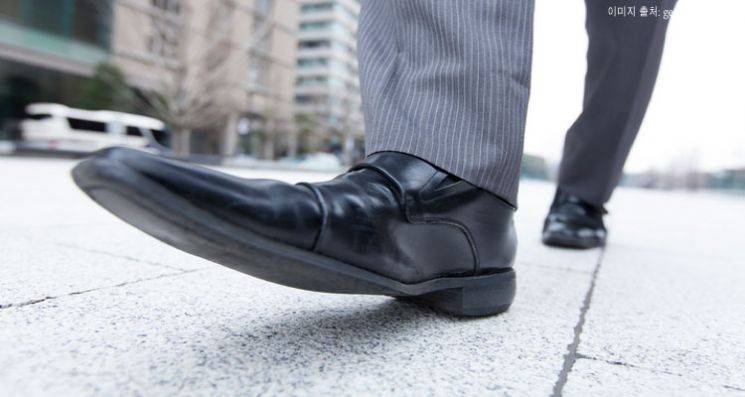
▷ Walking with feet turned inward (pigeon-toed gait)
Opposite to duck-footed gait, this is walking with feet turned inward, commonly seen in children, women, or people with inwardly rotated hip joints. This walking habit can cause pain inside the knees and lead to ‘varus knee (O-shaped legs).’ In fact, pigeon-toed gait deforms the legs into an X shape and is a major cause of degenerative arthritis. It can also cause hip arthritis due to inner cartilage damage, so gait correction is necessary.
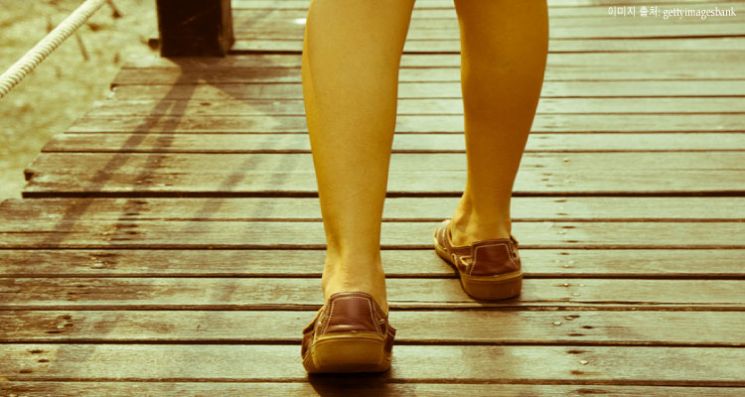
▷ Walking without straightening knees and legs (crab-legged gait)
Crab-legged gait, where the knees are not bent and the stride is wide, is common among young women because it prevents calf muscle bulging and enhances leg shape. However, since the knees cannot absorb shock, knee cartilage can be easily damaged, potentially leading to arthritis. Additionally, it strains the ankles and soles, possibly causing plantar fasciitis, so caution is needed.
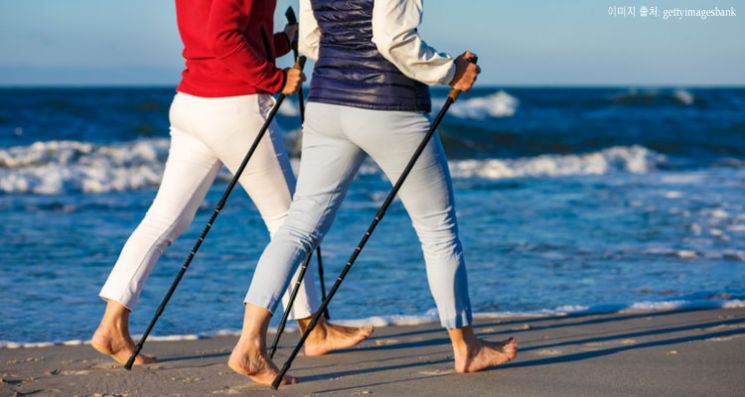
▷ Walking with the belly pushed forward (potbelly gait)
This gait is often seen in pregnant women or people with severe abdominal obesity. Walking with the belly pushed forward places heavy strain on the lower back and can cause back pain; in severe cases, the spine may become misaligned. The pelvis naturally spreads and twists forward, making the belly appear more protruded even when standing still, and the front thighs tend to develop easily, changing the body shape.
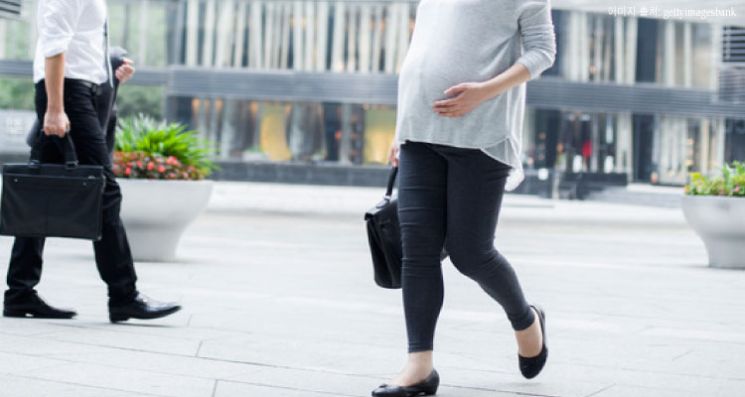
▷ Waddling gait (duck-like gait)
The waddling gait, where the upper body sways side to side while walking, often occurs when the pelvis is spread outward and deformed. Continuous waddling causes misalignment of the pelvis and other joints during walking, leading to muscle tightness around the inner and outer thighs and hips, which can easily cause neuralgia.
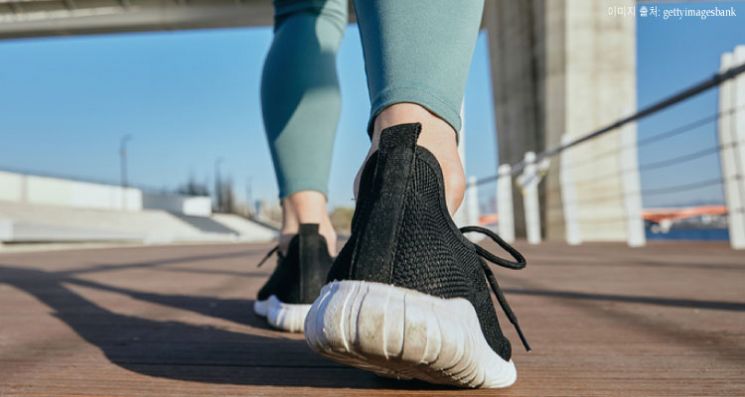
● Correct walking posture and method
- Walk with your chest out and chin slightly tucked, looking 10?15 meters ahead
- Avoid pushing your neck forward or tilting it backward while walking
- Swing your arms naturally back and forth while walking
- Let your shoulders move naturally side to side with your arm movements
- Keep your back and waist straight, walk naturally without excessive hip swaying
- Relax your thigh and waist muscles and walk using your ankles
- If knees are strained, keep them straight and aligned while walking
- Shift your weight starting from the outer heel, moving along the foot edge toward the big toe
- At the moment your sole leaves the ground, lightly push off without exerting force to increase speed
- Keep your back straight to avoid burdening internal organs while walking
- Hold your hands lightly in fists as if holding eggs while walking
- Do not put your hands in your pockets to maintain correct posture
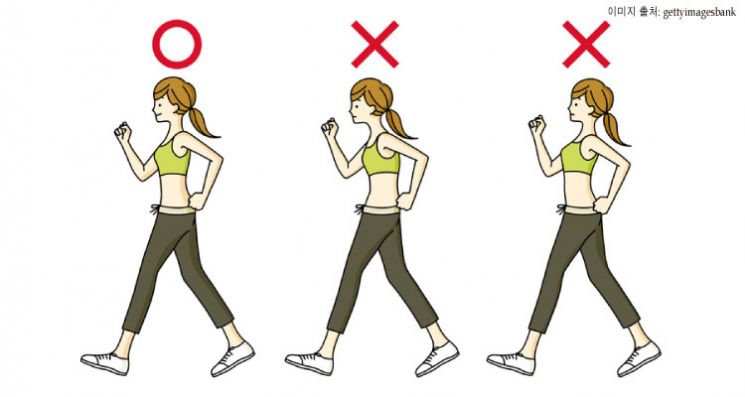
● Appropriate walking time by age
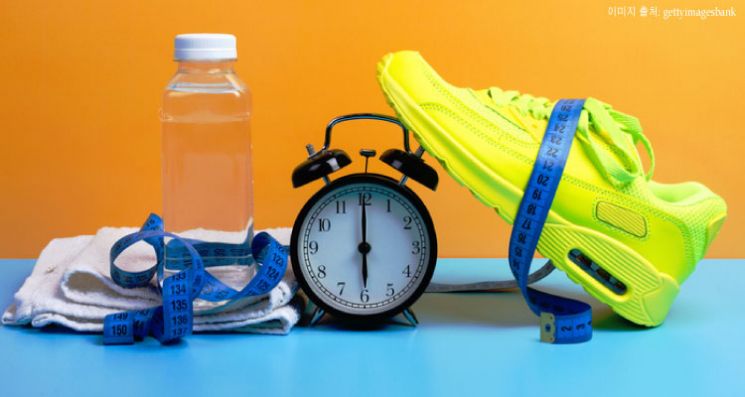
Walking for too long without consideration is not good. Walking time varies depending on age and purpose, so it is important to walk within a range that does not strain your health condition.
▷ 20s?30s: Walk at least 4 times a week for about 30?50 minutes
▷ 40s?50s: Walk at least 3 times a week for about 40 minutes
▷ 60s and above: Walk 3 times a week, light walks of about 30 minutes a day for health maintenance are recommended.
● Diabetes
‘Increase step count and protect feet’
It is good to increase the number of steps by walking for 30 minutes a day with heels touching the ground horizontally at a slightly faster pace. However, since foot problems may occur, it is important to wear cushioned shoes while walking.

● Hypertension
‘Walk slowly and increase walking time’
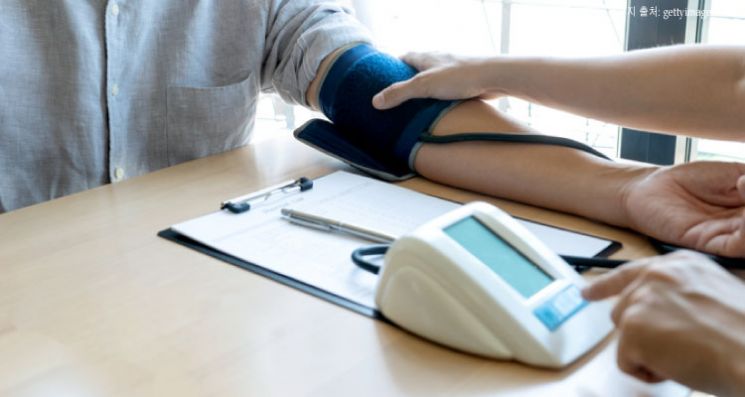
For hypertension, it is important to walk slowly with a large stride using calf muscles. Walking slowly like this dilates peripheral blood vessels, which can help lower blood pressure.
● Arthritis
‘Walk on flat or gentle slopes’
If arthritis is severe, it is better to walk on flat ground without impact rather than stairs or steep slopes. Especially, walking while keeping the upper body fixed and shaking the knees is helpful. If shaking the knees while walking is difficult, try holding onto a wall and practicing shaking the knees to get a feel before applying it to your walking style.

● Back pain
‘Walk with feet in a straight line (11-shaped walk)’
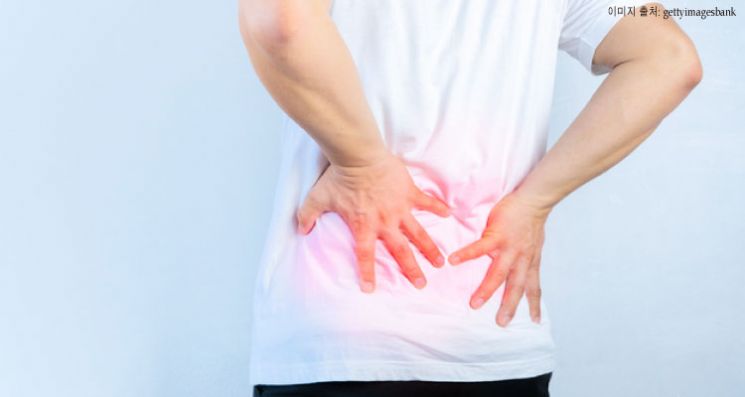
Walking heavily should be avoided because heel-first walking reduces shock to the back. If pain occurs during walking exercise, squatting briefly can help relieve pain. Back pain often occurs when tense, so developing a habit of walking with a wide stride at about 100 steps per minute is good for back health.
● Osteoporosis
‘Walk leisurely in the sunlight’
For patients struggling with osteoporosis, fast aerobic walking should be avoided. Walking slowly and leisurely in the sunlight helps relieve depression and does not strain bone health, making it more beneficial.
● If weight loss is needed?
‘Power walking at an intensity between walking and running’
If weight loss is the goal, power walking at an intensity between walking and running is effective. Especially, power walking with arms bent speeds up the walking pace more than without, increasing exercise effectiveness.

© The Asia Business Daily(www.asiae.co.kr). All rights reserved.



















