[Asia Economy Reporter Lim Hye-seon] As winter fully sets in, many people find their bodies and minds shrinking. During the winter season, managing physical health is important, but it is equally crucial to focus on mental health care. This is because the decrease in sunlight reduces serotonin, known as the "happiness hormone," in the body, and recently, prolonged COVID-19 situations have led to an accumulation of depression across society.
According to a recent study by the Department of Psychiatry at Chonnam National University Hospital, the repeated emergence of variant viruses and the prolonged COVID-19 crisis have caused the number of patients showing depressive symptoms to be five times higher than before the pandemic.
While it is difficult to completely avoid stress in daily life, there are foods that help quickly relieve depression and reduce tension and stress.
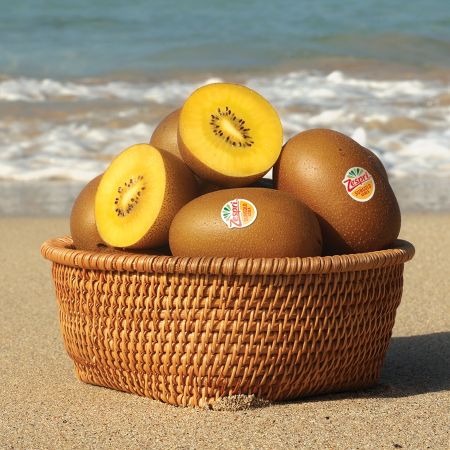
Jeju Gold Kiwi, Rich in Vitamin C and Serotonin
'Zespri Jeju Gold Kiwi' is a fruit beneficial for mood improvement and stress management. The most representative nutrient in gold kiwi, vitamin C, supports normal brain function and relaxes both mind and body, helping to boost energy and relieve tension when experiencing excessive stress or depression.
Vitamin C promotes metabolism in the body and has mood-enhancing effects, helping to alleviate 'burnout symptoms' caused by overwork and stress, thereby supporting a vibrant daily life.
The decrease of serotonin, a neurotransmitter closely linked to mood, negatively affects sleep, leading to a vicious cycle where emotional depression results in insomnia. Gold kiwi is rich in serotonin, known as the happiness hormone, and tryptophan, which promotes serotonin production, aiding in nerve stabilization and sound sleep. In fact, a study conducted by the University of Otago in New Zealand showed that patients with mood disorders who consumed two gold kiwis daily for four weeks experienced a 38% reduction in fatigue, a 34% decrease in depression, and a 31% increase in emotional vitality.
Walnuts, Rich in Melatonin to Improve Insomnia Symptoms
The various nutrients in walnuts help promote sound sleep during winter. Walnuts are rich in melatonin, a substance that induces sleep, helping to alleviate insomnia symptoms. They also support smooth respiratory and intestinal functions, creating a state conducive to comfortable sleep. The magnesium and calcium contained in walnuts relax muscles, making it easier to fall asleep comfortably.
Walnuts are also abundant in omega-3 fatty acids, nutrients that contribute to mood improvement. Omega-3 increases serotonin secretion, aiding in the relief of depression. Since omega-3 fatty acids are not produced by the body, it is beneficial to consume them sufficiently through food.
Mushrooms, Replenishing Vitamin D Deficiency Due to Reduced Sunlight in Winter
Vitamin D, abundant in mushrooms, is synthesized in the body through sunlight and helps regulate mood by aiding the synthesis of serotonin, which prevents depression. A deficiency in vitamin D can lead to depression as well as muscle and bone pain.
During winter, when sunlight decreases and outdoor activities are reduced, vitamin D levels in the body tend to drop, so it is advisable to consume foods rich in vitamin D. Consuming mushrooms, which are rich in vitamin D, can help replenish the reduced vitamin D levels in winter.
Spinach, Rich in Folate to Relieve Stress
Spinach, which becomes sweeter and more nutrient-rich in winter than in other seasons, is an effective vegetable for managing stress during the winter. The folate abundant in spinach produces hormones that relieve stress and calm the mind. Research has shown that increased folate intake is associated with a decreased incidence of depression.
Additionally, the potassium, magnesium, and calcium in spinach help relieve muscle fatigue and contribute to normalizing stress hormones. Magnesium regulates cortisol, a stress hormone, thereby helping to reduce stress. Spinach aids muscle relaxation and stress regulation, contributing to maintaining a normal sleep cycle.
© The Asia Business Daily(www.asiae.co.kr). All rights reserved.
![Clutching a Stolen Dior Bag, Saying "I Hate Being Poor but Real"... The Grotesque Con of a "Human Knockoff" [Slate]](https://cwcontent.asiae.co.kr/asiaresize/183/2026021902243444107_1771435474.jpg)















