Chicken Industry Revisits Price Cards
Live Chicken Wholesale Prices Unchanged for 5 Years
Costs for Oil, Flour, Radish, and Other Ingredients Rise
Delivery Fees Gain Importance Due to COVID-19
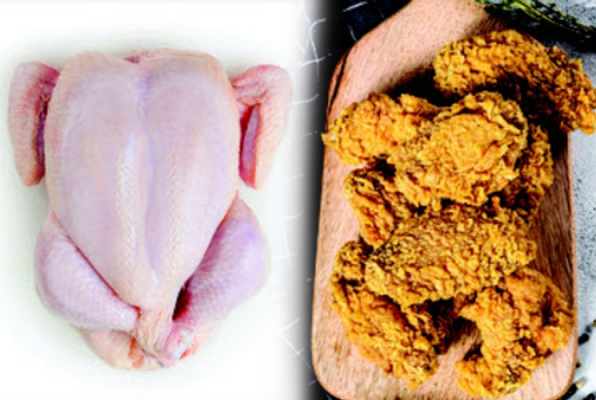
[Asia Economy Reporter Lim Hye-seon] The era of "20,000 won chicken" has become a reality. Last month, Kyochon Chicken raised the price of chicken by 1,000 to 2,000 won per whole chicken for the first time in seven years, and franchise companies such as bhc and BBQ are also weighing the timing of price increases within this year.
Chicken is considered one of the representative items that affect the perceived cost of living for the working class, along with ramen. In 2017, when chicken companies tried to raise the price of fried chicken, which was around 16,000 won at the time, to about 18,000 won all at once, they faced strong public backlash. The Fair Trade Commission even launched an investigation into price collusion, leading the companies to withdraw their price hike plans. But why are they bringing up the price increase card again after four years? The companies unanimously point to strong demands from franchise owners. They claim that not only have raw material prices risen, but labor costs and delivery app commission fees have also increased, leaving them with virtually no profit margin.

Raw chicken prices remain unchanged, but flour and cooking oil prices rise
On the 9th, Asia Economy examined the chicken price structure of several chicken franchise companies and found that the cost of raw materials, including raw chicken, accounts for about half of the total chicken price.
First, the price of raw chicken, the main ingredient, has remained virtually unchanged for five years. According to the Livestock Products Quality Evaluation Institute, the wholesale price of raw chicken supplied to franchise companies was 2,847 won as of the previous day (excluding brining, cutting, and packaging fees). This is even cheaper than the same period last year (3,021 won). Five years ago, in 2017, the price of raw chicken was also around 2,500 to 3,000 won. A representative from the slaughtering industry explained, "The price of raw chicken supplied to franchises has hardly changed over the past 10 years," adding, "The market price of raw chicken is unrelated to the rise in chicken prices."
Raw chicken prices increase as the franchise headquarters process the chicken. Generally, slaughterhouses perform primary processing such as brining and cutting according to the franchise headquarters' requirements, and including logistics costs, the franchise headquarters supply one whole chicken to franchise stores at about 5,000 won.
On the other hand, the international price of soybean oil (soybean cooking oil) has more than doubled this year. International grain prices such as wheat have also hit their highest levels in 10 years. Additionally, the cost of secondary ingredients such as powder (flour, etc.), sauce, and oil used to coat the chicken is about 3,000 won. About 1,000 won is also spent on radish and packaging materials. For franchise owners, this means paying the headquarters 55% of the chicken selling price (11,000 won), including a 10% value-added tax, as material costs.
Delivery fees continue to rise amid the COVID-19 pandemic
Moreover, labor costs for store operation, monthly rent of several million won, and electricity bills must also be included. The proportion of delivery fees in the chicken price has also increased. Since the spread of COVID-19, demand for food delivery has increased, causing delivery fees to continue rising. The food service industry explains that delivery agencies have raised their base fees by 200 to 500 won per order this month as well. Combining the delivery order brokerage fee (2,000 won) and delivery agency fee (4,000 won) amounts to 6,000 won.
A chicken industry official said, "Due to years of accumulated labor cost increases and commission burdens, improving franchise store profitability is necessary," adding, "On the ground, there is a claim that prices need to be raised by at least 4,000 won."
© The Asia Business Daily(www.asiae.co.kr). All rights reserved.
![Clutching a Stolen Dior Bag, Saying "I Hate Being Poor but Real"... The Grotesque Con of a "Human Knockoff" [Slate]](https://cwcontent.asiae.co.kr/asiaresize/183/2026021902243444107_1771435474.jpg)
















