[Seoul District News] Yangcheon-gu Forms Startup Support Fund through Partnership with Evergreen Investment Partners, Plans to Invest at Least 2 Billion KRW in Local Companies This Year... Gangnam-gu Hosts 'Youth Robot AI Camp'... Gwanak-gu Recruits 160 University Students for Hope Jobs... Dongjak-gu Opens 'Sangdo 4-dong Our Neighborhood Care Center'... Eunpyeong-gu Receives Roger Shepard's 'Baekdusan Cheonji' Photo Donation... Songpa-gu Creates 370-Pyeong Dog Playground Using Garak-dong Tancheon Retention Basin Space... Seocho-gu, Seocho-daero
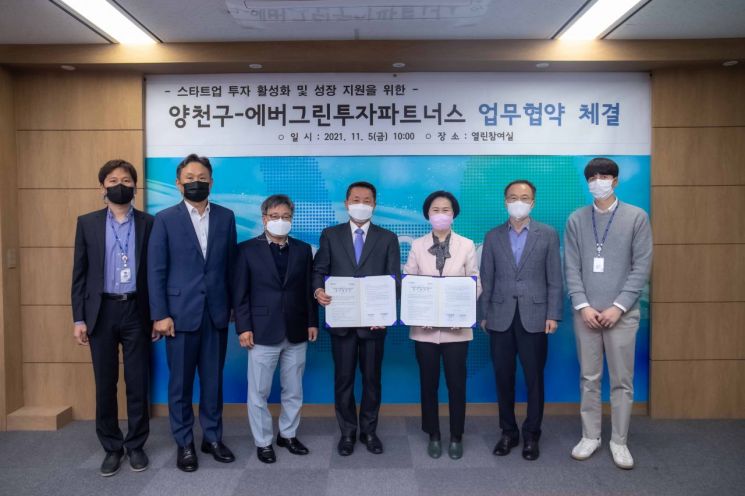 Yangcheon-gu ? Evergreen Investment Partners Business Agreement Ceremony for Establishing a Startup Support Fund
[Asia Economy Reporter Park Jong-il] Yangcheon-gu (Mayor Kim Soo-young) is establishing a startup support fund worth 43 billion KRW to create a foundation for startups and foster and attract startups in the region.
To this end, on the 5th, Yangcheon-gu signed a business agreement for the establishment of the startup support fund at the district office, attended by Kim Soo-young, Mayor of Yangcheon-gu, and Hong Jong-guk, CEO of Evergreen Investment Partners, selected as the executive union member.
Through this agreement, the two organizations agreed to discover and nurture promising startups to secure a foundation for job creation and the growth of innovative companies in Yangcheon-gu.
The fund size far exceeds the initial target amount of 10 billion KRW, reaching 43 billion KRW. Major union members include the Korea Fund of Funds, Yangcheon-gu, Seoul City, Incheon Metropolitan City, financial institutions, universities, and general corporations participating as limited partners.
More than 200% (over 2 billion KRW) of Yangcheon-gu's investment of 1 billion KRW will be mandatorily invested in companies located in Yangcheon-gu to promote the growth and settlement of local companies.
Investments are planned to start within the year, with investment and recovery conducted over eight years to allow startups to focus on technology development and operate stably.
Yangcheon-gu plans to create the 'Small and Medium Venture Business Innovation Growth Valley' as an innovative space that will serve as an advanced base leading the Fourth Industrial Revolution era by concentrating research, startups, and corporate ecosystems above the Mokdong detention basin. The district expects the startup support fund to serve as a catalyst for this project through this agreement.
Kim Soo-young, Mayor of Yangcheon-gu, said, "Along with indirect support mainly through loans, we will develop new growth engines responsible for future food sources by activating startups and creating jobs through direct investment in startups by establishing a fund, thereby driving the local economy."
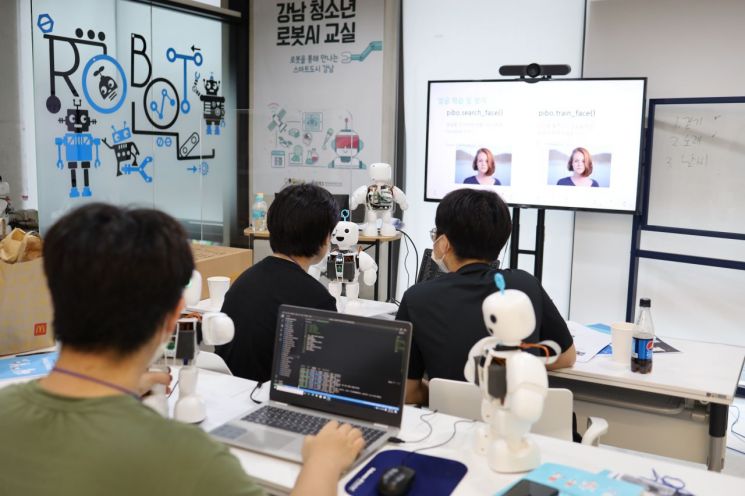
Gangnam-gu (Mayor Jung Soon-gyun) will hold a 'Robot AI Camp' twice on the 13th-14th and 20th-21st for local youth interested in artificial intelligence robots.
This event is held under the concept of 'Smart City Gangnam through Robots,' with doctoral-level researchers and corporate developers participating as instructors. Participating youth can experience the role of actual robot developers.
At the 'Mobile Robot Camp' for high school students on the 13th-14th, participants will create a deep learning autonomous driving model using the NVIDIA AI development kit. At the 'Social Robot Camp' for middle and high school students on the 20th-21st, participants will learn robot motion principles and sensor functions using the Paibo robot and create their own robots.
Details can be found on the Gangnam-gu Office website and the Korea Institute of Robot Convergence website, with online applications accepted until the 17th.
Jung Soon-gyun, Mayor of Gangnam-gu, said, "'Ontact Leader Gangnam' is becoming a 'Smart City' that provides the best smart services to residents, businesses, and tourists alike. In the era of the Fourth Industrial Revolution, we will establish a research base for the robot industry in the Suseo Station area to make Gangnam a new growth engine."
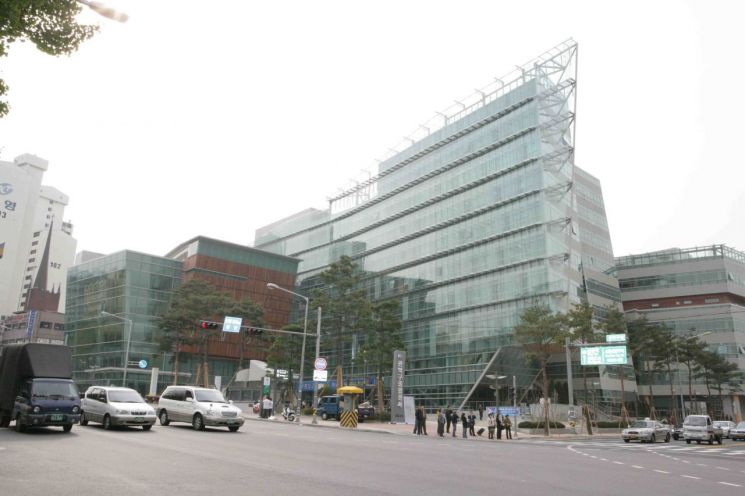
Gwanak-gu (Mayor Park Jun-hee) is recruiting participants for the Hope Job program targeting university (graduate school) students residing in the area to further invigorate the local economy.
The recruitment period is until the 10th, and residents wishing to participate can visit their local community service center with an ID card, September health insurance payment confirmation, and university (graduate school) enrollment or leave of absence certificate to apply.
Eligibility is for university (graduate school) students residing in Gwanak-gu, with priority given to vulnerable employment groups based on resident registration.
The program period is one month from December 1 to 31, with a 5-day workweek, 5 hours per day, enrollment in the four major insurances, paid holidays, and weekly holiday allowances provided.
Selected participants will be assigned to various district office departments and community service centers to gain diverse job experience, including administrative assistance and COVID-19 emergency support tasks.
The district will select final participants after screening and notify results on the 26th.
For more details on the university (graduate school) student Hope Job program, refer to the Gwanak-gu Office website (News → Recruitment Notices) or contact the Dasan Call Center, Gwanak-gu Job Venture Division, or local community service centers.
This year, the district is making efforts to provide various public jobs to overcome the local economic downturn caused by COVID-19, selecting 790 for Safe Jobs (public work), 712 for Hope Work (1st supplementary budget), 1,640 for Hope Jobs (2nd supplementary budget), 280 for local quarantine jobs, and 53 for local community projects, totaling 3,475 participants across five projects.
An official from the district said, "We aim to expand the Hope Job program for university (graduate school) students ahead of the winter break to provide students with job experience opportunities and will continue to strive to create various public jobs."
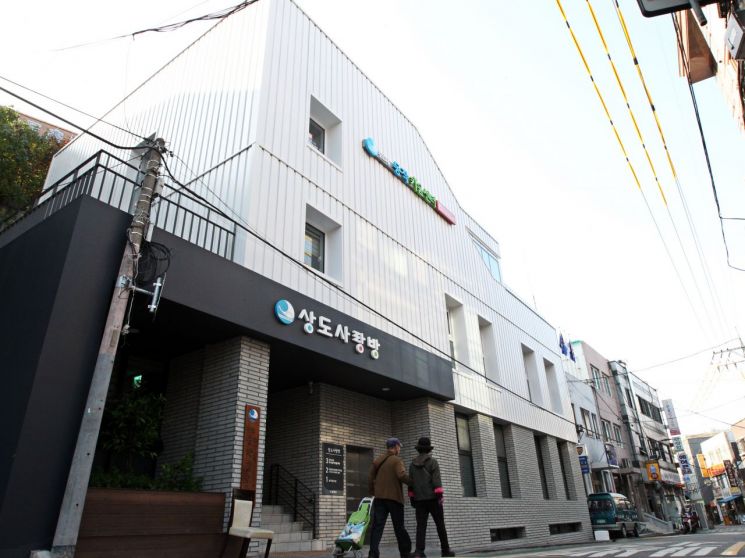
Dongjak-gu (Mayor Lee Chang-woo) will open the 'Sangdo 4-dong Our Neighborhood Care Center (53 Seongdaero 29-gil, 3rd floor)' providing after-school care services for elementary school students on the 15th.
The district is expanding care centers aiming for one center per neighborhood to respond to changes in parenting environments such as increased dual-income families and to alleviate parents' concerns about after-school care gaps.
Starting with the first center 'Noryangjin 2-dong Our Neighborhood Care Center' in June 2019, the district has expanded to the 11th center, 'Sangdo 4-dong Our Neighborhood Care Center,' located within a 10-minute walk from homes and schools, strengthening the local care facility infrastructure.
A parent using the third center 'Sadang 5-dong Our Neighborhood Care Center' said, "When my child entered elementary school, I was worried about after-school care, but I learned about the care center. They provide care and learning guidance, and my child enjoys participating in various programs like origami."
The newly opened 'Sangdo 4-dong Our Neighborhood Care Center' was created by remodeling the old Sangdo 4-dong community center building and is a multi-generational integrated complex facility accessible to all generations from the care center to the senior citizens' center.
Located on the third floor, the care center covers about 51 pyeong (169.78㎡) and includes a program room and an activity room where children can play freely.
The center director and full-time teachers will reside on-site, operating various programs such as experiential learning and physical activities to ensure children have enjoyable care time after school.
All families needing care can use the center regardless of income level, from 1 PM to 7 PM during semesters and 9 AM to 6 PM during vacations.
The usage fee is 50,000 KRW per month, including snacks, with meal fees during vacations charged separately.
Applications can be made through the Our Neighborhood Care Portal or by visiting the center. For details, contact the Dongjak-gu Office Child and Youth Division.
Park Joo-il, Head of the Child and Youth Division, said, "We will do our best to establish a care environment providing a safe space and quality care services where parents can entrust their children with peace of mind, aiming for one care center per neighborhood."
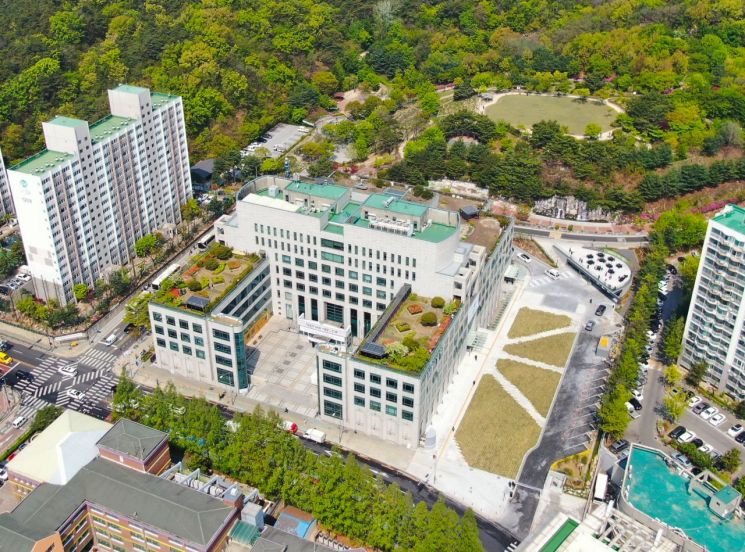
Jungnang-gu (Mayor Ryu Kyung-gi) announced that as of the end of October, local residents' donations of local tax refunds to the Jungnang Scholarship Fund have exceeded 20 million KRW.
Since 2013, the district has continued a project to allocate local tax refunds to the Jungnang Scholarship Fund. Local tax refunds mainly arise from the sale or scrapping of vehicles with prepaid automobile tax or adjustments in local income tax due to national tax corrections. Due to a lack of interest in small refund amounts, with 92.7% of unclaimed refunds being under 50,000 KRW, the district devised a way to donate these refunds to the scholarship fund.
Since the project began, residents have taken interest in small amounts of a few hundred or thousand KRW and started donating to the scholarship fund to help local youth not give up on education due to financial difficulties. From January last year to the end of October this year, 1,032 people donated 7.71 million KRW, and since the project's inception, a total of 2,640 residents have participated, raising about 20.3 million KRW.
Ryu Kyung-gi, Mayor of Jungnang-gu, said, "We sincerely thank residents who have gathered warm hearts through local tax refund donations despite difficulties caused by COVID-19. Your generosity will greatly help local youth maintain hope and pursue their dreams."
From this month, it has become easier and faster to apply for or donate local tax refunds. In addition to existing methods such as phone and in-person applications, the district has started a refund application service via KakaoTalk. Refund recipients who receive a refund notice can search 'Jungnang-gu Local Tax Refund' on KakaoTalk and apply for a refund or donation by sending their refund number, name, and account number via one-on-one chat.
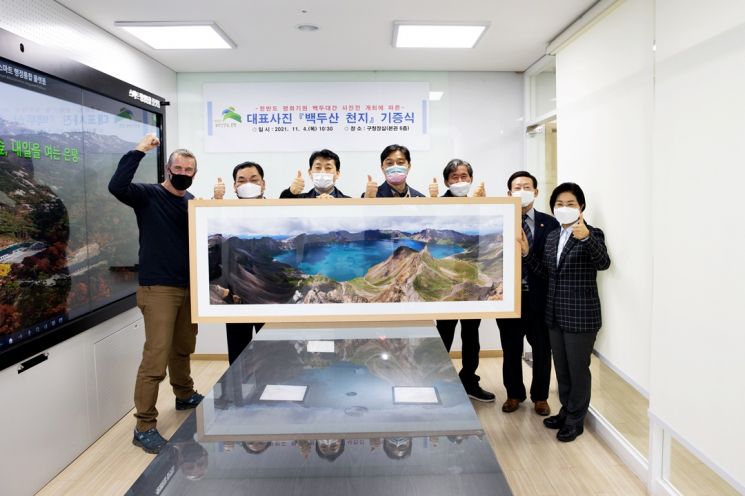
Eunpyeong-gu (Mayor Kim Mi-kyung) announced on the 4th that it received a photo artwork titled 'Baekdusan Cheonji' from Roger Shepherd, the first foreign photographer to traverse the Baekdudaegan mountain range.
Roger Shepherd is a New Zealander who was the first foreigner to traverse the Baekdudaegan mountain range in both South and North Korea. In 2007, he traversed the southern Baekdudaegan over about 90 days, and in 2011, with North Korea's cooperation, he successfully climbed the northern Baekdudaegan 12 times. He also held a photo exhibition at the Pyongyang People's Study Hall in 2015 and has since held several exhibitions in Korea, gaining attention.
Earlier, on the 2nd, the district held a photo exhibition titled 'Praying for Peace on the Korean Peninsula - Connected Baekdudaegan' in the lobby of Eunpyeong-gu Office's first floor, scheduled to run until the 12th. The donation ceremony for the 'Baekdusan Cheonji' photo artwork was held alongside the exhibition to raise awareness and promote peace on the Korean Peninsula.
The 'Praying for Peace on the Korean Peninsula - Connected Baekdudaegan' exhibition has been held three times as a traveling exhibition, starting in June at Innovation Park's Sangsangcheong, then at Samgaksan Geumam Art Museum in July-August, and currently at Eunpyeong-gu Office's first-floor lobby. The Samgaksan Geumam Art Museum, located in the Bukhan Mountain Korean Culture Experience Special Zone, was well received for naturally blending the consensus for peaceful unification, leading to an extended exhibition period of six weeks, concluding successfully.
Photographer Roger Shepherd said, "The 'Baekdusan Cheonji' photos I took while traversing the entire Baekdudaegan in both South and North Korea will surely allow residents to feel that the Baekdudaegan is one land and provide a meaningful opportunity to raise awareness of peace and unification. It contains the people's wish for progress in peace and dialogue on the Korean Peninsula, so I ask for much interest."
Kim Mi-kyung, Mayor of Eunpyeong-gu, said, "We deeply appreciate photographer Roger Shepherd and the National Institute of Korean History for emphasizing and working hard for peace and unification. We hope residents will have a valuable time feeling the necessity of peace and unification through the exhibited 'Baekdusan Cheonji' artwork."
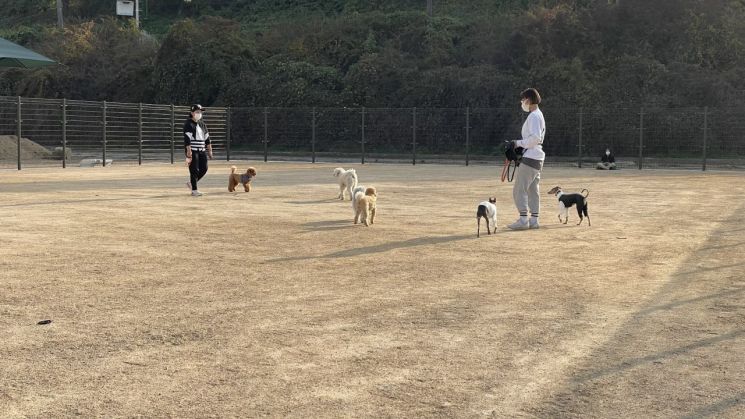
A dedicated space where pet owners and their dogs can freely interact and run has been established in Songpa-gu.
Songpa-gu (Mayor Park Sung-soo) announced on the 8th that it has created the 'Songpa Pet Dog Playground' with a total area of 370 pyeong (1,221㎡) by utilizing idle space within the Tancheon detention basin (508 Garak-dong).
The 'Songpa Pet Dog Playground' is divided into sections for small and medium-sized dogs (200 pyeong) and large dogs (170 pyeong). The entrance doors are double doors to prevent accidents, and safety net fences are installed.
Additionally, convenience facilities such as shade tents, management offices, information boards, and CCTV are provided for pet owners.
The playground is open to anyone, operating from Tuesday to Sunday, 10 AM to 5 PM, excluding regular closure on Mondays. Only registered dogs and their owners may enter, and five types of dangerous dogs or sick dogs are prohibited.
The district expects the playground to provide convenience to residents with dogs and contribute to establishing a proper pet culture by improving residents' awareness of animal love.
Park Sung-soo, Mayor of Songpa-gu, said, "With the increasing number of households raising pets, we hope the 'Songpa Pet Dog Playground' will help establish a proper pet culture. We will continue efforts to enhance animal welfare so residents can spend safe and happy times with their dogs."
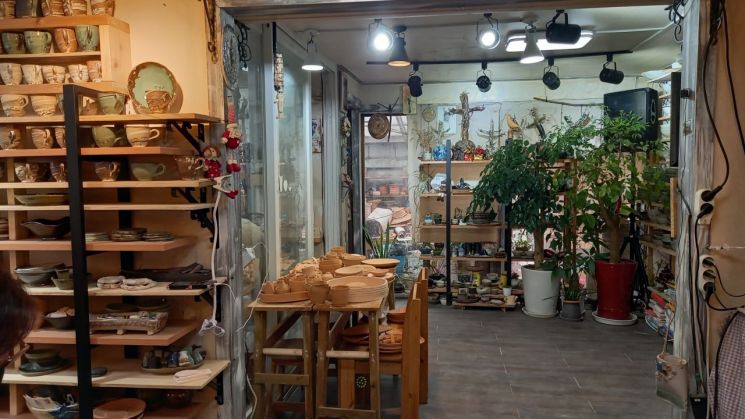
Gangbuk-gu (Mayor Park Kyum-soo) is holding 'Culture It Day' events throughout the district until the end of this month.
'Culture It Day' is a cultural and artistic program planned and created with residents, aiming to discover local cultural artists working behind the scenes.
It also aims to expand opportunities for residents to enjoy culture and arts. The festival slogan is 'The Day Connecting Culture, Art, and People.'
The event is divided into four fields: space, artists, music, and video production. Resident working groups lead the content composition and operation by business area to secure originality and cultural consensus.
In the space field, young artist creative groups like Ssac and the Gangbuk Theater Association participate. Performances are held in unique spaces such as imaginary zero-gravity stages and music practice rooms. Artists offer craft classes sharing their talents, with small-scale free experiences in leather, ceramics, pottery, flowers, and related workshops. Mime troupes, cajon and handpan performers, and traditional Korean music bands also perform street shows. Details on classes and venues are available on the It Day website.
The district plans to produce documentaries of local cultural artists and spaces, storing them in a video archive. QR code information boards have been installed around the district to view the videos. All videos of performances and craft classes from 'Culture It Day' are available on the Gangbuk-gu YouTube channel.
Park Kyum-soo, Mayor of Gangbuk-gu, said, "Throughout November, cultural and artistic events will open in everyday life. We hope it will become a representative neighborhood festival led by residents."
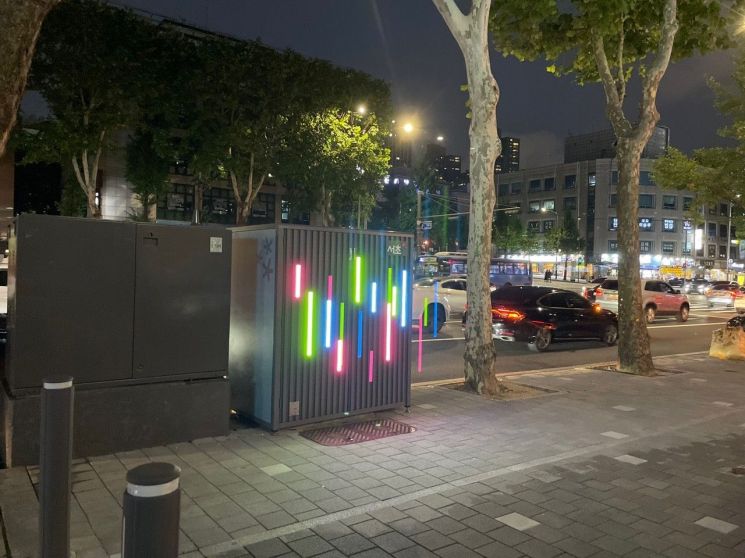
Roadside distribution boxes in Seocho-gu, which have been an eyesore harming urban aesthetics, are being transformed into design facilities.
Seocho-gu (Mayor Cho Eun-hee) announced that it will complete the application of Seocho-style public design to 33 distribution boxes along a 3 km section of Seocho-daero (Seocho Station to Naebang Station to Isu Station) by the end of this month.
In August, the district piloted design application on seven distribution boxes near Seocho-daero, resulting in a significant reduction in illegal advertisements and unauthorized garbage, prompting further design improvements.
The design features simple line forms harmonizing with surrounding office buildings and incorporates the Seocho-gu BI, enhancing urban aesthetics. LED lighting is installed for functionality, operating from 7 PM to midnight in summer and 6 PM to midnight in winter.
The district plans to continue renovating distribution boxes annually until 2027.
An official said, "Transforming inconvenient facilities with friendly designs creates walkable streets. We hope the 'Seocho-style distribution box standard design' contributes to a city environment where everyone wants to walk."
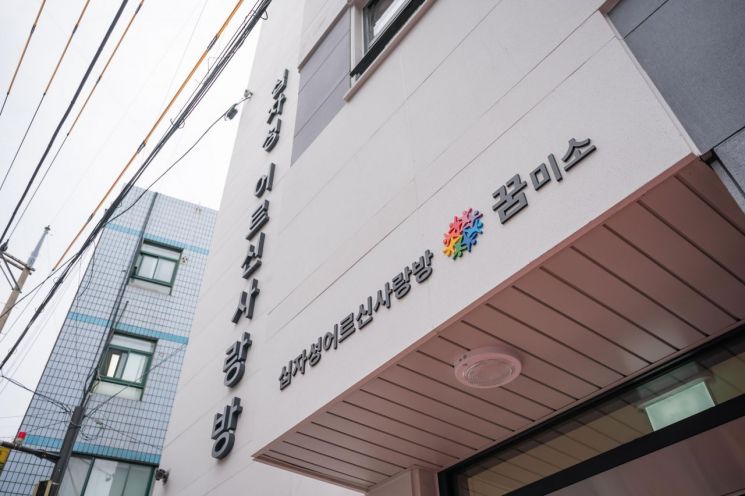
Gangdong-gu (Mayor Lee Jung-hoon) opened the 9th branch of the shared space 'Kkum Miso' on the 4th for elementary school students concerned about after-school care gaps.
'Kkum Miso' is a shared space between generations 1 and 3, using senior citizens' centers that are empty in the afternoon as exclusive spaces for children and youth under 18 (excluding infants) from 5 PM to 10 PM after seniors return home. Usage is free.
Currently, eight branches are operating, and the 9th branch opened in the newly relocated Cheonho 1-dong Public Cross-shaped Senior Love Room on the 3rd floor this November.
Unlike other child and youth welfare facilities, 'Kkum Miso' is an open space without admission procedures, fostering continuous intergenerational relationships through programs shared by seniors and children and youth, fulfilling the role of a shared space between generations 1 and 3.
The 9th branch has been renovated considering safety and convenience for seniors and children, including elevator installation and eco-friendly space creation. It will operate various programs based on community and children's opinions, supporting child autonomy activities and specialized programs.
Lee Jung-hoon, Mayor of Gangdong-gu, said, "Although child care facilities were somewhat lacking in Cheonho 1-dong, the opening of the 9th 'Kkum Miso' branch will help alleviate care blind spots in the community. We will continue to add care facilities to create a safe and happy Gangdong-gu for children."
Following branches in Gildong, Cheonho, Amsa, and Myeongil, the 'Kkum Miso' child autonomy centers have expanded to nine branches, with preparations underway to open an additional branch in Dunchon by December and plans to operate 12 branches by 2022.
Gwangjin-gu (Mayor Kim Seon-gap) is conducting free pneumococcal 23-valent vaccination for seniors aged 65 and older.
Invasive pneumococcal infections (such as pneumonia with bacteremia and meningitis) caused by pneumococcus can be life-threatening, with a 60% mortality rate for bacteremia and 80% for meningitis.
Vaccination against pneumococcus can prevent serious complications by 50-80% with a single lifetime dose for those aged 65 and older and also helps prevent complications from COVID-19 infection.
The target group is seniors aged 65 or older (born before December 31, 1956). Those vaccinated before 65 should receive an additional dose after five years upon reaching 65.
The vaccination is free, and seniors can visit any of the 109 designated medical institutions in the area with their ID card.
Designated medical institutions can be checked on the Vaccination Helper website and the health center website. Visitors should confirm vaccination availability before visiting.
For immunocompromised or chronic disease patients, a paid 13-valent pneumococcal vaccine is recommended after consultation, with a one-year interval required between the 23-valent and 13-valent vaccines. For inquiries, contact the Gwangjin-gu Health Center Vaccination Office.
Kim Seon-gap, Mayor of Gwangjin-gu, said, "Pneumococcus is a respiratory disease like COVID-19, making it difficult to distinguish when infected. Given the COVID-19 situation, seniors are strongly encouraged to get vaccinated for their health."
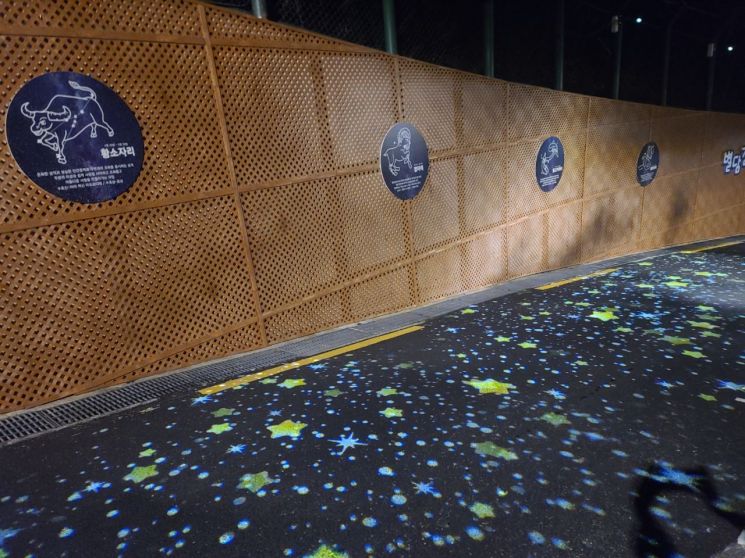
Gangseo-gu, Seoul (Mayor Roh Hyun-song) has designated the areas of Hwagok 4-dong and Deungchon 2-dong as 'Safe Living Design Villages.'
This initiative aims to enable residents to live safely and cleanly, free from disasters and crimes.
'Safe Living Design' applies CPTED (Crime Prevention Through Environmental Design) to residential areas with poor living environments and high risks of crime and accidents.
Gangseo-gu has gone further than traditional CPTED by creating customized 'Safe Villages' considering local characteristics.
Hwagok 4-dong, a densely populated area of multi-family and row houses, had many reports of juvenile delinquency and simple theft in secluded villa areas.
Deungchon 2-dong had many dark alleys near schools, frequent police patrol requests, and many crime-vulnerable houses lacking or damaged security bars, necessitating environmental improvements for residents' safety.
Accordingly, the district formed a TF team with resident representatives, private committee members, and Gangseo Police Station, starting the safe living design village project in June.
During the project, the district worked with resident leaders and governance committees to inspect sites, explain the project, and gather opinions to ensure residents' consensus on environmental improvements.
The TF team selected focused project areas through field surveys and meetings, sharing progress and actively reflecting residents' opinions to implement customized 'Safe Villages.'
In Hwagok 4-dong, mirror sheets, safety convex mirrors, anti-adhesive advertisement sheets, and garbage disposal guidance signs were installed to create a safe and pleasant residential environment.
In Deungchon 2-dong, special fluorescent materials were applied to low-rise houses. These materials are invisible under normal light but reveal fingerprints and footprints under UV light, aiding criminal investigations.
Warning signs indicating the area as a crime prevention village were installed at key points to deter crime.
Additionally, safety maps and high-intensity lighting were installed on major school routes in areas such as San 89-4 Deungchon-dong and 498 Hwagok-dong to ensure students' safety at night.
After project completion, the district will conduct satisfaction surveys among residents and maintain installed facilities to prevent accidents and ensure a pleasant living environment.
Roh Hyun-song, Mayor of Gangseo-gu, said, "We hope the safe village created based on residents' opinions will allow them to live more securely. We will continue to strengthen safety infrastructure to make Gangseo-gu a safe place where anyone can live with peace of mind."

Yangcheon-gu (Mayor Kim Soo-young) has launched an intensive promotion campaign for 'Bojogeum 24,' a one-stop service that allows residents to easily and conveniently check various government benefits.
'Bojogeum 24' is a customized guidance service that enables users to check and apply for government benefits they are eligible for by logging into the Government24 website once, without visiting community service centers or multiple ministry websites. It has been fully implemented nationwide since April this year.
Currently, after logging into the Government24 website and consenting to service use once, users can check about 300 central government beneficiary services. By the end of the year, the service will expand stepwise to include local governments and public institutions' subsidy projects.
For digitally marginalized groups who find online methods difficult, customized guidance services are available by visiting nearby community service centers with an ID card.
Yangcheon-gu plans to intensively promote 'Bojogeum 24' through various media, including the Yangcheon-gu Office website, SNS, newsletters, bulletin boards, and IPTV within district and community offices.
Kim Soo-young, Mayor of Yangcheon-gu, said, "We will actively promote Bojogeum 24 to ensure no one misses out on various government benefits and that more residents can easily and conveniently enjoy beneficiary services."
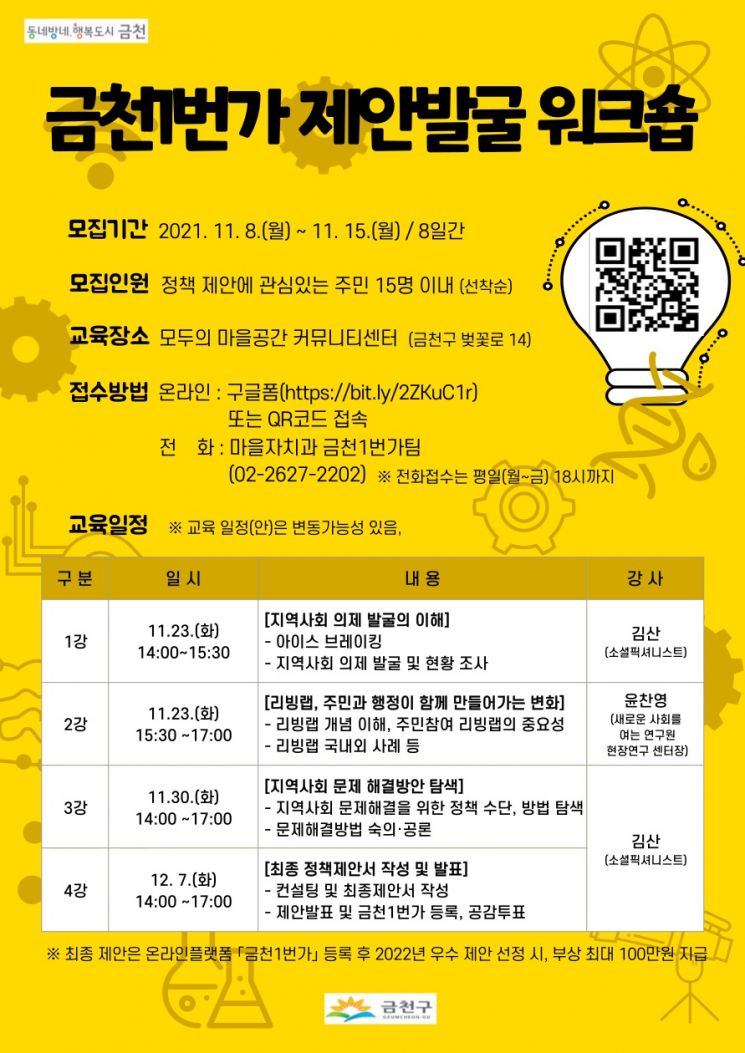
Geumcheon-gu (Mayor Yoo Sung-hoon) announced it will recruit participants for the 'Geumcheon 1st Street Proposal Discovery Workshop' from November 8 to 15 for eight days.
The workshop is a program planned by Geumcheon-gu to promote residents' policy participation. Participants will discover and propose local community issues, engaging in policy proposal processes.
The workshop will be held every Tuesday for three weeks from November 23 to December 7 at 'Everyone's Village Space Community Center (14 Beotkkot-ro, Geumcheon-gu).'
The program includes 'Understanding Policy Proposal Discovery for Community Problem Solving' by social fictionist Kim San and 'Understanding Living Labs' by Yoon Chan-young, director of the Field Research Center at the New Society Opening Institute. It covers understanding community issue discovery, living labs as changes co-created by residents and administration, exploring solutions to community problems, and final policy proposal writing and presentation.
Geumcheon-gu will register policy proposals discovered during the workshop on the online resident participation platform 'Geumcheon 1st Street,' where residents can vote to consider policy reflection. Outstanding proposals will receive awards and prizes.
Any resident interested in policy proposals can participate. Applications can be made via Google form or by phone to the district's Village Autonomy Division. Participation is limited to 15 people on a first-come, first-served basis.
Yoo Sung-hoon, Mayor of Geumcheon-gu, said, "We hope participants will reflect on local issues and proposals through this workshop and develop interest in policy participation. We will prepare a fruitful workshop to discover various proposals that residents can empathize with."
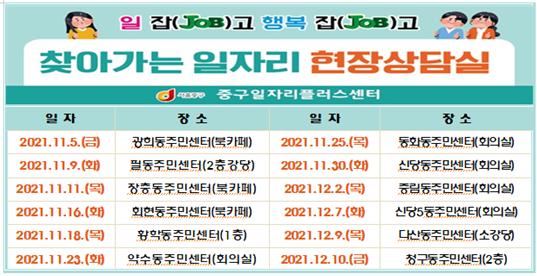
Jung-gu (Mayor Seo Yang-ho) is operating a 'Visiting Job Counseling Office' where professional job counselors visit community service centers to provide employment counseling in line with the phased transition to daily life recovery.
Due to the prolonged social distancing caused by COVID-19, job counseling had been limited to face-to-face or non-face-to-face methods. With the change in quarantine system, the district aims to conduct one-on-one face-to-face counseling at community service centers, which are easily accessible to residents.
The operation period is from November 5 to December 10, held every Tuesday and Thursday from 1:30 PM to 4 PM at 12 community centers according to each center's schedule. (Operating hours may change depending on COVID-19 conditions.)
Counseling targets job seekers who had difficulty visiting the district job center due to social distancing, elderly vulnerable to online job searching, and visitors to community centers.
Through customized in-depth counseling, job seekers will be matched with jobs considering aptitude and interests and linked to employment competency enhancement education programs.
Information on job seekers visiting the counseling office will be databased for systematic management and registered in employment information systems for timely matching.
For details, contact the Jung-gu Office Urban Industry Division, Jung-gu Job Plus Center, or local community service centers.
From the 15th, a three-day basic security guard training will be held for middle-aged and older job seekers in the district. The training is essential for employment as a security guard, fully funded by the district.
The training includes Security Services Act, escort security practice, crime prevention theory, and occupational ethics service, totaling 24 hours over three days. Applications are accepted until the 12th by submitting required documents (job application, personal information consent, etc.) to the Job Plus Center on the first floor of the annex building. The number of trainees is limited to 30 on a first-come, first-served basis.
Additionally, the district's startup incubator and makerspace, Eulji Unique Factory, will conduct video production, smart device editing, and Premiere editing training for Jung-gu residents and Dongguk University students from the 18th to December 11. For details, contact Eulji Unique Factory.
Seo Yang-ho, Mayor of Jung-gu, said, "We will continue to implement stable and sustainable job policies so that daily life recovery leads to economic recovery for our residents who have endured the unprecedented COVID-19 crisis."

The price of 10 kg of cabbage is 7,030 KRW, 5 kg of coarse salt is 10,245 KRW, and 1 kg of peeled garlic is 13,339 KRW, according to the Korea Agro-Fisheries & Food Trade Corporation's Agricultural Products Distribution Information System (KAMIS) as of the 3rd.
These prices represent increases of 77.1% for cabbage, 31.2% for coarse salt, and 30.1% for peeled garlic compared to the same period last year.
Mapo-gu (Mayor Yoo Dong-gyun) opened an online direct transaction market for kimchi-making season to supply residents with inexpensive and high-quality specialty products from sister cities in preparation for soaring kimchi-making prices.
The market includes eight cities: Gochang-gun, Sinan-gun, Yecheon-gun, Cheongyang-gun, Namhae-gun, and continuing participants Gokseong-gun, Pyeongchang-gun, and Yeongwol-gun, maintaining urban-rural exchanges.
Products sold include salted cabbage, red pepper powder, solar salt, salted shrimp, various kimchi vegetables and salted seafood, as well as fresh local specialties like apples and garlic.
The kimchi-making direct transaction market has been held annually at Mapo-gu Office Plaza without middle distribution steps, allowing purchases 10-30% cheaper than market prices. However, it was not held last year due to COVID-19, disappointing many residents.
Full-time housewife Lee Seong-mi (pseudonym), who has used the market annually, said, "With soaring grocery prices, I considered skipping kimchi-making this year, but I was glad to hear Mapo-gu connects us directly with production areas, so I am preparing kimchi."
Those wishing to purchase can check product lists on the Mapo-gu Office website under Mapo News → Cultural Events → 2021 Kimchi Season Agricultural Specialty Direct Market or from promotional materials at community centers and order by phone to the Mapo-gu Regional Economy Division.
Orders are accepted from November 8 to 12, with parcel shipments made sequentially from November 9 to 30.
Yoo Dong-gyun, Mayor of Mapo-gu, said, "The kimchi-making agricultural direct transaction market will provide sales channels to farmers struggling due to COVID-19. It is a good opportunity for residents to purchase quality food at reasonable prices, so we encourage active participation."
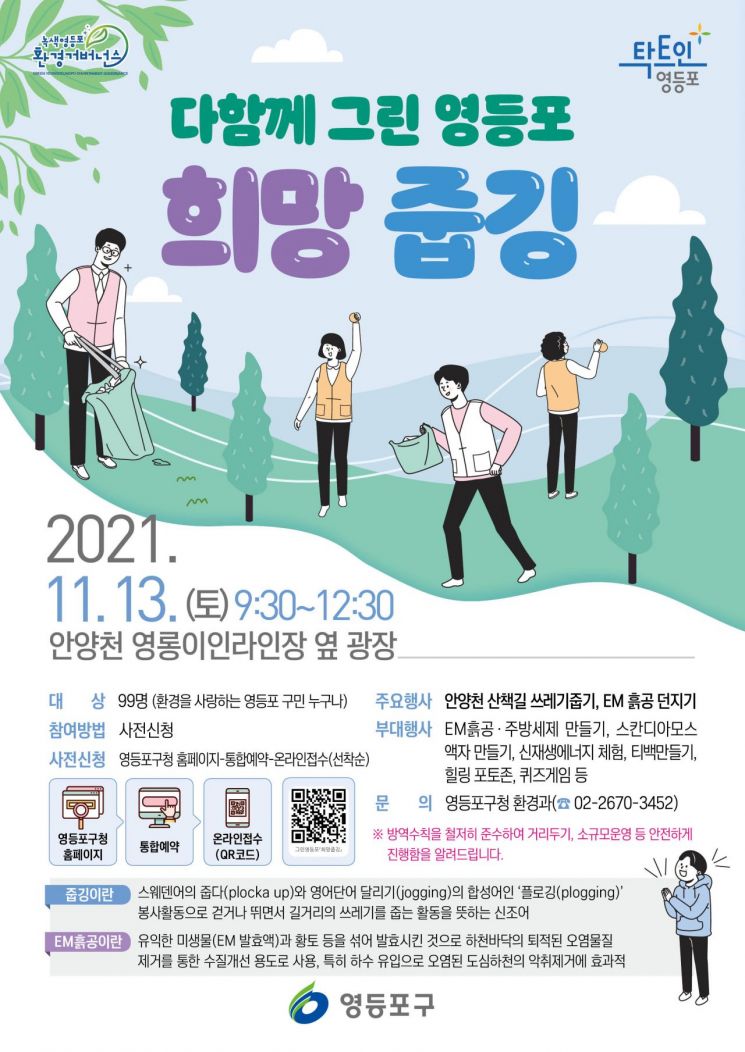
Yeongdeungpo-gu (Mayor Chae Hyun-il) announced it will hold 'Together Green Yeongdeungpo Hope Plogging' on November 13, combining environmental protection with exercise.
This event is part of the 'Green Yeongdeungpo Environmental Governance' lifestyle environmental protection practice project, designed to raise awareness of the climate crisis and promote volunteerism and its habitual practice through an environmental protection campaign involving all generations.
'Plogging,' a neologism combining the Korean word 'to pick up' and the English word 'jogging,' refers to the activity of picking up trash while walking.
Recently, many local governments have held various plogging-themed events to create pleasant walking paths and protect the environment.
On November 13, participants who pre-registered via the Yeongdeungpo-gu website and residents will walk along the Anyangcheon trail, picking up trash and throwing EM soil balls from Sinjeong Underwater Bridge, among other side events.
'EM soil balls' are small balls made by mixing EM fermentation liquid and loess, which, when thrown into rivers, remove pollutants from the riverbed and improve water quality and odor.
Participants will gather at 10 AM at the plaza next to Yeonglong Inline Skating Rink on Anyangcheon. Thirty minutes before the event, temperature checks and registration will be conducted, and plogging kits containing trash bags, cotton gloves, and tongs will be distributed.
Other activities include making EM soil balls and kitchen detergent, creating Scandia moss flowerpots, solar jar mood lamps, eco-friendly marigold tea bags, environmental quizzes, endangered animal card games, and healing photo zones.
To prevent COVID-19 spread, experience programs will operate in 30-minute sessions with 10-minute disinfection breaks between sessions.
Experience booths are planned and operated by the Yeongdeungpo Carbon Neutral Citizen Practice Group and residents active in the Municipal Mullae Youth Center and Yeongdeungpo Youth Culture House, contributing to environmental protection.
Participants will plog along the entire Anyangcheon and Dorimcheon walking paths until noon, then gather again at the plaza next to Yeonglong Inline Skating Rink to separate collected trash and share messages and impressions about climate crisis response, concluding the event.
Residents wishing to participate can reserve online via the Yeongdeungpo-gu website's integrated reservation system or apply through the Environmental Governance official SNS and the 1365 Volunteer Portal. Volunteer hours will be credited for applicants through the 1365 portal.
Chae Hyun-il, Mayor of Yeongdeungpo-gu, said, "We invite many residents to join the 'Together Green Yeongdeungpo, Hope Plogging' event at Anyangcheon, Yeongdeungpo's representative waterfront green space, to enjoy the pleasant autumn breeze while protecting the environment and walking. We will continue to create a pleasant green city where all residents can live healthy and happy lives."
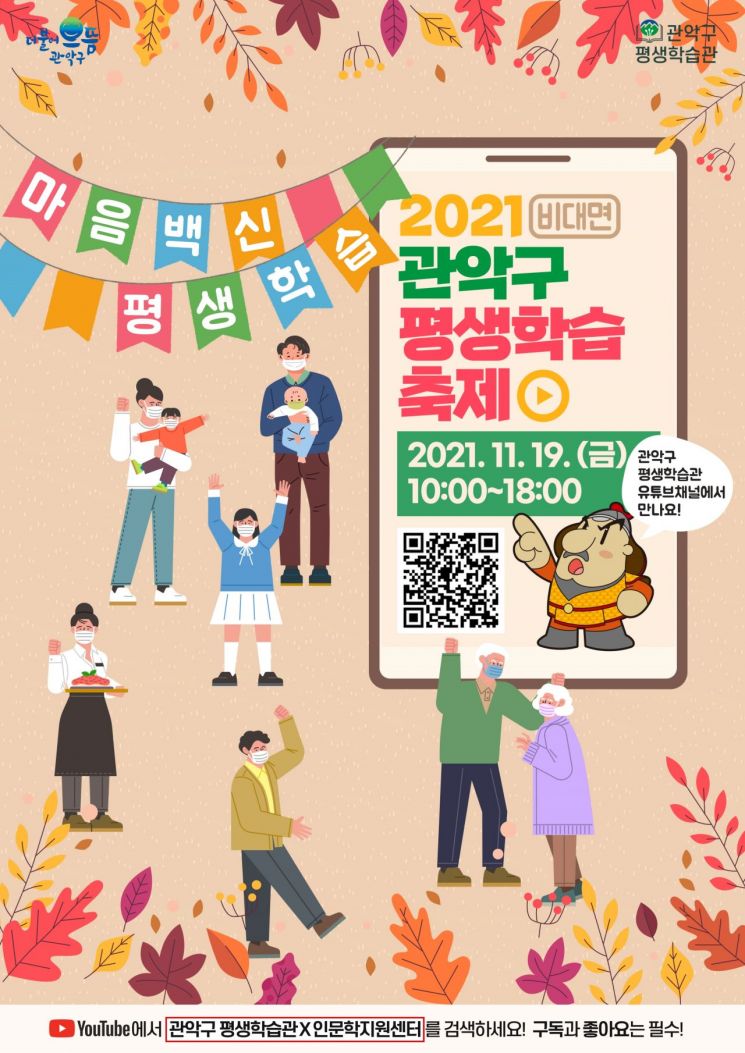
Gwanak-gu (Mayor Park Jun-hee) will hold the '2021 Gwanak-gu Lifelong Learning Festival' online on the 19th.
Since being designated as Seoul's first lifelong learning city in 2004, the district has operated various lifelong learning projects, and this festival, showcasing annual achievements, marks its 6th year.
This year's festival is especially meaningful as it is planned and enjoyed by residents themselves, including lifelong learning clubs, lifelong learning campus institutions, and adult literacy stakeholders, from planning to evaluation.
The festival will be held online on November 19 from 10 AM to 6 PM via the Gwanak-gu Lifelong Learning Center YouTube channel, open to anyone interested in lifelong learning in Gwanak-gu.
Under the theme 'Mind Vaccine Lifelong Learning,' the festival offers an online exhibition with participant-led artwork explanations, non-face-to-face lifelong learning experience lectures, and humanities lectures on Picasso's life and the background of his works.
Unique programs such as a tour of Nangok-dong alleys and a live performance of the play 'Lithuania' provide diverse lifelong learning experiences.
Additionally, the festival introduces adult literacy education for those who are illiterate or have longed for lifelong learning, featuring touching videos showing their stories and the district's lifelong learning aspirations.
Detailed schedules and information are available on the Gwanak-gu Lifelong Learning Center YouTube channel. Inquiries can be made to the Gwanak-gu Education Support Division.

Nowon-gu (Mayor Oh Seung-rok) announced it will hold the 'Harmony Festival for Disabled Employment' at Deungnamu Culture Park on the 10th.
The fair, held from 12:30 PM to 4:30 PM on November 10, is a meeting place for job seekers and employers. It was planned to provide economic independence opportunities for disabled people, a representative vulnerable employment group.
The fair is divided into employment, experience, and event zones.
In the employment zone, one-on-one interviews between employers and job seekers will be conducted. Customized interviews by disability type and job category will be held according to job and job seeker characteristics. Twenty-seven companies, including Sanggye Paik Hospital, transportation companies, department stores, welfare centers, and insurance companies, will participate, offering diverse job fields for disabled people. Positions include office assistance, driving, store management, security, production, bakery, and barista, with preference for skilled disabled job seekers.
Various organizations and groups supporting disabled people will also participate, such as Nowon-gu Disabled Family Support Center, local disability welfare centers, Nowon Senior Happiness Corporation, Seoul Disabled Parents Solidarity Nowon Branch, and Nowon Growth Parents Association. They will engage in long-term relationships with disabled people, providing institution promotion, employment information, and distributing sponsorship goods.
The experience zone will offer various activities, including VR interviews, aptitude tests using fingerprints and cards, career exploration employment tarot, and free interview photo shoots.
The event zone will feature demonstrations of massage for the visually impaired and a mobile health bus offering free health checks such as fasting and post-meal tests. Emergency rooms and rest areas for disabled participants' convenience and safety will be sufficiently provided.
Applications are accepted until the 9th via Nowon-gu Office, Nowon-gu Disabled Employment Support Center websites, or KakaoTalk channels. Those who miss pre-registration can bring resumes and cover letters on the day to participate in interviews matching their aptitude and preferences.
Post-event support includes a telephone survey two weeks after the event to check employment status, with follow-up at three months for employed individuals. For unemployed participants, individual analysis of rejection reasons and employment linkage to similar jobs will be provided.
The district plans to strictly follow quarantine rules, including limiting participants relative to facility size, pre-booking, pre-PCR testing of booth staff, and on-site disinfection.
Nowon-gu opened the nation's first 'Nowon-gu Disabled Employment Support Center' last November under the motto 'Working Disabled People and Growing Together.' The center promotes job discovery and tailored public and private employment support, operating programs for workplace adaptation, job training, consulting, post-management, and caregiver education for successfully employed disabled people.
Oh Seung-rok, Mayor of Nowon-gu, said, "Nowon-gu has the second-largest disabled population among Seoul districts. Through various policies such as the employment fair, we will remove employment barriers and provide practical independence opportunities for disabled people."
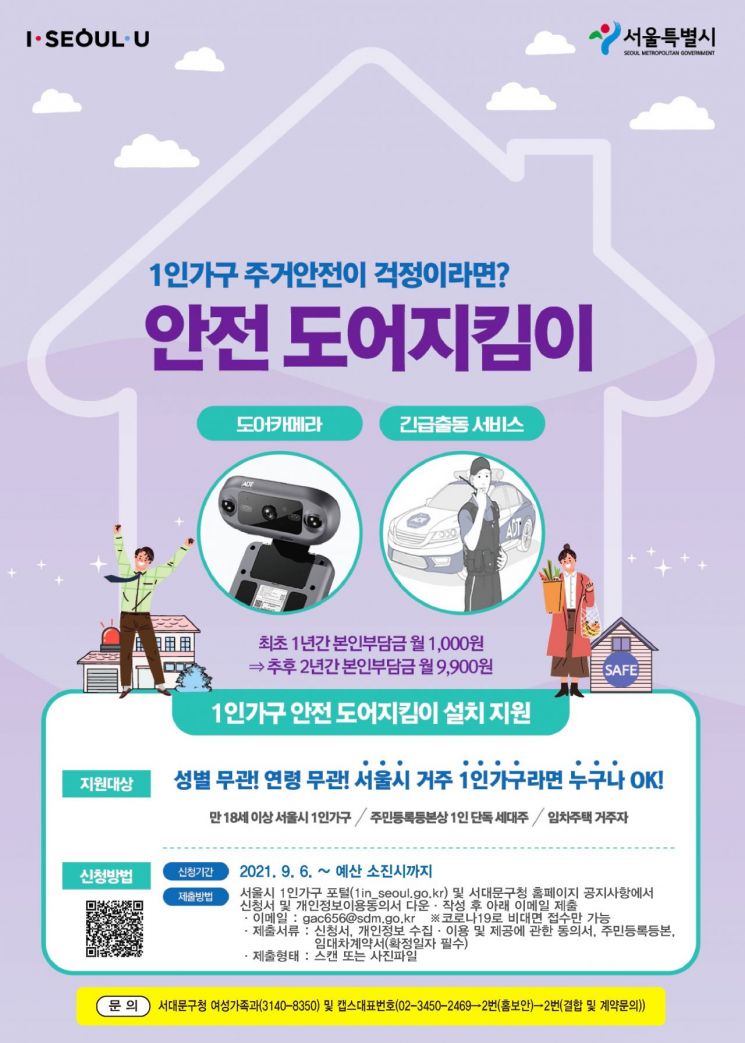
Seodaemun-gu (Mayor Moon Seok-jin) is promoting the 'Safety Door Keeper' installation support project to enhance housing safety for single-person households in cooperation with Seoul City and ADT Caps.
This is a home security service installing door cameras that allow real-time monitoring of the front door and request emergency dispatch in urgent situations.
Users can also communicate with visitors via voice through a mobile app, and pressing the emergency button on the app or the SOS button inside the home dispatches the nearest ADT Caps agent.
The service period is three years, with subsidized costs: 1,000 KRW per month for the first year and 9,900 KRW per month for the following two years. The market price is about 18,000 KRW per month.
Any single-person household resident aged 18 or older living in rented housing in Seodaemun-gu can apply. However, wireless internet and a router must be installed at home. Outdoor common entrance doors, fences, parking lots, and windows are excluded.
Applicants can download the application form from the Seodaemun-gu website, fill it out, and email it with a scanned or photographed copy of their resident registration and lease contract to gac656@sdm.go.kr.
The application period is until December 10 and may close early if the budget is exhausted.
Moon Seok-jin, Mayor of Seodaemun-gu, said, "We expect this service to improve housing safety for many single-person households, including youth living near university areas."
© The Asia Business Daily(www.asiae.co.kr). All rights reserved.
![Clutching a Stolen Dior Bag, Saying "I Hate Being Poor but Real"... The Grotesque Con of a "Human Knockoff" [Slate]](https://cwcontent.asiae.co.kr/asiaresize/183/2026021902243444107_1771435474.jpg)

















