[Asia Economy Reporter Lee Gwan-ju] The Korean Police History Research Institute at the Korean National Police University held an online academic seminar on the 14th to commemorate Police Day under the theme "Literature, Symbols, and Films with Police History."
The seminar was conducted under the moderation of Professor Yoo Chun-dong of Kangwon National University, with about 50 participants including researchers from various fields such as literature, art, and film, research institute committee members, faculty, and employees from the National Police Agency.
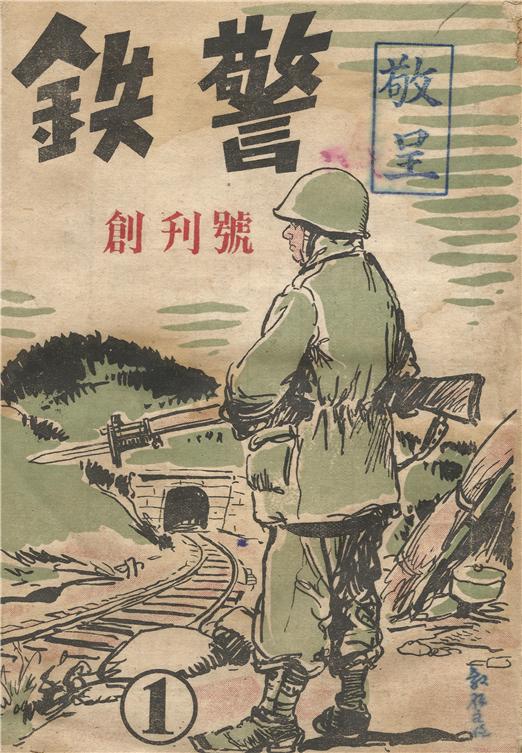
Lee Yoon-jung, director of the Korean Police History Research Institute, presented on the discovery of Jeong Bi-seok's short story "Professor Shin and Divorce - A Fable for Adults," published in the inaugural issue of "Cheol-gyeong," and the topic of police magazines. Director Lee explained, "This work deals with conflicts among women who ultimately faced frustration while advocating male-centered thinking and gender equality consciousness. It is a trial work before the publication of 'Jayu Buin' (The Free Woman)," adding, "The full text will be disclosed to the Korean literature academic society in the future."
Additionally, Professor Park Soo-yang of the Police Investigation Training Institute presented on the topic "The Police Historical Symbolism of the Mugunghwa and the Police Spirit - Focusing on the Police CI and Symbol Mark." Professor Park argued, "The Mugunghwa (Rose of Sharon) has long existed as a symbol of the nation and the 'democratic police,' and currently includes the police's aspirational values of loyalty (忠), trust (信), courage (勇), righteousness (義), and benevolence (仁). Therefore, related education should be strengthened to cultivate a desirable police spirit going forward."
Furthermore, Han Sang-eon, director of the Film Research Institute, in his presentation titled "Police and Society Seen Through Films? Focusing on the 1970s Special Investigation Headquarters Series," stated, "This series, produced between 1973 and 1975 with a total of five films, is an anti-communist investigation work mainly dealing with investigators handling espionage cases immediately after liberation. It played a certain role in maintaining the social atmosphere of the time emphasizing the ideology of victory over communism."
Lee Cheol-gu, president of the Korean National Police University, said, "This academic seminar held ahead of Police Day showed that the field of police history can expand to include our country's literary history, art history, and film history," adding, "I hope police history research will expand in various directions beyond the traditional focus on institutional history, biographical history, and war history, so that it can resonate with citizens."
© The Asia Business Daily(www.asiae.co.kr). All rights reserved.
![Clutching a Stolen Dior Bag, Saying "I Hate Being Poor but Real"... The Grotesque Con of a "Human Knockoff" [Slate]](https://cwcontent.asiae.co.kr/asiaresize/183/2026021902243444107_1771435474.jpg)
















