Natural Compound Fenchol in Basil Activates Brain Cell Signaling... Fenchol Also Found in Fennel, Lime, and Nutmeg
[Asia Economy Senior Reporter Jinsoo Lee] Alzheimer's disease affects about one in nine adults aged 66 and older. Alzheimer's disease is one of the main causes of senile dementia, but there is still no definitive cure.
In this context, researchers at USF Health, University of South Florida in Tampa, Florida, announced research results suggesting that the herb 'basil' may play a role in preventing Alzheimer's disease.
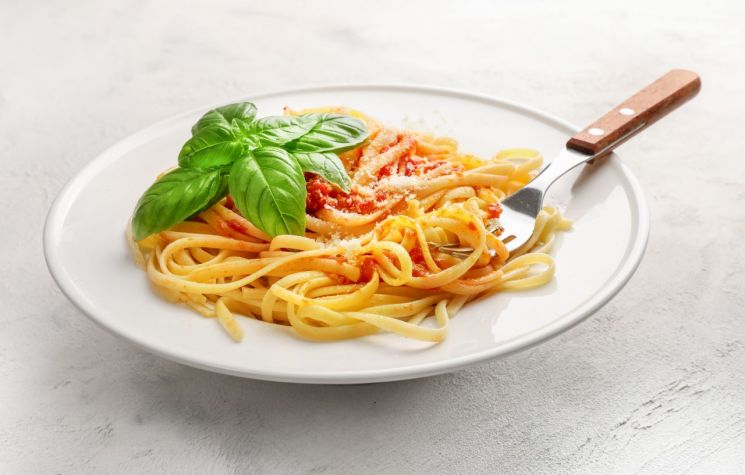
The research team from USF Health, a public research institution composed of the College of Medicine, College of Nursing, College of Public Health, and College of Pharmacy, stated in the October 5 issue (local time) of the journal The Frontiers in Aging Neuroscience that fenchol, a natural compound abundant in basil, could have preventive effects against Alzheimer's disease.
The researchers pointed out that among the 15 compounds studied, fenchol was the most effective in binding to free fatty acid receptor 2 (FFAR2) and activating cell signaling. FFAR2 is expressed in neurons in the brain.
In animal experiments, fenchol activated FFAR2, reducing amyloid beta protein associated with Alzheimer's disease, lowering the rate of neuronal death, and decreasing the number of aged nerve cells, also known as 'zombie cells.' Aged nerve cells are commonly found in the brains of Alzheimer's patients.
Professor Hariom Yadav of the Morsani College of Medicine at the University of South Florida, who led the study, explained, "Fenchol has a substantial impact on the interconnected mechanisms of aging and protein degradation. Fenchol reduces the semi-dead zombie nerve cells and promotes the breakdown of amyloid beta protein, helping it to be removed from the brain more quickly."
However, this does not mean you should immediately change your diet. The researchers pointed out that more studies are needed to determine the most effective dosage of fenchol. For now, it seems advisable to simply add some basil to your diet.
In 2012, a study showed that administering basil extract improved memory retention in mice. This finding is significant for humans as well.
Basil, rich in fenchol, is recorded as the herbal medicine name Nareuk (羅勒) in the Donguibogam. Fenchol is also known to be contained in fennel, lime, and nutmeg.
© The Asia Business Daily(www.asiae.co.kr). All rights reserved.
![Clutching a Stolen Dior Bag, Saying "I Hate Being Poor but Real"... The Grotesque Con of a "Human Knockoff" [Slate]](https://cwcontent.asiae.co.kr/asiaresize/183/2026021902243444107_1771435474.jpg)
















