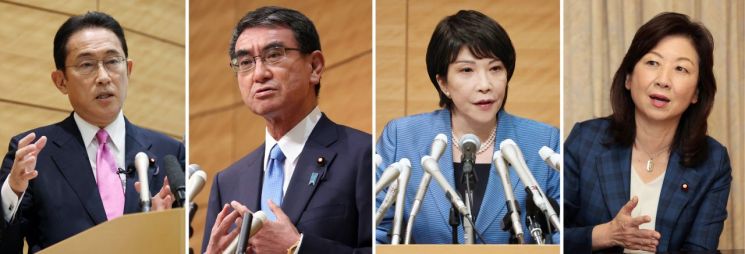
 ▲Four candidates running in the Liberal Democratic Party presidential election. (From left) Fumio Kishida, former LDP Policy Research Council Chairman; Taro Kono, Minister for Administrative Reform; Sanae Takaichi, former Minister of Internal Affairs and Communications; Seiko Noda, Acting Secretary-General of the LDP [Image source=EPA Yonhap News]
[Asia Economy Reporter Kwon Jae-hee] As the ruling Liberal Democratic Party (LDP) leadership election to choose the successor to Japanese Prime Minister Yoshihide Suga kicked off on the 17th, the profiles of the candidates have come into focus.
The candidates in this election are former LDP Policy Research Council Chairman Fumio Kishida, Administrative Reform Minister Taro Kono, former Internal Affairs Minister Sanae Takaichi, and acting LDP Secretary-General Seiko Noda.
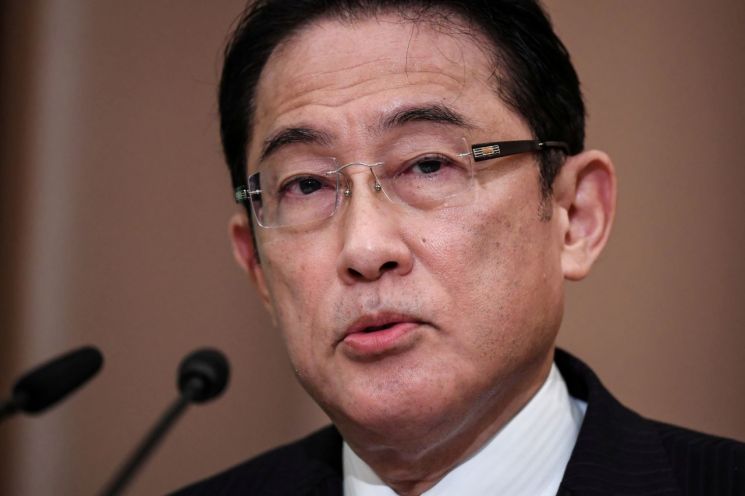 ▲ Fumio Kishida, former Chairman of the LDP Policy Research Council [Image source=Reuters Yonhap News]
First, Kishida served as Foreign Minister for about four and a half years during the Shinzo Abe administration. He is also well known in South Korea as a key figure in the 2015 Japan-South Korea comfort women agreement.
He had hoped to be named Abe’s successor when Abe stepped down a year ago but was defeated by Suga amid factional power struggles.
Having been sidelined from major cabinet and party posts, Kishida read the dissatisfaction toward LDP Secretary-General Toshihiro Nikai, who had wielded power for over five years, and ran with a party reform agenda.
Within the LDP, he is considered relatively moderate, but due to his involvement in the Abe administration, some assess that he may find it difficult to show flexibility in Japan-South Korea relations.
He is the head of the Kochikai faction (also known as the Kishida faction), which includes 46 lawmakers.
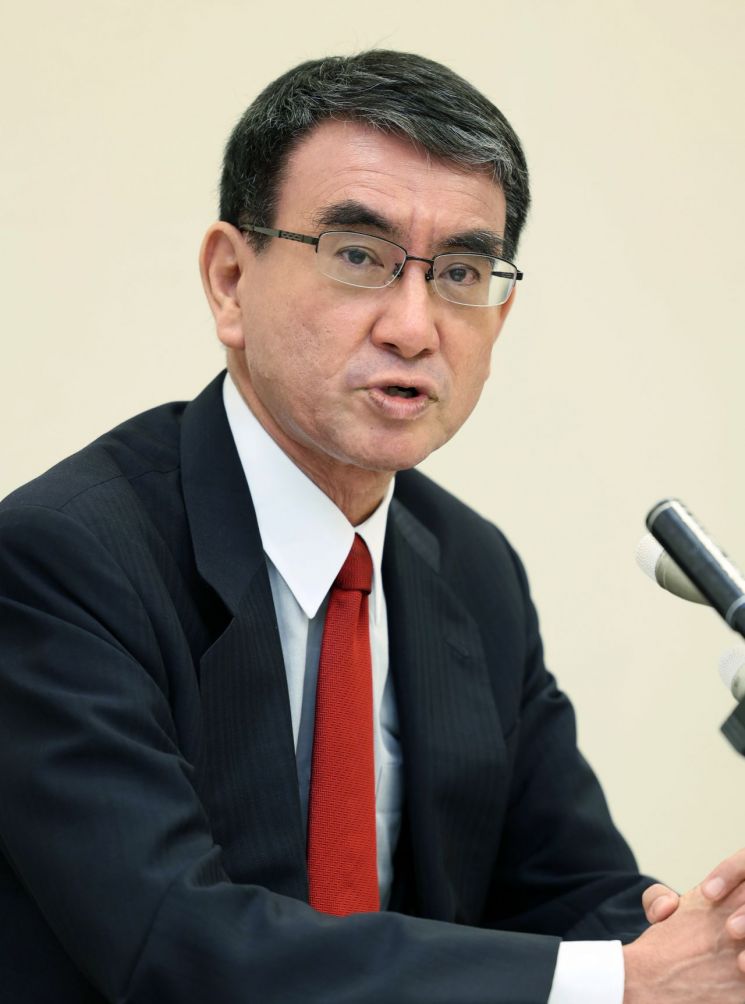
Kono is the candidate with the highest public support.
Currently the commander of Japan’s COVID-19 vaccine rollout, Kono emphasizes his drive and eloquence as strengths.
He actively communicates through social media (SNS), with about 2.42 million Twitter followers. However, he has sparked controversy by blocking many Twitter users who opposed him.
He is supported by 'young blood' Environment Minister Shinjiro Koizumi and former Secretary-General Shigeru Ishiba, who has opposed Abe.
Kono is the eldest son of Yohei Kono, former Speaker of the House of Representatives and the architect of the 'Kono Statement,' in which the Japanese government apologized for the comfort women issue. He even donated part of his liver to his father, who suffers from cirrhosis.
Leveraging his high recognition, he is reportedly aiming to secure a majority in the first round of voting in this election.
However, his previous advocacy for nuclear phase-out and alliance with Ishiba, who opposed Abe, may cause him to lose support among lawmakers if the election goes to a runoff.
Kono belongs to the Aso faction, led by Deputy Prime Minister and Finance Minister Taro Aso, a close ally of Abe.
The Aso faction supports either Kono or Kishida but allows its members to vote according to their own judgment.
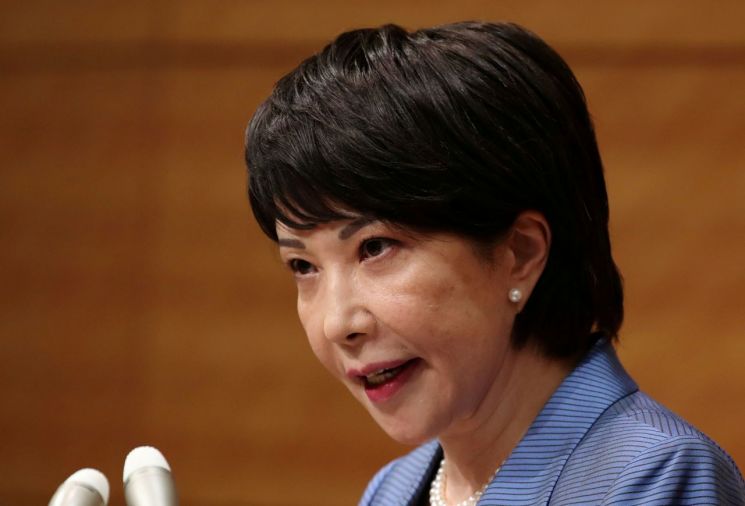 ▲ Sanae Takaichi, former Minister of Internal Affairs and Communications [Image source=Reuters Yonhap News]
Takaichi shows the clearest right-wing stance among the four candidates.
Since her second term as a lawmaker, she has worked alongside Abe aiming to remove textbooks addressing the Japanese military’s comfort women issue.
As Internal Affairs Minister, she visited the Yasukuni Shrine, where Class A war criminals are enshrined, intensifying diplomatic tensions, and she remains determined to continue such visits.
She has no faction but her biggest supporter in this election is Abe.
Abe, who leads the largest LDP faction with 96 lawmakers, has been actively supporting her by calling young lawmakers to urge support and publicly endorsing her on Twitter.
The Yosoda faction reportedly predicts that "even if Kono leads in the first round, a Kishida-Takaichi alliance could overturn the result in the runoff," according to Yomiuri Shimbun.
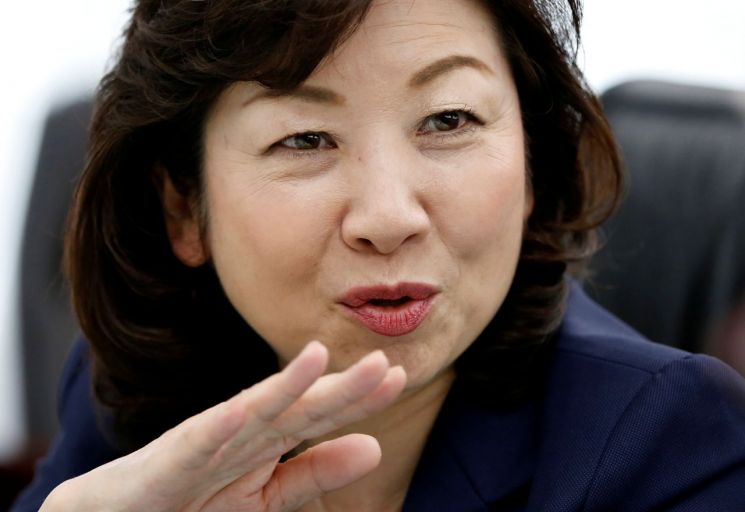 ▲ Seiko Noda, Acting Secretary-General of the Liberal Democratic Party [Image source=Reuters Yonhap News]
Noda decided to run at the last minute after struggling to secure 20 endorsements.
At age 37, she was appointed the youngest Minister of Posts and Telecommunications in the cabinet of Keizo Obuchi (1937?2000) in 1998 and was regarded as a potential 'first female prime minister.'
In 2005, she left the LDP in protest against the postal privatization led by then-Prime Minister Junichiro Koizumi and was elected as an independent in the same year’s election.
She rejoined the party during Abe’s first administration.
She considered running in the 2015 and 2018 leadership elections but gave up due to difficulties in securing endorsements as she has no faction.
She is known to be active in the Japan-Korea Parliamentary Friendship League and is fond of Korean food.
This is the first time multiple female candidates (Takaichi and Noda) have run in an LDP leadership election.
The only previous case of a female politician running in an LDP leadership election was Yuriko Koike (current Governor of Tokyo), who placed third in the 2008 election as a member of the House of Representatives.
© The Asia Business Daily(www.asiae.co.kr). All rights reserved.
![Clutching a Stolen Dior Bag, Saying "I Hate Being Poor but Real"... The Grotesque Con of a "Human Knockoff" [Slate]](https://cwcontent.asiae.co.kr/asiaresize/183/2026021902243444107_1771435474.jpg)

















