High Fever and Severe Headache Accompanied, Some Experience Bleeding from All Body Orifices
No Treatment Available Yet
[Asia Economy Reporter Na Yeeun] The World Health Organization (WHO) announced on the 9th (local time) that the first case of 'Marburg Virus' infection has been reported in Guinea, West Africa.
This virus, along with the 'Ebola Virus,' causes highly fatal infectious diseases in humans and is a representative zoonotic virus that can be transmitted to both humans and animals. Although cases of Marburg Virus outbreaks have been reported in South Africa, Angola, and Kenya, this is the first time it has been reported in West Africa.
WHO stated that a man who died of hemorrhagic fever in Gueckedou, Nzerekore Region, southernmost Guinea, tested positive for the Marburg Virus in a post-mortem examination.
The deceased showed symptoms of fever on the 25th of last month in Gueckedou, near the borders of Sierra Leone and Liberia, and was receiving treatment at a local hospital. After undergoing a malaria test, he died on the 2nd of this month.

According to the Associated Press, WHO confirmed that at least four people had contact with the deceased, and their contact information has been secured for testing, with results pending. WHO spokesperson Fadela Chaib said, "The four contacts are currently asymptomatic. However, 10 WHO staff members are conducting contact tracing in the community."
The Marburg Virus was first identified in 1967 in Marburg, Germany, from which it takes its name. In Angola, over 150 people died from the disease in 2004 and 2005, and in the Democratic Republic of the Congo, 128 people lost their lives between 1998 and 2000.
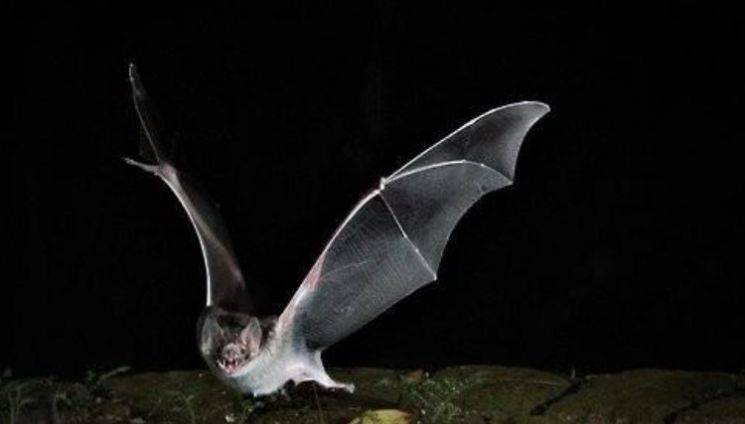
The Marburg Virus is known to have been detected in the tissues of African green monkeys, with fruit bats believed to be the primary hosts that transmit the virus to humans and primates. Human-to-human transmission occurs through bodily fluids. Symptoms include high fever and severe headaches, and some patients bleed from all bodily orifices such as the eyes and ears.
Currently, there are no approved vaccines or antiviral treatments for the Marburg Virus, but survival chances can be improved through blood transfusions and other supportive care. WHO has assessed that the threat level is high at the national and regional levels but low globally.
© The Asia Business Daily(www.asiae.co.kr). All rights reserved.
![Clutching a Stolen Dior Bag, Saying "I Hate Being Poor but Real"... The Grotesque Con of a "Human Knockoff" [Slate]](https://cwcontent.asiae.co.kr/asiaresize/183/2026021902243444107_1771435474.jpg)

















