Death Occurs 6 Days After First Pfizer Dose... No Underlying Conditions
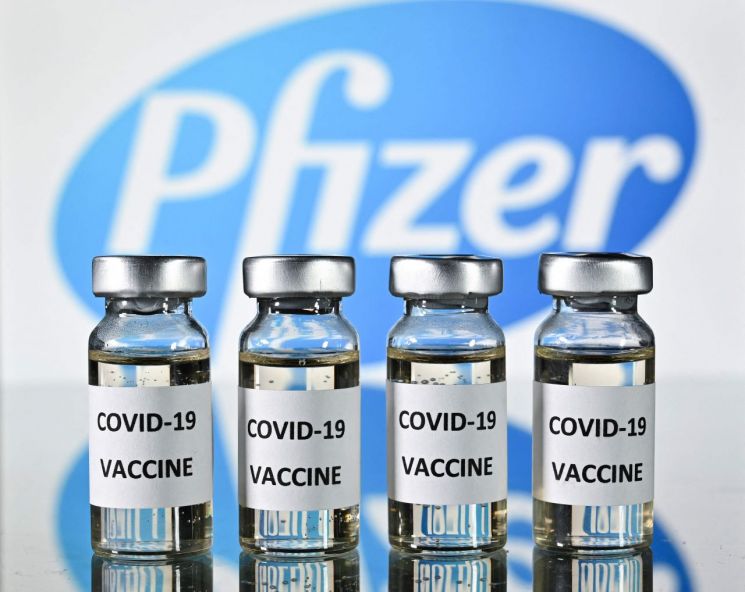 Pfizer COVID-19 vaccine. Not directly related to the specific content of the article.
 [Photo by Yonhap News]
[Asia Economy Reporter Na Ye-eun] The government has for the first time recognized the causal relationship between the Pfizer vaccine and myocarditis in a man in his 20s who died after vaccination. This case is the first in South Korea where myocarditis occurred and resulted in death following vaccination.
On the 26th, the COVID-19 Vaccine Damage Investigation Team announced that after reviewing deaths and severe cases following vaccination, they recognized causality in one case of myocarditis-related death in a man in his 20s, one case of pericarditis in a man in his 20s, and one case of thrombocytopenic thrombosis in a woman in her 70s.
The man in his 20s who died from myocarditis received his first dose of the Pfizer vaccine on the 7th of last month and around 1 a.m. on the 13th, he complained of chest pain and a decline in condition to a fellow soldier. Later, around 8 a.m., he was found unconscious and not breathing on the floor beside his bed and was transported to a hospital but ultimately passed away. No underlying diseases were found.
Autopsy results confirmed myocarditis around the heart and cardiac conduction system, recognizing this as a myocarditis case causally related to vaccination.
Kwon Geun-yong, head of the Adverse Reaction Investigation Support Team of the Task Force, stated, "This is effectively a case where myocarditis was not detected in advance." He added, "Myocarditis commonly occurs in the left ventricle area within a few days, but in this case, inflammation was mainly found in the atrium, and the inflammation invaded the neural transmission pathways, causing arrhythmia and acute cardiac death."
Meanwhile, causality was also recognized in a man in his 20s diagnosed with pericarditis after receiving the Pfizer vaccine. This man, who had no underlying conditions, developed chest pain 11 hours after his second Pfizer dose on the 29th of last month. Elevated cardiac enzyme levels and pericardial effusion were confirmed by echocardiography, and he received treatment and recovered.
Additionally, a woman in her 70s with diabetes as an underlying condition experienced calf pain and swelling after her first AstraZeneca vaccine dose on the 10th of last month. She was later diagnosed with thrombocytopenic thrombosis, received treatment, and causality with the vaccine was recognized.
Among 103 other deaths or severe cases following vaccination, causality was not recognized as these were likely caused by underlying conditions such as hypertension, diabetes, angina, or age-related factors leading to stroke, acute myocardial infarction, or sudden cardiac death. Eight suspected anaphylaxis cases were also not recognized as causally related.
Kwon Jun-wook, Deputy Head of the Central Disease Control Headquarters, urged, "Please remain at the vaccination site for 15 to 30 minutes after vaccination to monitor for adverse reactions, and carefully observe for more than three hours after returning home. Observe for at least three days and avoid intense physical activity for a week."
He added, "If symptoms such as chest pain or pressure, discomfort, shortness of breath, palpitations during breathing, or fainting occur or worsen after receiving the Pfizer or Moderna vaccine, please seek medical attention promptly."
© The Asia Business Daily(www.asiae.co.kr). All rights reserved.
![Clutching a Stolen Dior Bag, Saying "I Hate Being Poor but Real"... The Grotesque Con of a "Human Knockoff" [Slate]](https://cwcontent.asiae.co.kr/asiaresize/183/2026021902243444107_1771435474.jpg)















