Surge in COVID-19 Cases Prompts Countries to Lock Down
US and European Stock Markets Fall One After Another... Oil Prices Also Decline
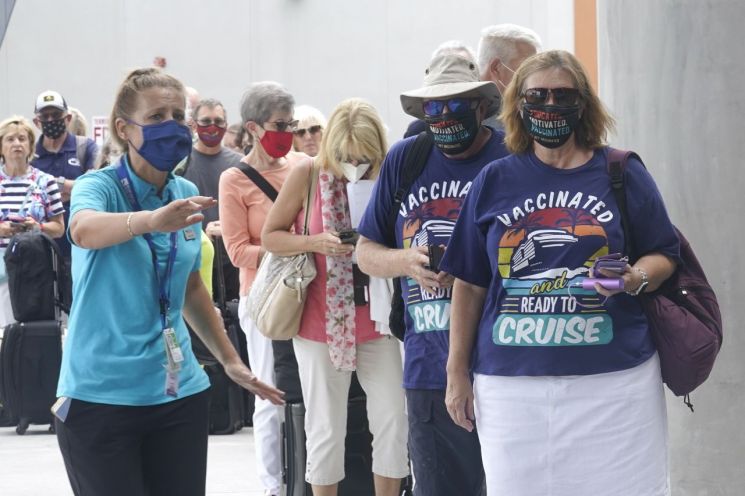
[Asia Economy Reporter Cho Hyun-ui] As the Delta variant, which is more transmissible than the original COVID-19 virus, spreads rapidly, countries around the world are tightening their quarantine measures again. In Europe, the spread is intensifying mainly in the UK, Portugal, and Russia, while in Asia, Bangladesh and Myanmar are seeing sharp increases. There are concerns that the Delta variant could dampen the global economy, which had been on the path to recovery.
According to the international statistics site Worldometer on the 28th (local time), the UK reported 22,868 new confirmed cases that day. This is the first time in five months since February 4 that the UK’s daily new cases have exceeded 20,000.
Thanks to vaccination and lockdown measures, the UK had recorded daily new cases in the 1,000 to 2,000 range just a month ago. However, as over 90% of new infections are due to the Delta variant, the number of new cases surged past 5,000 on the 3rd, 10,000 on the 17th, and exceeded 15,000 on the 23rd.
◆Countries Locking Down Again = In Europe, Portugal and Russia are in serious situations following the UK. Portugal declared that the Delta variant has become the dominant strain among European Union (EU) member countries for the first time. In Lisbon, more than 70% of the 10 new cases reported the previous day were infected with the Delta variant, and nationwide the figure is 51%. In Russia, the Delta variant is breaking daily death records in the capital Moscow.
Israel, which had no or single-digit new cases until early this month, has seen its average daily new cases rise to 146 over the past seven days, nearly ten times the 15 cases reported on the 14th. Despite a 60% rate of second-dose vaccination, the Delta variant has overwhelmed the country. According to the Wall Street Journal (WSJ), about half of the Israeli adults infected with the Delta variant had received two doses of the Pfizer vaccine.
In Southeast Asia, Bangladesh is the hardest hit by the Delta variant. Daily new cases, which were around 260 in mid-last month, have now surged to nearly 6,000. The BBC reported, "Hospitals are overflowing with patients," adding, "Especially in the border areas with India, there are many severe cases."
Myanmar, suffering from a military coup, is not free from the Delta variant either. The number of new cases over the past seven days is 734, three times the figure on the 14th.
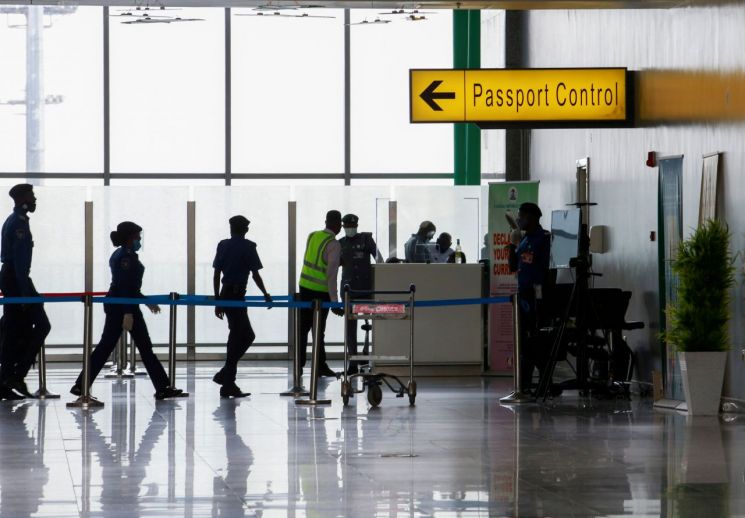
Countries are locking down again. Turkey has completely suspended flights and direct routes to six countries where the Delta variant is spreading: India, Bangladesh, Brazil, South Africa, Nepal, and Sri Lanka.
Germany will ban entry from 16 countries, including the UK, India, and Nepal, where the Delta variant is rampant, starting from the 29th. Israel will also require departing travelers from the 29th to pledge to avoid COVID-19 high-risk countries such as India, South Africa, and Brazil.
Bangladesh will impose a seven-day lockdown starting from the 1st of next month. The BBC reported that bus terminals and other transport hubs in the capital Dhaka, the epicenter of the spread, are crowded daily with people trying to move to other regions before the lockdown begins.
The travel bubble plans that the US and the UK were promoting this summer are also at risk of collapse. According to foreign media, a person involved in the negotiations said, "No conclusion will be reached by the end of July," adding, "The spread of the Delta variant in the UK has affected the talks."
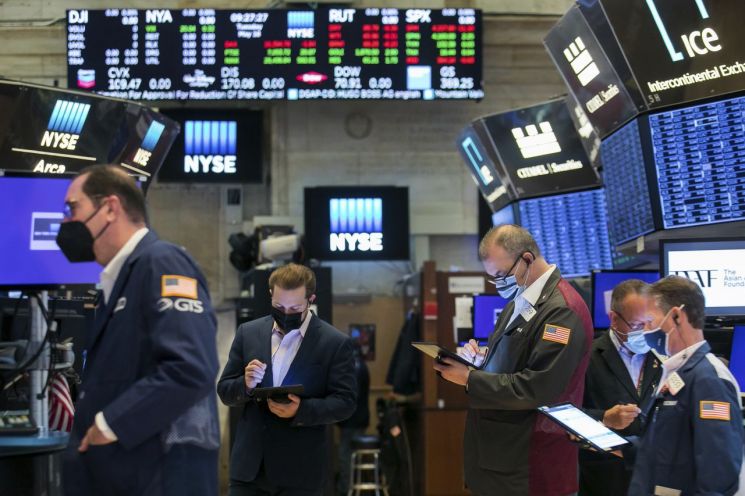
◆A Major Variable for the Global Economy in the Second Half = The Delta variant is emerging as the biggest variable for the global economy in the second half of this year. If countries fail to effectively control the Delta variant, the economy could contract again.
In fact, on this day, US and European stock markets reacted sensitively to the spread of the Delta variant. In the New York stock market, United Airlines fell 2%, American Airlines dropped 3%, and cruise operator Royal Caribbean Cruises plunged 6%. The pan-European EuroStoxx50 index fell 0.75%.
The August West Texas Intermediate (WTI) crude oil price traded at $72.91 per barrel, down $1.14 (1.5%) from the previous trading day due to the spread of the Delta variant and other factors.
© The Asia Business Daily(www.asiae.co.kr). All rights reserved.
![Clutching a Stolen Dior Bag, Saying "I Hate Being Poor but Real"... The Grotesque Con of a "Human Knockoff" [Slate]](https://cwcontent.asiae.co.kr/asiaresize/183/2026021902243444107_1771435474.jpg)

















