Precise Measurement of Urban Air Pollution Sources and Identification of Fine Dust Causes... Establishment of Air Quality Forecasting Information System and Public Service System via AI Chatbot
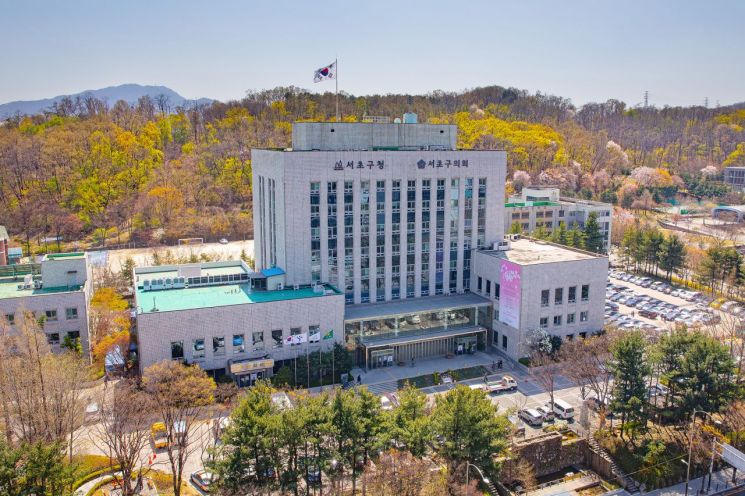
[Asia Economy Reporter Jongil Park] Seocho-gu (Mayor Eunhee Jo) has been continuously expanding the Internet of Things-based ‘Fine Dust Detailed Measurement System’ established in 2019.
The district has built an ‘Integrated Air Environment Detailed Measurement System’ that can measure harmful air pollution concentrations in real time. This year, based on this big data, it plans to analyze the causal relationships between fine dust concentrations and external influencing factors and establish a fine dust forecasting and warning management system.
Through the analyzed data, the air environment status can be communicated to residents more quickly and utilized to improve climate and environmental issues.
Furthermore, it will actively establish environmental policies to create a green Seocho by conducting causal analysis of fine dust inducing factors, developing predictive models and forecasting/warning services, and experimenting with reduction devices.
The district aims to complete the identification of fine dust inducing factors and predictive modeling by the end of this year and establish an AI-based chatbot public service and administrative support service system.
This involves analyzing traffic, restaurants, construction sites, and densely populated areas that cause urban air pollution. Based on the analyzed data, it will establish fine dust predictive modeling, prioritize water spraying vehicle allocation, and provide pre-alerts for fine dust warnings in interest zones, thereby enhancing administrative transparency and efficiency in fine dust reduction.
Moreover, as a measure to improve the fine dust environment in major traffic-dense areas, the district plans to install Korea’s first smart open-type fine dust reduction device (tentatively named Seoripul Sumteo).
Including functions such as Seoripul Wondumak (shade shelter for heatwave countermeasures), air purifiers, fine dust traffic lights, and IoT control, it will provide citizens using public transportation with a moment of relief from roadside dust to breathe clean air safely while commuting.
Meanwhile, the district has continuously strived for ‘environmental welfare’ so that residents can breathe safely in the era of climate crisis.
Seocho-gu is a traffic-congested area accounting for 10% of Seoul’s total traffic volume. Especially around the Seoul Express Bus Terminal area (1.6 km²), environmental management responses are needed for roadside fine dust and scattered dust, so it has been developed and intensively managed as a ‘Fine Dust Safe Zone.’
Since last year, in May, it signed agreements with KAIST Sustainable Development Center, K-Weather, and the Our Future Association to promote the ‘Green Seocho Project’ for indoor air quality management, preparing for the climate crisis era.
This is a 필환경시대 (essential environment era) project that continuously measures six air quality elements?ultrafine dust, carbon dioxide, volatile organic compounds, etc.?every minute in all elderly medical welfare facilities and daycare centers used by environmentally vulnerable groups, helping manage indoor air quality.
Additionally, customized and specialized air environment measurement information for ‘Our Neighborhood’ collected from 108 local air environment monitoring stations is provided one-stop through the Smart City app and web, enabling users to respond proactively. Communication and cooperation with residents will also be maintained through targeted promotions and SNS tailored to different groups.
Seocho-gu Mayor Eunhee Jo stated, “Administration that does not benefit residents’ lives is meaningless,” and added, “We will evolve into a smart city Seocho that precisely measures fine dust through big data so that residents can fully enjoy their right to breathe safely.”
© The Asia Business Daily(www.asiae.co.kr). All rights reserved.
![Clutching a Stolen Dior Bag, Saying "I Hate Being Poor but Real"... The Grotesque Con of a "Human Knockoff" [Slate]](https://cwcontent.asiae.co.kr/asiaresize/183/2026021902243444107_1771435474.jpg)















