'Side Dish Reuse' Caught at Busan Gukbap Restaurant Where Customers Ate
Civilians Express Outrage: "Too Dirty to Watch," "Should Shut Down Business"
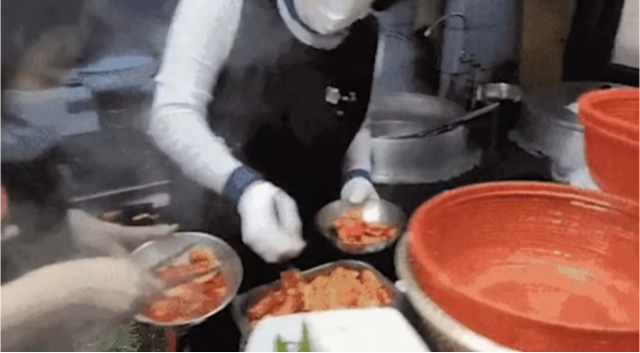 A captured scene of radish kimchi recycling on a BJ broadcast. This scene, commonly called 'side dish reheating,' shows leftover food from customers being reorganized and served again to new customers. Photo by BJ Broadcast Capture
[Asia Economy Reporter Han Seung-gon] "You shouldn't mess with food. Would they eat it themselves?"
On the 7th, a scene showing a customer reusing leftover kkakdugi at a famous pork soup restaurant in Busan was revealed in a BJ video recording, prompting authorities to take administrative actions. Citizens expressed outrage over this act, commonly known as 'side dish reuse,' calling it unacceptable.
Side dish reuse refers to the unscrupulous act of secretly collecting leftover food from customers in the kitchen and serving it to other customers as if it were fresh. It is a clear violation of the law. However, some restaurants reportedly engage in this practice to reduce costs such as ingredient expenses.
A man in his 40s, Mr. Kim, who confirmed the reality of 'side dish reuse' restaurants through the news, raised his voice, saying, "Are there still such restaurants?"
Mr. Kim criticized, "Can restaurant owners really serve food that customers have already eaten? How can they run a business like this?" He added, "They should not just be fined a few bucks but be forced to shut down their business entirely."
Another office worker in his 30s, Mr. Lee, strongly condemned, "What’s the point of making money by selling food mixed with customers' saliva?" He continued, "Since I often eat at restaurants during lunch at work, I feel so uncomfortable that I can't even eat."
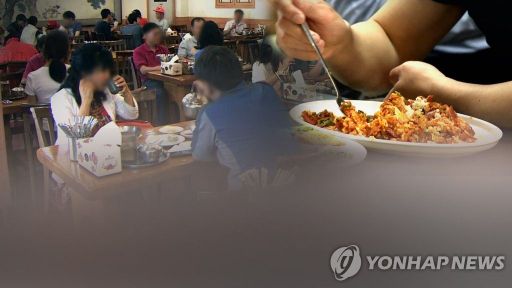
Reusing side dishes is also dangerous to health. It can cause food poisoning or respiratory diseases through other people's saliva or respiratory secretions.
Nevertheless, some restaurant owners reuse side dishes without any sense of guilt. The methods of side dish reuse vary.
Not only simple side dishes but also foods that are hard to identify visually, such as stir-fried spicy pork and soft tofu stew, can be recycled. Stews and braised dishes left over are also reportedly reheated and reused. Additionally, in some sashimi restaurants, decorative shredded radish is washed and reused.
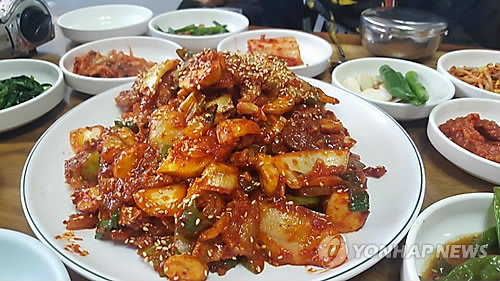 A restaurant's spicy stir-fried pork. The photo is unrelated to specific expressions in the article. [Image source=Yonhap News]
Meanwhile, there is also an opinion that enforcement itself is difficult. A restaurant industry insider said, "Reusing side dishes basically means mixing leftover side dishes with fresh ones. How can you catch this unless you catch it on the spot?" He added, "Ultimately, it depends on the conscience of the business owners, and we just hope they run their business ethically."
Authorities emphasized that they will pay even closer attention as public outrage over side dish reuse grows. An official from a district office in Seoul said, "According to the Food Sanitation Act, restaurants must not reuse, cook, or store leftover food from customers," adding, "We will conduct regular inspections focusing on cases of food reuse to alleviate citizens' concerns."
Meanwhile, regarding the pork soup restaurant in Busan confirmed to have reused side dishes such as kkakdugi, the Dong-gu Office in Busan plans to visit the restaurant for inspection and take administrative action for violating the Food Sanitation Act.
© The Asia Business Daily(www.asiae.co.kr). All rights reserved.
![Clutching a Stolen Dior Bag, Saying "I Hate Being Poor but Real"... The Grotesque Con of a "Human Knockoff" [Slate]](https://cwcontent.asiae.co.kr/asiaresize/183/2026021902243444107_1771435474.jpg)

















