Investigation of 146 Dangerous Buildings Since October Last Year, 21 Sites Repaired and Resolved
Plan Established for This Year's Inspection Issues Correction and Management System Improvement
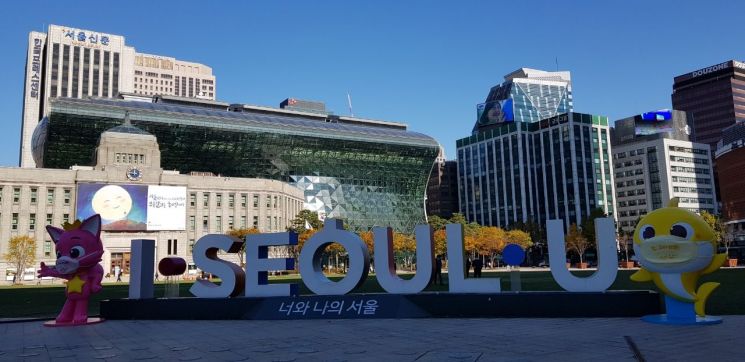
[Asia Economy Reporter Lim Cheol-young] Seoul City announced on the 4th that it completed a field inspection of 146 dangerous buildings since October last year and has set eight detailed tasks for this year’s dangerous building safety management in three areas: safety inspection support, hazardous facility maintenance, and management system improvement, and will proceed with maintenance and improvements.
For this field inspection, inspection teams consisting of three members including district architectural safety center staff, architectural engineers, and structural engineers conducted safety and maintenance status checks on dangerous buildings rated D and E. The inspection results pointed out 44 sites requiring detailed safety inspections or diagnoses, 52 sites needing safety measures, and 21 sites where dangerous buildings were resolved through demolition, repair/reinforcement, or rating upgrades.
In the safety inspection support area, detailed safety diagnosis support will be provided when repair or reinforcement is needed. In addition to the regular safety inspections conducted three times a year by the management entity under the current 'Facility Safety Act,' the district will conduct detailed safety inspections once every two years and perform vulnerability period safety inspections to detect and eliminate seasonal accident factors such as subsidence, overturning, and fire occurring during vulnerable periods like thawing, rainy season, typhoons, holidays, and winter.
In the hazardous facility maintenance area, structures and railings at risk of falling or overturning, fences, and environmental damage facilities such as abandoned garbage will be maintained. Facilities with poor safety management will face strengthened penalties such as fines, and regular field inspections will be conducted three times a year to crack down on poor safety management.
In the management system improvement area, support will be provided for difficult procedures such as registering building information, submitting design documents, establishing and submitting building maintenance plans, conducting regular safety inspections three times a year, and submitting results to the Facility Management System (FMS) that owners of dangerous buildings must use. For housing maintenance project zones, meetings among project entities, permitting departments, and safety management departments will be held to strengthen safety management.
Furthermore, a proposal to amend the 'Special Act on the Safety and Maintenance of Facilities' is being pursued to require detailed safety inspections of small-scale buildings every two years regularly, and to improve the system so that if submitted safety inspection reports for regular inspections of small-scale buildings are suspected to be inadequate, they can be evaluated to prevent poor inspections.
Kim Seong-bo, Head of the Housing and Architecture Headquarters, said, “Safety management of private buildings depends most importantly on the owner’s efforts to conduct regular safety inspections and remove risk factors. Additionally, it is necessary to expand the administrative organizations of Seoul City and districts to supervise and guide aging dangerous buildings.”
© The Asia Business Daily(www.asiae.co.kr). All rights reserved.
![Clutching a Stolen Dior Bag, Saying "I Hate Being Poor but Real"... The Grotesque Con of a "Human Knockoff" [Slate]](https://cwcontent.asiae.co.kr/asiaresize/183/2026021902243444107_1771435474.jpg)
















