Support for 727 Electric Cars and 400 Electric Two-Wheelers
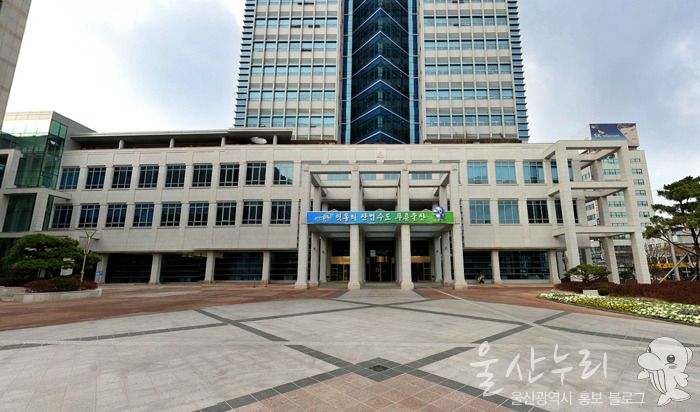
[Asia Economy Yeongnam Reporting Headquarters Reporter Kim Yong-woo] To expand the distribution of environmentally friendly vehicles, the electric vehicle and electric two-wheeler private distribution project is being promoted in Ulsan.
Ulsan City announced the ‘Electric Vehicle and Electric Two-Wheeler Private Distribution Project’ this year, which includes subsidies for purchasing electric vehicles and electric two-wheelers, and will begin accepting subsidy applications from February 23.
The city plans to support 727 electric vehicles (377 passenger cars, 350 cargo vehicles) and 400 electric two-wheelers this year.
Last year, 818 electric vehicles and 508 electric two-wheelers were supported for private distribution.
The purchase subsidies provided to promote electric vehicle distribution are differentiated by vehicle type according to vehicle performance (fuel efficiency, driving range), basic price by model and trim, etc.
For passenger cars, up to 13.5 million KRW is supported, up to 26.5 million KRW for cargo vehicles, and up to 3.3 million KRW for two-wheelers.
The application method requires the purchaser to sign a purchase contract with the vehicle manufacturer or importer, and the manufacturer or importer applies through the Ministry of Environment’s integrated electric vehicle portal.
However, if the vehicle is not delivered within two months, the subsidy support will be canceled, so purchasers should only apply if delivery is possible within two months.
Subsidy applications will be accepted from February 23 for electric vehicles and from March 15 for electric two-wheelers.
Eligibility requires applicants to have had an address in Ulsan for at least 90 days as of the electric vehicle purchase application date, or be corporations or businesses with offices located in Ulsan. The number of vehicles supported per applicant is one electric vehicle for individuals and sole proprietors, ten for corporations and institutions, and one electric two-wheeler for individuals and corporations.
Fifty percent of the passenger car quota is allocated to individuals, and 40% to corporations and institutions. For cargo vehicles, 80% is allocated to the general public, and 10% is separately allocated for small and medium-sized enterprise production volumes.
Ten percent of the distribution volume for passenger and cargo vehicles is prioritized for vulnerable groups such as persons with disabilities, independence activists, basic livelihood security recipients, as well as multi-child families, first-time vehicle buyers, small business owners, and purchasers of vehicles with high fine dust reduction effects (such as taxis and replacement purchases of old diesel vehicles with electric vehicles).
An official from Ulsan City said, “Since this subsidy support project is being promoted to reduce vehicle emissions, greenhouse gases, and especially fine dust, we hope many citizens and companies will participate in this electric vehicle private distribution project.”
© The Asia Business Daily(www.asiae.co.kr). All rights reserved.
![Clutching a Stolen Dior Bag, Saying "I Hate Being Poor but Real"... The Grotesque Con of a "Human Knockoff" [Slate]](https://cwcontent.asiae.co.kr/asiaresize/183/2026021902243444107_1771435474.jpg)















