Development of Business Collaboration Tool, Daehyun Kim CEO of Toss Lab
Known as 'Business KakaoTalk'... Enhanced Continuity and Security
2.2 Million Subscribers... Rapid Growth Due to COVID-19
14 Billion KRW Investment Raised... Plans to Expand Overseas Business
"Everyone has probably made the mistake of posting a message in the wrong company group chat. The work collaboration tool ‘JANDI’ preserves the advantages of KakaoTalk while addressing its shortcomings."
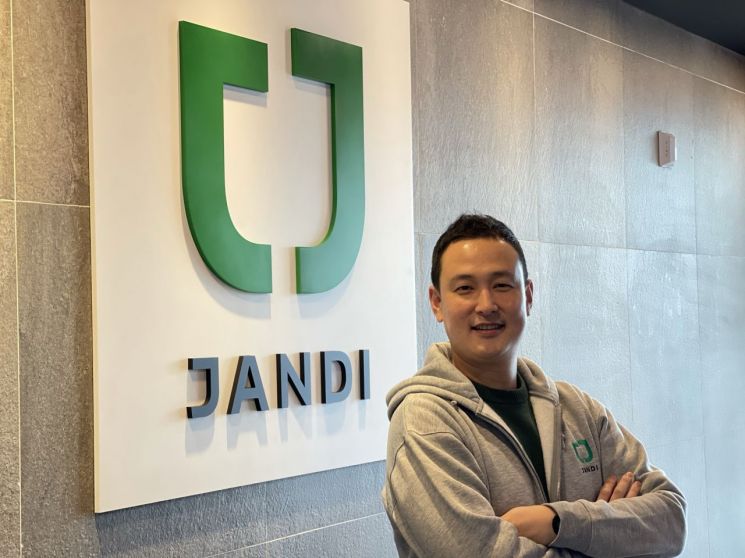
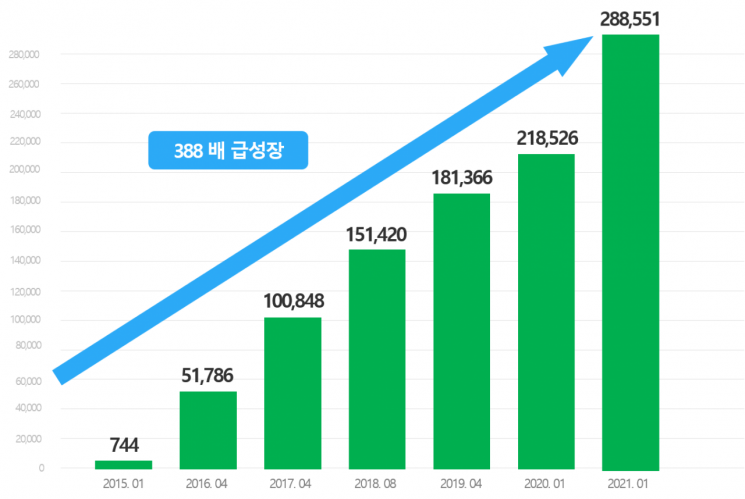
Toss Lab is a startup that develops and distributes the work collaboration tool ‘JANDI’. Kim Daehyun, CEO of Toss Lab (pictured), founded the company in 2014 and launched the JANDI service in May 2015. As of the end of last year, the number of client companies reached 280,000, with 2.2 million registered users. Simply put, JANDI is a ‘work KakaoTalk’. Like KakaoTalk, it is easily accessible to anyone but enhances work continuity and security features. Departments can freely create chat rooms, and uploaded files can be stored permanently. It can be used selectively during vacations or after work hours, ensuring work-life balance (Work-Life Balance, WLB).
CEO Kim said, "Because new employees can view past conversations, the most common feedback is that ‘handover is completed in one go’," adding, "We designed it to be easy and intuitive enough for even CEOs in their 70s to use."
The COVID-19 crisis was actually an opportunity for Toss Lab. As companies increased shortened and remote work, they needed innovation and work efficiency. Perhaps due to this trend, inquiries about JANDI adoption and the growth rate of registered users increased by 80% compared to the previous year. Recently, Toss Lab succeeded in raising 14 billion KRW in investment from SoftBank Ventures and others. CEO Kim said, "We spent more than six months preparing for the investment," adding, "We explained what significance our work has in the market and how promising it is going forward." JANDI holds the highest number of downloads among domestic collaboration tool applications (based on Google Play).
JANDI is free to use until storage exceeds 5GB, after which a usage fee of 5,000 KRW per person per month applies. CEO Kim said, "Because it can increase company productivity at the price of a cup of coffee per month, I believe it is recognized for its value in the market." Small and medium-sized enterprises (SMEs) with limited financial resources can utilize the non-face-to-face voucher support program from the Ministry of SMEs and Startups. Companies pay only 10% of the cost, with the government covering the rest. Last year, about 300 companies received voucher support.
Companies that have adopted JANDI include Ourhome, Nexen Tire, Hanyang Construction, CJ ENM, and others, evenly spread across industries and sizes. There are also plans to expand overseas business. CEO Kim stated, "Based on our experience entering Taiwan and Japan, we aim to target Southeast Asia and the Middle East." Toss Lab benefits from being both a customer and partner of Amazon, which facilitates overseas expansion. CEO Kim said, "JANDI services are provided through Amazon Web Services, the most globally recognized infrastructure," adding, "The better JANDI performs, the more Amazon profits, so we collaborate on marketing."
He said, "In the COVID-19 era, work collaboration tools are not a choice but a necessity," and "We want to provide collaboration tools that are simple, productive, and enjoyable to use."
Below is a Q&A with CEO Kim.
- Please introduce the story behind founding Toss Lab.
▲ While working for four years in the early days at a startup called TMON, I wondered, ‘Is there a service that can bring innovation and help while working?’ Although each person’s tasks differ, I believed the foundation lies in communication. If communication becomes more efficient, great innovation will occur in work as well. That’s why I started developing the work collaboration tool ‘JANDI’.
- How widely is the work collaboration tool ‘JANDI’ used?
▲ We founded the company in 2014 and launched the JANDI service in May 2015. Until early 2017, our goal was to secure as many teams as possible per corporate client rather than focusing on revenue models, so we provided the service for free. Currently, 280,000 teams have registered, with about 2.2 million total users. About 70-80% of users are company employees. The rest include schools, organizations, associations, and institutions that require collaboration. Although we do not disclose revenue, we have doubled growth annually until last year and have established our position. This year, we are considering business expansion. About 15% of all JANDI users come from overseas, and we are working to gradually increase the proportion of overseas users.
- What do you see as JANDI’s strengths?
▲ Simply put, JANDI is a ‘work KakaoTalk’. Even employees of large corporations use KakaoTalk as a work communication tool. However, it is difficult to separate work and personal matters, new employees cannot see previous conversations, which reduces work continuity, and there are issues with file management and security. Everyone has made the mistake of posting messages in the wrong company group chat. But because of its ease of use and accessibility, people used it. JANDI preserves KakaoTalk’s advantages and compensates for all its shortcomings. Communication with colleagues is possible anytime and anywhere, but it can be used selectively during vacations or after work hours. Chat rooms can be created separately by department, and uploaded files are stored permanently. Because new employees can view past conversations, the most common feedback is that ‘handover is completed in one go.’ It is made easy enough for CEOs in their 60s and 70s to use. Last year, we supported about 300 SMEs unprepared for remote work through the Ministry of SMEs and Startups’ ‘Non-face-to-face Voucher Program.’ Companies paid only 10% of the cost, with the government covering the rest.
- Last year, you succeeded in raising 14 billion KRW in investment from SoftBank Ventures and others.
▲ We put in more than six months of effort to secure investment. To receive investment, we had to show what significance our work has in the market, how many users we attracted, and what business model we built based on those users. We worked to demonstrate that customers pay to use the service and that this trend is upward. We also focused on explaining how promising the business we have been pursuing is for the future.
- How much is the JANDI usage fee?
▲ It is free until storage exceeds 5GB, after which a usage fee of 5,000 KRW per person per month applies. You can think of it as provided at the price of a cup of coffee. For corporate clients, the company pays the cost, so employees have no burden. Because it can increase company productivity at the price of a cup of coffee, I believe it is recognized for its value in the market. JANDI users are spread widely across industries such as IT, commerce, manufacturing, education, and healthcare. Not only SMEs but also listed companies like Ourhome, Nexen Tire, Cosmax, Hanyang Construction, and Top Engineering use it. CJ affiliates also use it in groups of about 100 people.
- Are there any concerns about information leakage or security?
▲ JANDI services are provided on Amazon Web Services, the most globally recognized infrastructure. Customer information is safely stored on Amazon database servers. We are both a customer and partner of Amazon and pay fees for using Amazon servers. The better JANDI performs, the more Amazon profits, so we collaborate on marketing.
- What are your plans for overseas expansion and future goals?
▲ We plan to invest in overseas business targeting Asian countries for global business. We have already entered the Taiwan and Japan markets and generated some revenue, and based on that experience, we aim to target Southeast Asia and the Middle East. Due to COVID-19, business trips are difficult, making expansion challenging, but we are trying to access markets online as much as possible. We believe demand for ‘Work Anywhere’ will increase in the post-COVID-19 era. Our goal is to grow as a service partner that meets customer expectations. Through rapid growth of more than double each year, we want to provide collaboration tools that allow clients to work simply, productively, and enjoyably.
© The Asia Business Daily(www.asiae.co.kr). All rights reserved.



















