Treatment Method of Direct Drug Administration into the Brain Ventricle
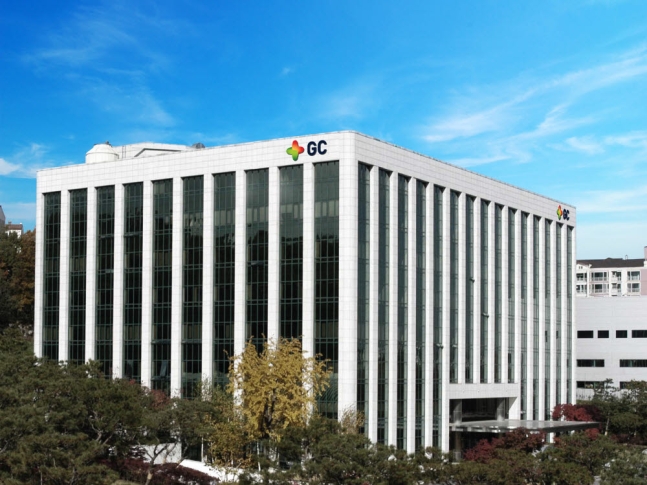
[Asia Economy Reporter Jihee Kim] GC Green Cross announced on the 22nd that its Hunter syndrome treatment Hunterase ICV, administered via intracerebroventricular injection, has received marketing approval from Japan's Ministry of Health, Labour and Welfare (MHLW) through its Japanese partner, Clinigen K.K. This marks the world's first approval of a Hunter syndrome treatment using this administration method.
Hunterase ICV is a treatment method that involves inserting a device into the head to directly deliver the drug into the brain ventricles. This improves upon existing intravenous formulations that cannot cross the blood-brain barrier (BBB) and thus fail to reach the brain parenchymal tissue.
GC Green Cross expects that through Hunterase ICV, the drug will be delivered to the patient's cerebral blood vessels and central nervous system cells, potentially alleviating symptoms caused by central nervous system damage such as cognitive decline and delayed psychomotor development.
In clinical trials conducted by Professor Torayuki Okuyama at Japan's National Center for Child Health and Development, Hunterase ICV significantly reduced heparan sulfate (HS), a key substance causing central nervous system damage, and was shown to maintain or improve developmental age.
Heo Eun-cheol, CEO of GC Green Cross, stated, "This approval will be a great achievement for patients, medical staff, and the community who have worked to address the unmet needs related to central nervous system damage in severe Hunter syndrome patients."
Hunter syndrome is a congenital rare disease caused by IDS enzyme deficiency, resulting in skeletal abnormalities and intellectual disability. It is generally known to occur in approximately 1 out of every 100,000 to 150,000 male children.
© The Asia Business Daily(www.asiae.co.kr). All rights reserved.
![Clutching a Stolen Dior Bag, Saying "I Hate Being Poor but Real"... The Grotesque Con of a "Human Knockoff" [Slate]](https://cwcontent.asiae.co.kr/asiaresize/183/2026021902243444107_1771435474.jpg)















