[Senior Researcher Jong-ik Lee, Maritime Underwater Research Team 1, Defense Technology Quality Institute] The U.S. Navy announced its ‘30-year shipbuilding plan’ in December last year.
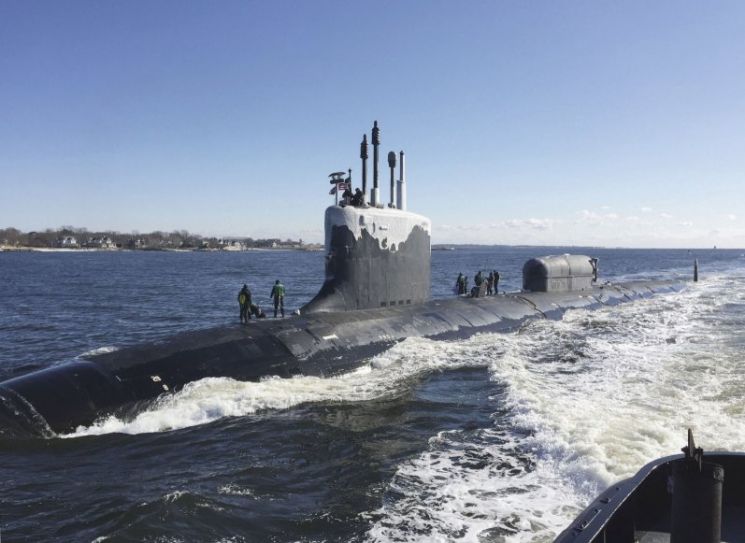
The new U.S. Navy shipbuilding plan maintains the existing aircraft carrier fleet while turning its attention to the development of light aircraft carriers, invests in Columbia-class strategic submarines, significantly increases the number of Virginia-class attack submarines, and aims to substantially expand unmanned systems.
The U.S. Navy’s plan also includes accelerating submarine construction, aircraft modernization, cruiser life extension, and increasing the number of destroyers. The U.S. Navy explained, “Even if we reach operating 355 ships by the early 2030s, this plan is not simply about the number of ships. It concerns the equipment of future forces to sustain national defense.”
Furthermore, before full autonomy, considerable resources will be invested to deploy the entire spectrum of unmanned system capabilities, including manned-unmanned teaming, at an accelerated pace. According to the plan, by 2045, deployment will include 119 unmanned surface vessels and 24 unmanned submarines, and the current 296 manned ships will increase to 403, aiming to operate a total of 546 ships including unmanned systems.
The plan states, “We are currently assessing the industrial base capability to sustain the delivery of three attack submarines annually after 2026, when the follow-on production of Columbia-class strategic submarines begins. This plan targets operating 72 attack submarines by 2045, up from the current 54.” It also includes the total funding requirements for CVN 80/81 aircraft carriers and acquisition plans for the enhanced-performance CVN 82 carrier in 2026.
© The Asia Business Daily(www.asiae.co.kr). All rights reserved.
![Clutching a Stolen Dior Bag, Saying "I Hate Being Poor but Real"... The Grotesque Con of a "Human Knockoff" [Slate]](https://cwcontent.asiae.co.kr/asiaresize/183/2026021902243444107_1771435474.jpg)















