National Palace Museum, Yi Wangga Museum Exhibition Related Glass Plate Photographs Released
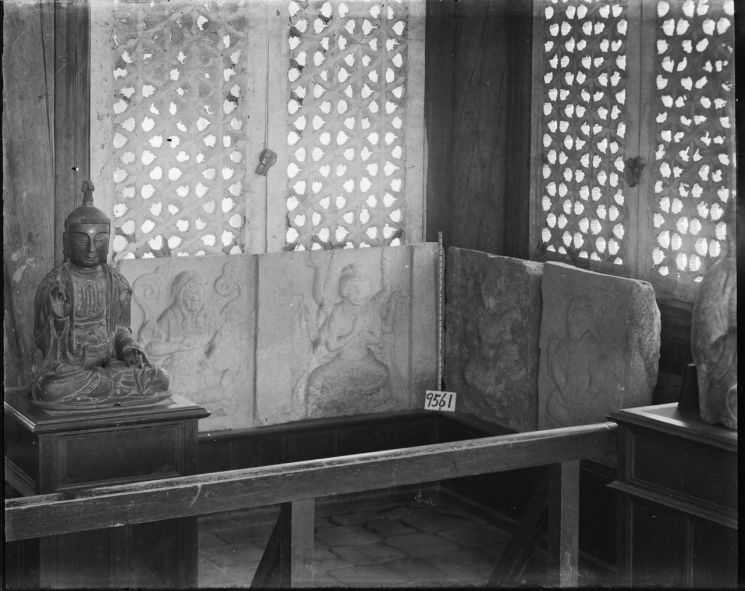
Sixteen glass plate photographs related to the exhibition of the Iwangga Museum will be released on the National Palace Museum's website on the 25th.
The Iwangga Museum was an exhibition space opened in 1909 inside Changgyeonggung Palace under the name Jesil Museum (帝室博物館). It was operated under the leadership of the Japanese colonial government. At that time, the Japanese downgraded Changgyeonggung Palace to a park by establishing a botanical garden and a zoo together. The name was also changed to Changgyeongwon (昌慶苑). The museum was closed when its collection was moved to the newly built Iwangga Art Museum in Deoksugung Palace in 1938.
According to academic sources, the Iwangga Museum displayed stone relics inside Myeongjeongjeon (明政殿), the main hall of Changgyeonggung Palace, and in the attached corridor (퇴간, a space built outside the building). Metalware, ceramics, and lacquerware were exhibited in Haminjeong, Hwanggwanjeon, and Gyeongchunjeon, while paintings were displayed in Tongmyeongjeon and Yanghwadang. Additionally, in a new building constructed in 1911 on the site of the old Jagyeongjeon, so-called masterpieces such as gilt-bronze Buddha statues, mother-of-pearl lacquerware, and celadon were housed.
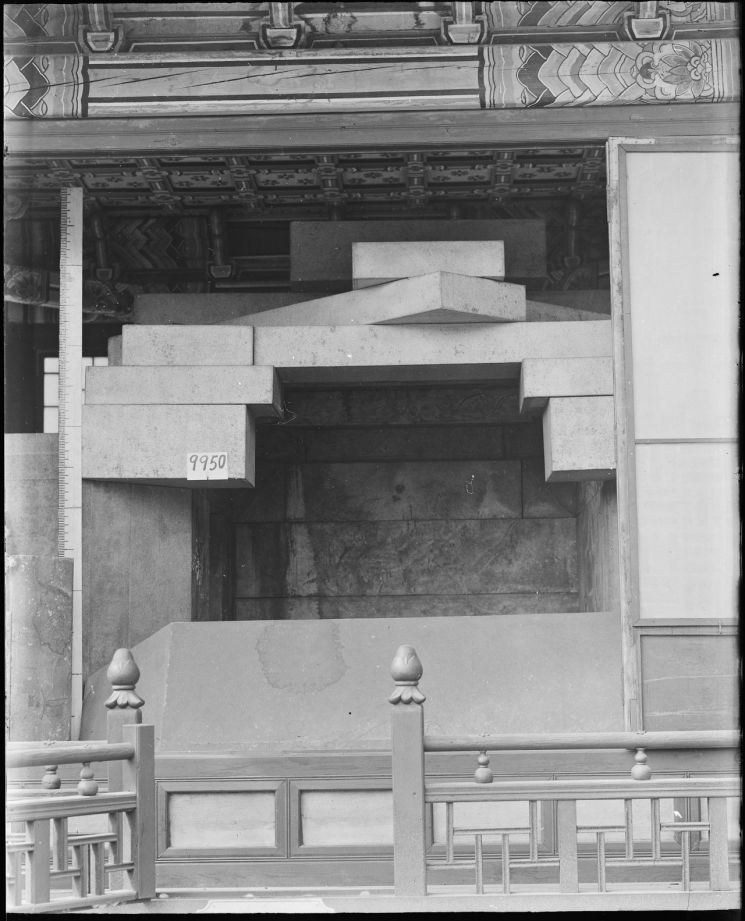
This arrangement is based on historical documents. The glass plate photographs released this time allow direct verification. The photos include the stone tower base stones (面石, flat stones) with sculptures of the Eight Heavenly Generals (八部衆像) displayed inside Myeongjeongjeon, gilt-bronze Buddha statues, Chinese Buddhist stele images, and models of Goguryeo mural tombs installed in other buildings. An official stated, "Since a label with a unique identification number and a ruler for size measurement are placed next to the photographed relics, it is presumed that the photos were taken as part of collection management work." They added, "The exact date is unknown, but it is believed to be between 1916 and 1938, when the Iwangga Museum acquired the Chinese Buddhist stele images."
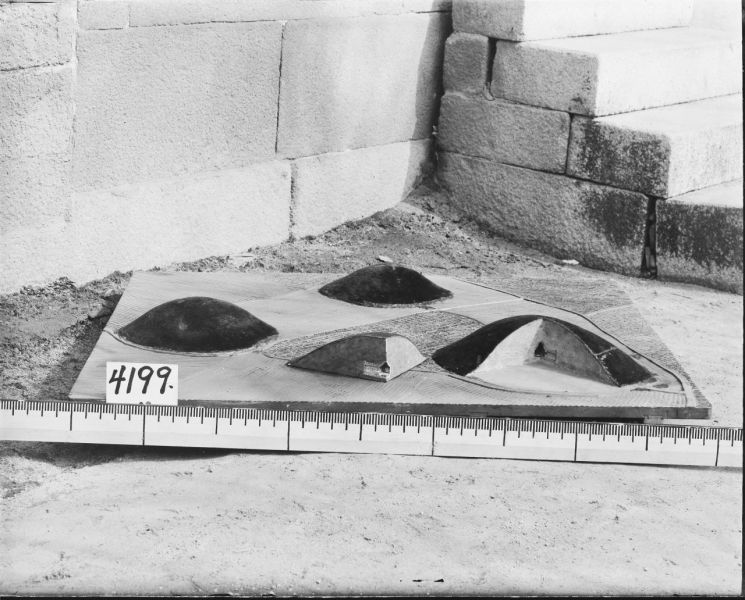
The National Palace Museum holds about 7,000 glass plate negatives photographing the relics of the Iwangga Museum. These plates were coated with a liquid photographic emulsion and dried, corresponding to modern black-and-white photographic film. An official said, "Digitalization and content verification for each photograph have been completed," and added, "After additional preparation, they are scheduled to be released in the first half of next year."
© The Asia Business Daily(www.asiae.co.kr). All rights reserved.
![Clutching a Stolen Dior Bag, Saying "I Hate Being Poor but Real"... The Grotesque Con of a "Human Knockoff" [Slate]](https://cwcontent.asiae.co.kr/asiaresize/183/2026021902243444107_1771435474.jpg)


















