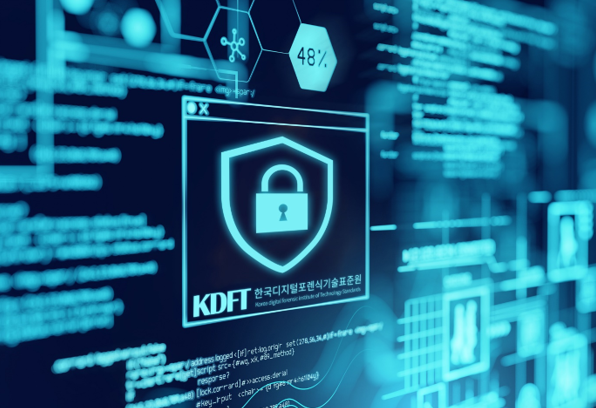
With the introduction of next-generation technologies such as cloud services, artificial intelligence (AI), and the Internet of Things (IoT), the digitalization of detailed areas within companies is deepening, and the indicator used to evaluate corporate capabilities is being referred to as ‘Resilience.’ Resilience, meaning ‘the ability to recover,’ signifies having strong competitiveness along with crisis response from a management and economic perspective.
In particular, due to the COVID-19 pandemic, most companies worldwide have implemented remote work, and damages caused by the lack of resilience due to vulnerabilities in security are increasing.
According to a report by Nihon Keizai Shimbun, on the 25th, a hacking incident occurred targeting the core IT (Information Technology) infrastructure of 38 Japanese companies, including Asahi Kasei. It is suggested that external accounts essential for remote work may have been leaked in this incident, raising concerns that such cybercrimes will not be one-time occurrences.
In the past, most companies focused primarily on detecting and responding to internal and external threats as their first line of defense. However, as various cyber threats arise due to the digitalization of the corporate environment, interest in digital forensics?which can enhance resilience capabilities through a more detailed system that identifies threats, responds to them, and then proceeds with recovery?is increasing among companies.
Choi Gyu-jong, CEO of KDFT Korea Digital Forensic Technology Standards Institute Co., Ltd., stated, “When cybercrimes such as hacking occur, damage can rapidly spread throughout the entire corporate infrastructure,” adding, “Digital forensic technology is being utilized to establish security systems and build infrastructure within companies to respond swiftly to cybercrimes, and inquiries from security personnel within companies are continuously increasing.”
In fact, the Organisation for Economic Co-operation and Development (OECD) advised in 2019, through recommendations on addressing threats in the digital environment, that resilience related to digital security capabilities should be established from the perspective of business continuity.
Accordingly, KDFT Korea Digital Forensic Technology Standards Institute Co., Ltd. provides a three-stage security solution (identification, response, recovery) using digital forensic technology to help strengthen companies’ security resilience capabilities, focusing on building information security-related infrastructure and protecting critical information assets within companies.
Furthermore, KDFT Korea Digital Forensic Technology Standards Institute Co., Ltd. plans to establish an academy by the end of this year to not only perform security services utilizing digital forensics but also to cultivate talent capable of providing total solutions in the digital forensic field with cognitive and social competencies in digital technology.
CEO Choi Gyu-jong said, “It is necessary to effectively use digital forensic technology to build security systems and increase productivity in domestic companies,” and added, “Since digital forensics is mentioned as a new growth engine to maintain expertise in the domestic advanced technology industry, the education and training system for digital forensics must be continuously improved, which is why we have undertaken this project.”
© The Asia Business Daily(www.asiae.co.kr). All rights reserved.
![Clutching a Stolen Dior Bag, Saying "I Hate Being Poor but Real"... The Grotesque Con of a "Human Knockoff" [Slate]](https://cwcontent.asiae.co.kr/asiaresize/183/2026021902243444107_1771435474.jpg)















