Daily Average COVID-19 Cases in Japan Surge from 546 to 1,305
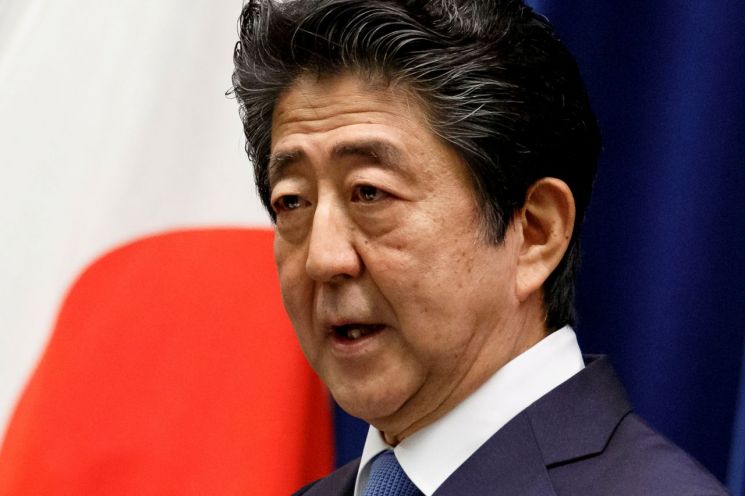
[Asia Economy Reporter Kwon Jae-hee] According to the Asahi Shimbun on the 6th, the weekly number of new coronavirus (COVID-19) cases in Japan increased 2.4 times after the implementation of the Abe administration's tourism promotion project, 'Go To Travel.'
The Go To Travel project is a program devised by the Abe administration to revitalize the tourism industry, which was hit hard by the COVID-19 pandemic. It subsidizes about 50% of domestic travel costs (up to 20,000 yen per night per trip).
Based on announcements from regional governments, Asahi Shimbun's own tally showed that the average daily number of COVID-19 cases in Japan during the week before the Go To Travel project started (July 15-21) was 546.
During this period, Tokyo reported an average of 232 cases per day, while other prefectures had fewer than 100 cases daily. Notably, eight prefectures including Kyushu and Tohoku reported no cases at all.
However, during the week from July 29 to August 4, the average daily cases nationwide surged to 1,305.
By region, Tokyo had 344 cases, Osaka Prefecture 184, Aichi Prefecture 158, and Fukuoka Prefecture 117, with these four prefectures recording triple-digit daily averages.
Nearby prefectures of major cities such as Chiba, Kanagawa, and Hyogo also showed notable increases in COVID-19 spread.
Among them, Okinawa Prefecture saw a sharp rise from an average of 1 case per day in the week before Go To Travel started to 58 cases in the most recent week ending on the 4th of this month.
Kumamoto Prefecture in Kyushu also increased from less than 1 case to 21 cases during the same period.
The Asahi Shimbun reported, "As the government promotes the tourism support measure 'Go To Travel' and the Obon holiday (similar to Korea's Chuseok) homecoming season begins, cases of infection spreading through travel and homecomings are occurring nationwide."
Furthermore, Asahi pointed out, "Infection cases confirmed by local governments reveal that it is difficult to reconcile human movement across regional boundaries with infection prevention."
© The Asia Business Daily(www.asiae.co.kr). All rights reserved.
![Clutching a Stolen Dior Bag, Saying "I Hate Being Poor but Real"... The Grotesque Con of a "Human Knockoff" [Slate]](https://cwcontent.asiae.co.kr/asiaresize/183/2026021902243444107_1771435474.jpg)















