[Asia Economy Honam Reporting Headquarters Reporter Kim Young-gyun] Hwasun County, Jeonnam (Governor Gu Chung-gon) is implementing women-tailored policies in response to the ‘feminization’ of rural and agricultural populations and workforce.
According to the county on the 13th, in line with the growing role of women, including the increase in female agricultural managers, various projects for women farmers are being carried out to create a rural area where women farmers can live well and to realize sustainable rural and agricultural development, covering everything from childbirth to timely farming and cultural enjoyment.
Along with this, the county is supporting 35 units of women-friendly multi-purpose small electric transport vehicles for the first time this year to alleviate the workload of elderly and female farmers and to reduce fine dust.
The support targets include single-person household female farmers residing in the county, elderly farmers, and returnees to farming, with one vehicle supplied per farm as a principle, and 70% of the purchase cost of the small electric transport vehicle is supported according to priority.
Subscription to comprehensive agricultural machinery insurance is a mandatory condition for support, ensuring safety and compensation for physical and property losses for women farmers.
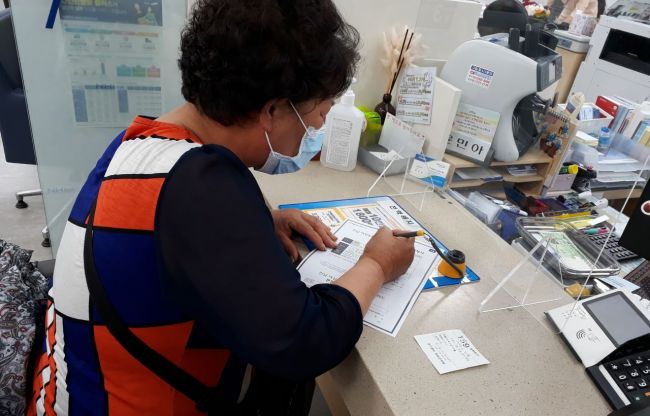
Previously, since 2017, the county has promoted the Women Farmers Happiness Voucher support project to expand cultural enjoyment opportunities for women farmers in rural areas with poor cultural infrastructure.
In 2017, 1,769 people were supported with 100,000 KRW per person (including a 20,000 KRW self-payment), and since last year, the support amount has been increased to 200,000 KRW per person, while the self-payment ratio was reduced from 20% to 10%.
This year, the support target is 2,886 people, steadily increasing every year, showing high responsiveness from women farmers.
As a policy to reduce the household burden of women farmers during the busy farming season and to improve agricultural productivity through participation and concentration in farming, the county started communal village meals during the busy season in 2015.
It also supports 1 million KRW in labor costs and 1.18 million KRW in food expenses per village, and for villages unable to participate due to lack of meal facilities or manpower, it manages them by utilizing a ‘side dish delivery system’ to ensure no village is left out.
In the first year of implementation in 2015, the number of supported villages was 41, which has greatly increased to 106 this year.
A county official said, “The core of the women farmers support project is to create a rural society where women can live well and for women farmers to develop their potential to build sustainable agriculture and rural areas,” adding, “We will continue to discover and promote projects that meet the demands of women farmers to contribute to improving farm income and quality of life.”
© The Asia Business Daily(www.asiae.co.kr). All rights reserved.