The Highest Incidence of Fatal Electric Shock Accidents Occurs in Summer... Learn Prevention Methods in Advance
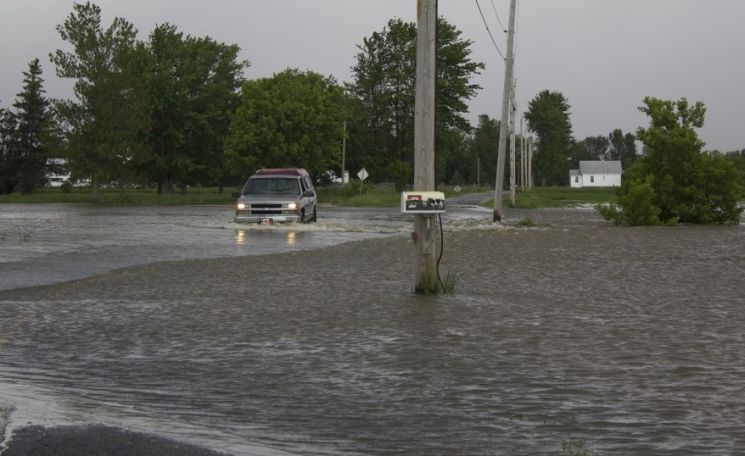
[Asia Economy Yeongnam Reporting Headquarters Reporter Kim Yong-woo] It is a season with a high incidence of electric shock accidents caused by water submerged on roads during the rainy season and moisture inside homes, so special caution is required.
According to electrical disaster statistical analysis, from 2016 to 2018, there were a total of 1,593 electric shock accident casualties, of which 54 died. July, the humid rainy season with frequent rain, accounted for 14%, the highest number of casualties throughout the year.
When electric shock occurs, tissue damage caused by electricity and burns caused by heat occur simultaneously. The degree of damage is determined by the type and amount of current, contact time, passage route, and body resistance. In cases of burns caused by electric shock, skin grafts may be required depending on the condition.
If the path of electricity through the body flows vertically from head to toe or horizontally from one hand to the other through the chest, the risk of cardiac arrhythmia or respiratory arrest increases.
One of the most common complications when burns occur is arrhythmia. To check this, an electrocardiogram (ECG) test is performed, and if no arrhythmia is detected immediately after the electric shock accident, the probability of complications is not high.
There are also cases where the victim cannot escape the current source, causing severe damage, or is thrown away from the current source, causing trauma. Muscle rupture or fractures caused by electric shock accidents can be treated with fixation in mild cases or surgery in severe cases. Although rare, complications such as muscle necrosis, osteomyelitis, and nerve paralysis may occur due to electric shock accidents.
Joo Yong-min, head of the Regional Emergency Medical Center at Daedong Hospital in Busan (specialist in emergency medicine), emphasized, “When an electric shock accident occurs, first confirm that the scene is safe, then immediately cut off the power and call 119 for help. If it is difficult to cut off the power, you should remove the current source from the patient’s body using rubber gloves or a dry stick, and you must not touch the patient while the current source is still connected.”
To prevent electric shock accidents during the rainy season, regularly check whether the leakage circuit breaker is working, and be sure to replace old or damaged wires.
To prepare for strong winds, remove or firmly secure signboards, banners, awnings, etc., that may come into contact with electrical equipment in advance, and do not place electrical products in damp or wet places or touch them with wet hands.
During heavy rain, avoid approaching streetlights, traffic lights, manhole covers, etc., and if your home is flooded, immediately turn off the circuit breaker in the distribution box. Always check whether electricity is flowing before entering flooded areas, and appliances that have been submerged in water once pose a risk of electric shock if used as is, so check with the customer service center for each product before use.
© The Asia Business Daily(www.asiae.co.kr). All rights reserved.
![Clutching a Stolen Dior Bag, Saying "I Hate Being Poor but Real"... The Grotesque Con of a "Human Knockoff" [Slate]](https://cwcontent.asiae.co.kr/asiaresize/183/2026021902243444107_1771435474.jpg)















