The Worst Long-Unsolved Case 'Lee Chun-jae Serial Murder Case' Concludes 34 Years After First Incident and 1 Year After Reinvestigation
Out of 34 Rapes, 25 Cases Lack Specificity in Lee Chun-jae's Statements and Victims' Refusal to Testify Makes Proof Difficult
Investigation Officials Confirmed for Abuse and Forced False Testimony... Prosecution Statute Expired, Punishment Impossible
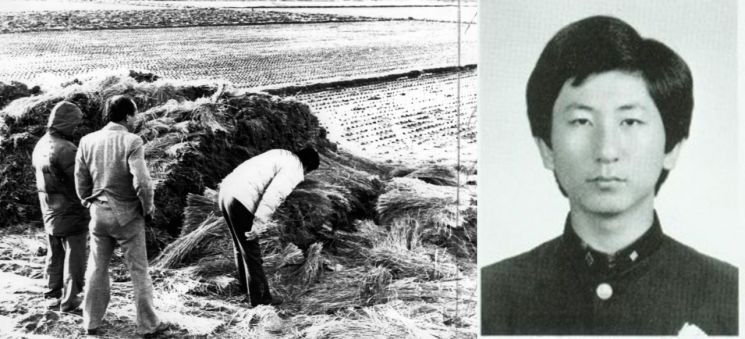
[Asia Economy Reporters Yoo Byung-don and Lee Jung-yoon] The Lee Chun-jae serial murder case, the worst long-unsolved violent crime in South Korea's history, has been conclusively determined to have been entirely committed by Lee Chun-jae.
The Investigation Headquarters for the Lee Chun-jae Serial Murder Case at the Gyeonggi Nambu Provincial Police Agency announced the results of a year-long investigation on the 2nd. On that day, the headquarters stated that all 14 murder cases and 9 rape cases were committed by Lee Chun-jae and that they plan to transfer the case to the prosecution.
Last year on July 15, the police requested forensic analysis of some evidence from the 9th case by the National Forensic Service, and on August 9 of the same year, they were informed that Lee Chun-jae's DNA was detected while he was incarcerated. Accordingly, the police formed an investigation headquarters consisting of 57 members, including the head of the Gyeonggi Nambu Police Agency's 2nd Division as the chief, an unsolved cases investigation team, a metropolitan investigation unit, a victim protection team, a testimony analysis team, a legal review team, and external experts, and have been conducting an all-out investigation.
◆Crimes evolved over 14 incidents... Why Lee Chun-jae is the true culprit
Lee Chun-jae initially denied the crimes during the first interview on September 18 last year, but after recognizing the DNA detection and the impossibility of parole during the fourth interview (September 24), he confessed to 14 murders and 34 rapes.
The police conducted a total of 52 interviews and judged that Lee Chun-jae's statements, which were made arbitrarily based on his memory without any explanations or evidence for individual cases, were highly credible because the chronological flow of the crime process was natural and the detailed explanations were rich. The detection of Lee Chun-jae's DNA in five key pieces of evidence among the murder cases also increased the credibility of his confession.
In particular, Lee Chun-jae reasonably explained facts that had been misunderstood or overlooked at the crime scenes, and the core parts of his statements matched past investigation records. The police explained that the fact that the 14 murders confessed by Lee Chun-jae appeared in partially evolved forms also supports that he was the perpetrator.
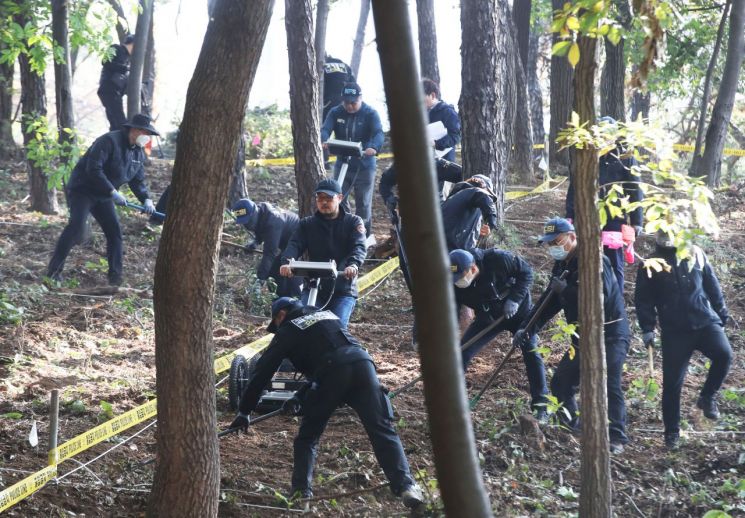
◆Only 9 of 34 rape cases proven... Investigation of additional crimes ‘halfway done’
Furthermore, the 34 rape cases confessed by Lee Chun-jae were analyzed as a series of crimes linked to the serial murders, as the timing and locations matched, and the methods of the crimes were similar. However, the police concluded that only 9 rape cases had sufficient evidence to attribute to Lee Chun-jae. For the remaining 25 cases, the specificity of Lee Chun-jae's statements was lower compared to the murder cases, and difficulties arose in uncovering additional charges due to victims not wanting to testify, among other reasons.
The police conducted multifaceted investigations into the possibility of additional crimes by Lee Chun-jae, including lie detector tests, forensic hypnosis, and profiler psychological analysis. In particular, regarding a murder case near Lee Chun-jae's residence in 1992, the lie detector test showed false responses from Lee Chun-jae, and during forensic hypnosis, he exhibited characteristics of psychological defense mechanism suppression.
However, since Lee Chun-jae firmly denied the crimes and the investigation records at the time were insufficient, no evidence was found to prove his involvement. The police plan to continue verifying connections to similar modus operandi cases even after transferring the case to the prosecution to confirm any additional crimes by Lee Chun-jae.
◆Investigation officials at the time admitted illegal acts... Prosecution difficult due to statute of limitations
The police confirmed facts such as false confessions due to assault and harsh treatment during the investigation, coercion to write false statements, and fabrication of false official documents, and filed charges of abuse of authority and detention against eight police officers and prosecutors involved in the investigation. However, since the statute of limitations has expired for these individuals, the case was initially transferred with a ‘no prosecution’ opinion.
Regarding the elementary school student murder case, two officers, including the detective chief who concealed part of the victim's remains, were charged with concealment of a corpse and evidence tampering, but similarly, the case is expected to be transferred with a ‘no prosecution’ opinion due to the expiration of the statute of limitations.
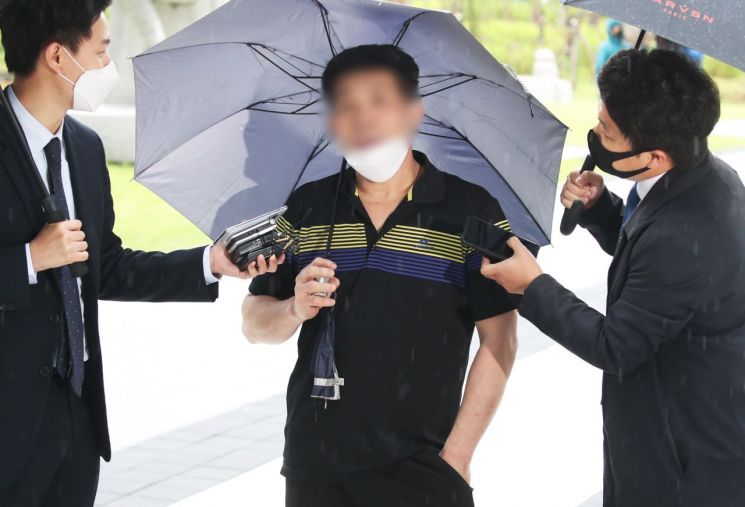
Meanwhile, on the same day, Bae Yong-joo, chief of the Gyeonggi Nambu Provincial Police Agency, said, “I pray for the souls of the victims who were brutally killed by Lee Chun-jae’s crimes, and offer my deepest condolences to the bereaved families. I also bow my head in apology to Yoon Mo, who was wrongfully imprisoned for 20 years as a suspect, his family, and all those who suffered due to the excessive investigation by the police at the time.”
© The Asia Business Daily(www.asiae.co.kr). All rights reserved.
![Clutching a Stolen Dior Bag, Saying "I Hate Being Poor but Real"... The Grotesque Con of a "Human Knockoff" [Slate]](https://cwcontent.asiae.co.kr/asiaresize/183/2026021902243444107_1771435474.jpg)

















