Ahead of the General Meeting Season, Low Attendance Rates Cause Concern... Corporate Briefings and IR Meeting Schedules Canceled One After Another
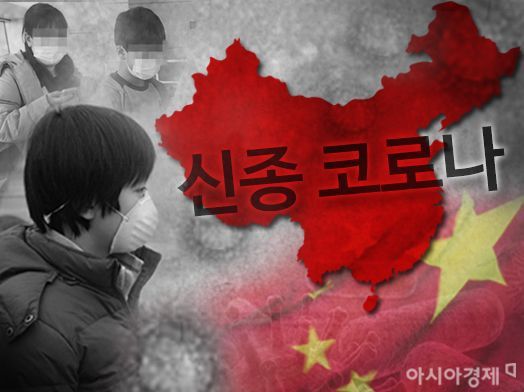
[Asia Economy Reporters Bomryeong Geum, Minji Lee] Listed companies are facing an emergency due to the impact of the novel coronavirus infection (COVID-19). Ahead of the regular shareholders' meeting season, shareholder attendance is expected to be low, and the briefings held annually for institutional investors during the earnings season are being canceled one after another.
According to the financial investment industry on the 18th, it is predicted that fewer individuals will attend the shareholders' meetings this year to avoid COVID-19.
Companies that need to secure a quorum for voting are sighing deeply. Since the shadow voting system was abolished in 2017, securing a quorum has become difficult, and to make matters worse, the COVID-19 crisis has occurred. One individual investor said, "It's hard enough to decide to visit the shareholders' meeting on a weekday because of work, and with even personal gatherings being canceled, I don't feel the need to go." Especially this year, with the strict enforcement of the six-year term limit for outside directors (nine years including affiliates), securing a quorum to pass the agenda for newly appointing outside directors is urgent. According to the Korea Listed Companies Association, 566 listed companies need to elect new outside directors at this year's regular shareholders' meetings, with 718 outside directors to be newly appointed.
Using proxy voting agencies, which cost about 5 to 10 million KRW for a 1% stake, is also burdensome for smaller companies. A representative from a listed company said, "This year, we are more worried about the possibility of agenda rejection," adding, "Although electronic voting has been introduced, it is uncertain whether it will have a significant effect."
Due to COVID-19, schedules for corporate briefings (NDR) and IR meetings of listed companies have also been canceled or changed one after another. Seoul Semiconductor postponed its offline briefing for institutional investors and analysts, which is held annually, to April. The event was supposed to be held on the 12th but was rescheduled for COVID-19 management reasons. Medipost changed its corporate briefing to one-on-one individual meetings, which will continue until the 28th.
A representative from a listed company's IR department lamented, "About two-thirds of the daily schedule has been canceled," adding, "During the period when confirmed earnings are released, IR should be based on those results, but as contact points with institutional officials decrease, even if high earnings are achieved, there is no proper channel to communicate." Looking at the number of listed companies that have disclosed corporate briefings since COVID-19 broke out domestically, there is a noticeable difference. In 2018 and from January 20 to February 17 last year, 63 and 62 KOSDAQ-listed companies disclosed corporate briefings, respectively, but this year, only 52 companies announced they would hold corporate briefings during this period.
© The Asia Business Daily(www.asiae.co.kr). All rights reserved.
![Clutching a Stolen Dior Bag, Saying "I Hate Being Poor but Real"... The Grotesque Con of a "Human Knockoff" [Slate]](https://cwcontent.asiae.co.kr/asiaresize/183/2026021902243444107_1771435474.jpg)
















