Expansion of Tourism Hub Facilities, Establishment of Public-Private Tourism Governance, and Aggressive Promotional Marketing Strategy
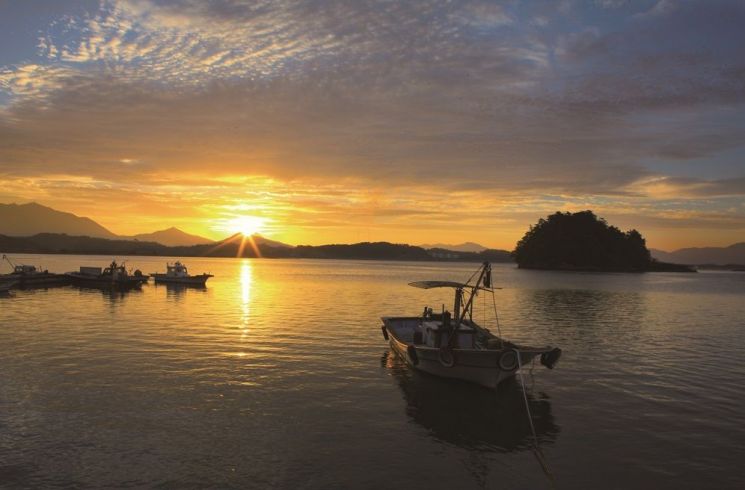
[Asia Economy Honam Reporting Headquarters, Reporter Kim Chunsu] Gwangyang City, which has declared the inaugural year for the leap of Gwangyang tourism and is making every effort to build a brand and enhance its image to soar as a tourist city, has unveiled its 2020 Gwangyang tourism vision.
According to Gwangyang City on the 23rd, the city plans to carry out tourism-friendly administration across all departments, including the tourism division, as it enters the second year of establishing the ‘Basic Plan for Tourism Promotion in the 7th Elected Term,’ which includes the development of tourism resources by region and differentiated marketing strategies.
The basic tourism plan, established in January last year, encompasses overall tourism sectors such as strategic projects for tourism development by hubs, expansion of tourism infrastructure, and promotional marketing plans, supporting the city’s philosophy to foster the tourism industry as a future strategic industry during the 7th elected term.
In 2020, the second year of implementing the basic plan, the vision is set as ‘Realizing everyday tourism enjoyed by citizens and a tourist city revisited by tourists,’ with the ambitious goal of ‘attracting 5.5 million tourists and achieving an economic inducement of 148.5 billion KRW.’
The directions for promotion include ‘creating tourism attractions that citizens enjoy daily and tourists are satisfied with, fostering a four-season stay tourism city by expanding regionally specialized tourism resources, focusing on branding and promoting Gwangyang Bay’s distinctive tourism resources, and establishing tourism governance involving citizens and tourism stakeholders.’
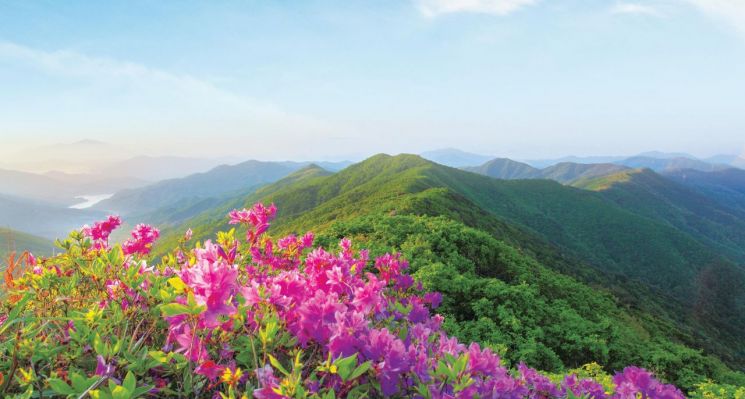
◆ Rapid Expansion of Core Tourism Infrastructure and Synergy Creation Projects
The city will select priority tourism infrastructure projects by region for focused investment and promptly expand tourism infrastructure and synergy creation projects linked with related departments and key resources.
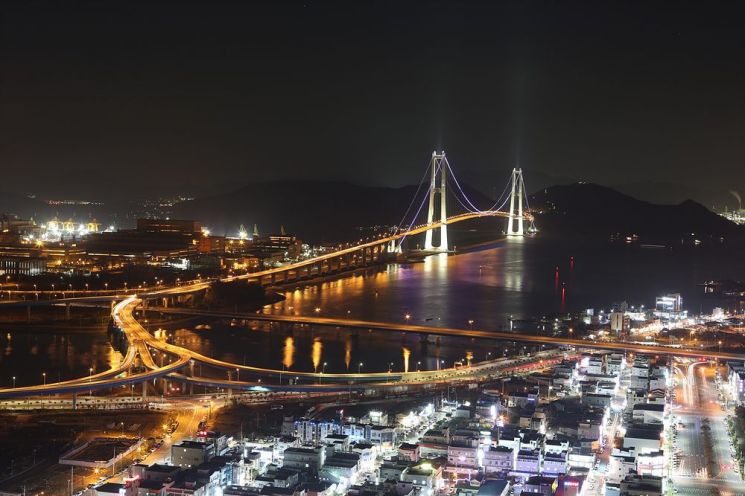
The core project, the Gwangyang Haevichiro Road construction, will complete the lighting project connecting five bridges ? Kumho Bridge, Gilho Bridge, Yi Sun-sin Bridge connection section, and the Ma-dong IC connection bridge of Yi Sun-sin Bridge ? and the coastline by mid-year, along with installing a night view observation deck on Samhwa Island.
This will transform the Gwangyang Haevichiro area into a night view attraction, expected to increase the number of tourists enjoying Gwangyang’s nights.
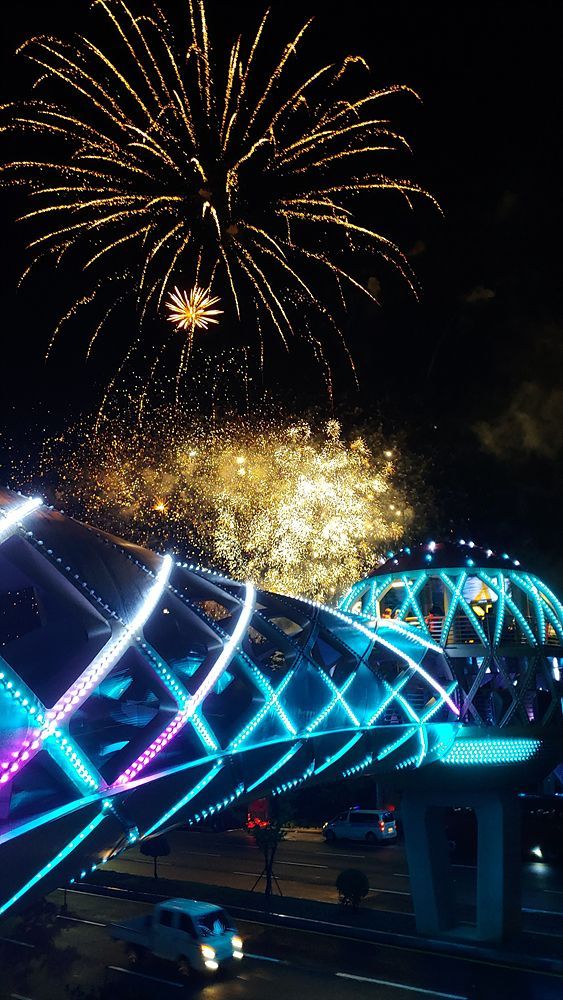
Additionally, to connect the Rainbow Bridge and Haeoreum Overpass, the first phase of the Moonlight Beach (pier and waterfront space) construction through the expansion of public waters will be completed, followed by the commencement of the second phase of the Moonlight Beach foundation work under the Samhwa Island?Ma-dong IC connection bridge in the first half of the year, to be completed by 2021.
The upper part of Moonlight Beach is planned to include ▲Experience Play Zone ▲Theme Rest Zone ▲Cultural Community Zone ▲Sea Viewing Zone, with upper facilities planned by 2022 following the foundation work.
Furthermore, phase projects such as the Kinetic Art Plaza on Samhwa Island, Crane Landscape Lighting Night Zoo, Proposal House, and Bicycle Highway (Samhwa Island?Kumho Bridge), along with the Fishermen’s Village New Deal 300 project and nearby seafood comprehensive logistics center, are expected to maximize synergy upon completion.
For the restoration of the Seomjin River waterway and water leisure projects, three restored ferry terminals, riverside beaches, and MTB experience sites have been completed, and this year, two waterside rest areas and four zipline lines between Mangdeok Mountain and Baealdo Waterside Park will be installed.
The zipline will be publicly recruited for private consignment operation in the first half of the year, alongside attracting private investment for water leisure facilities to create synergy.
As part of the Mangdeok Port tourism attraction project, the suspension bridge-style sea walkway between Mangdeok Port and Baealdo, started last year, will be completed by the first half of 2021, connecting Mangdeok Port and Baealdo Waterside Park centered on Baealdo by sea.
The Baegunsan Four Major Valleys Tourism Attraction Project has completed Bonggang Seongbul Valley with a maintained trail and Okryong Donggok Valley with a created river island in Chudong, and the ecological exploration trail in Jinsang Eochi Valley will be completed by the first half of this year. The Daap Geumcheon Valley, planned with a camping site and parking lot, will be completed by next year.
The strategy is to restore the former fame that had stalled through the Baegunsan Four Major Valleys Tourism Attraction Project.
The Gubongsan Tourism Complex Development Project will be applied for as a new project in 2021 to Jeollanam-do Province, and with the nearby golf course and business hotel entering the Gubongsan Tourism Complex Development Project (LF Square) and the family-type children’s theme park becoming visible, it is expected to be a key tourist destination alongside Gwangyang Haevichiro Road.
◆ Aggressive Promotional Marketing to Attract Large-scale Flow Tourism Market
In line with the tourism trend emphasizing experience and emotion, an integrated BI (Brand Identity) will be developed based on a slogan that implies the value and characteristics of Gwangyang tourism, improving the city image and initiating strategic city marketing.
The design of the slogan selected through a contest by February will be completed, and a Gwangyang Tourism BI proclamation ceremony will be held with citizens. The BI will also be used in various promotional materials and videos.
‘10 Reasons to Visit Gwangyang’ will be selected by theme by February for focused promotion, activating gourmet tourism as a comparative advantage resource and regularizing events (festivals) to draw attention to Gwangyang tourism.
The city will actively utilize official SNS (Facebook, blog, Twitter, YouTube, etc.) and maintain year-round tourism promotion through dedicated tourism promotion personnel.
Additionally, major tourist sites and food will be frequently exposed through YouTube creators and influencers, who serve as the network hub.
Furthermore, tourism briefings to attract tourists from the Busan and Gyeongsang regions, emerging as new consumer groups, and face-to-face marketing by directly visiting influential travel agencies will be prioritized.
This year, TV advertisements and advertisements in multi-use facilities such as Suncheon Station, Yongsan Station, and Busan Station will be launched for the first time.
In particular, a Gwangyang tourism information center will be installed at Suncheon Station, and a symbolic tourism sculpture will be placed in the station plaza to actively attract KTX users from the metropolitan area.
Mobile tourism promotion vehicles and promotional materials will also be used for direct, on-the-ground promotional campaigns at major domestic festival sites and tourist attractions.
◆ Development of Tourism Courses and Branding of Gwangyang Foodie Travel
Diversity and competitiveness will be secured through the development and operation of glocal tourism content utilizing potential unique resources, and the city’s tourism capabilities will be strengthened along with wellness tourism products.
In response to citizens’ and tourists’ criticism that “there is nowhere to go in Gwangyang,” seven recommended Gwangyang travel courses ? forest experience, taste tours, light tours, flower viewing, Seomjin River tours (bicycle), rural living, and memory tours ? will be updated and promoted monthly.
To activate the recent travel trend of foodie travel, a Gwangyang Food Tourism Activation T/F team has been formed and a master plan established, with aggressive promotions such as storytelling, inviting celebrities for foodie fam tours, viral marketing, and listing in gourmet guidebooks to leap forward as the number one food tour destination.
Tourists will be attracted through the reorganization and consulting of existing food towns, the creation of food towns themed on representative dishes such as charcoal-grilled chicken, and fostering traditional Gwangyang four-season restaurants.
Food columnists and influencers will be invited to food experience events to effectively promote Gwangyang’s flavors and brand Gwangyang foodie travel.
◆ Strengthening Regional Tourism Capacity through Tourism Governance with Public and Private Cooperation
The city will strengthen tourism ideas and advisory functions by establishing a permanent tourism network with experts such as the city’s Tourism Promotion Council and Festival Committee.
In particular, to establish a citizen-led tourism council, meetings and benchmarking with tourism workers and organizations will be conducted in the first half of the year, followed by drafting bylaws, forming a board of directors, and holding a founding general meeting in the second half. By the end of the year, the council will apply for incorporation and register establishment to operate fully next year.
The tourism council’s operating organization will be housed in the Sunshine Tourism Collaboration Center, selected last year in a Ministry of Culture, Sports and Tourism contest, which will be completed by the end of this year and staffed with resident personnel next year. The tourism collaboration center plans to operate the tourism council on consignment.
The Sunshine Tourism Collaboration Center, the first of its kind established in Jeollanam-do, will form a tourism human resource base through various levels of organizational linkage and provide stable communication spaces and high-quality hospitality services to local tourism businesses.
The city will publicly recruit 100 members for the Gwangyang Travel Promotion Monitoring Team, consisting of youth and citizens, to deploy them in various promotional events and assign them as the vanguard of tourism promotion through individual SNS.
To foster a tourism city, the city will expand opportunities to build citizen consensus on the importance of local tourism through tourism mindset cultivation, friendly service education, and Gwangyang tourist site tours targeting tourism stakeholders, citizens, businesses, and organizations.
Tourism business startups and nurturing based on resident communities will also continue. After being newly selected as a Tourism Dure (Tourism Cooperative) region last year, Gwangyang discovered five resident businesses, and this year will actively support successful startups and management improvement pilot projects for these discovered businesses.
By solidly establishing the tourism governance foundation as above, the city will select and award the ‘Gwangyang Tourism Marketer of the Year’ at the end of the year, further enhancing the image of the tourism city.
To increase the execution power of the 7th Elected Term Tourism Promotion Basic Plan, Gwangyang City will hold tourism strategy meetings twice a year chaired by the mayor to directly check the progress. At the end of each year, a final review of the progress will be conducted to supplement additional measures.
Mayor Jeong Hyun-bok of Gwangyang said, “2020 is an important year when Gwangyang City will start vigorous wings to soar as a full-fledged tourism city. We will establish stable governance that shares policies with citizens, and steadily promote core tourism projects to realize a premium tourism city.”
He added, “Especially, we will take the era’s demand emphasizing distinctive glocal tourism utilizing local unique assets as a growth engine, proactively plan and discover projects that weave comparative advantage resources well, create tourism-related jobs, and make Gwangyang bustling with tourists.”
© The Asia Business Daily(www.asiae.co.kr). All rights reserved.
![Clutching a Stolen Dior Bag, Saying "I Hate Being Poor but Real"... The Grotesque Con of a "Human Knockoff" [Slate]](https://cwcontent.asiae.co.kr/asiaresize/183/2026021902243444107_1771435474.jpg)

















