30,000 Artifacts from Mireuksaji, Iksan Wanggung-ri, and Ssangneung Stored
Special Exhibition 'Sari Jang-eom, Another World Inside the Pagoda' Held
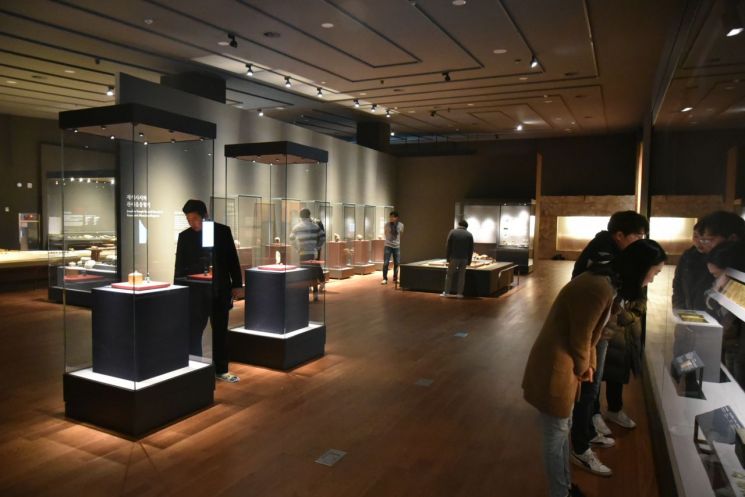
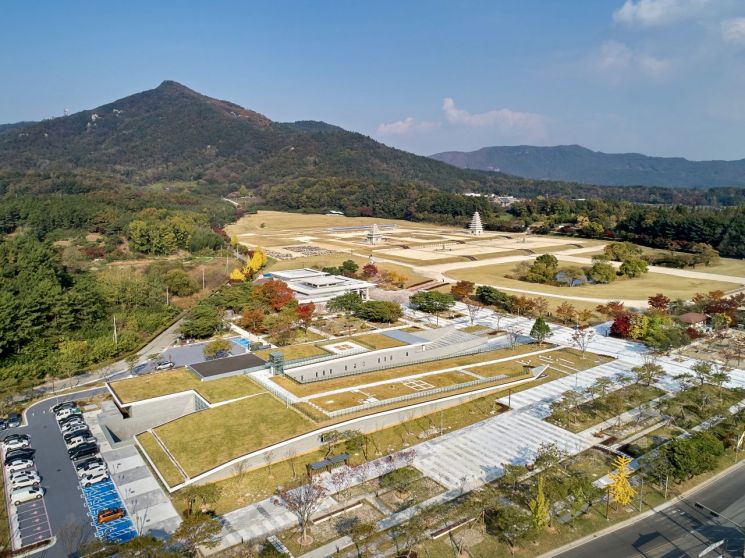
The National Iksan Museum, which will store and exhibit cultural assets from the northwestern part of Jeonbuk, opened on the 10th. It is a space created when the Mireuksaji Relics Exhibition Hall was converted into a national museum in 2015 after the Baekje Historic Areas were registered as a UNESCO World Heritage Site. It is located southwest of Mireuksaji, Historic Site No. 150. To preserve the surrounding landscape, it was built with two underground floors and one above ground. The total floor area is 7,500㎡, and the exhibition hall area is 2,100㎡.
The National Iksan Museum houses about 30,000 relics excavated from Mireuksaji, the Iksan Wanggung-ri site, Ssangneung, and other locations. The permanent exhibition hall showcases over 3,000 items, including eleven national treasures and three designated treasures.
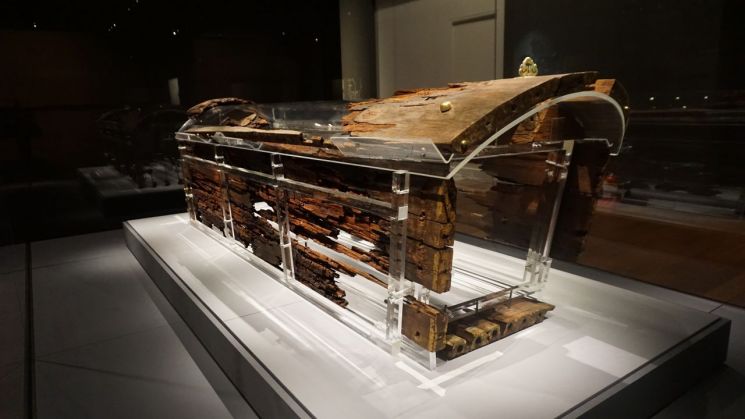
Items on display for the first time include a silk and gold-threaded wrapping cloth presumed to be a bojagi (wrapping cloth) that covered the sarira reliquary set from the Mireuksaji stone pagoda, a monk statue head believed to have been enshrined inside the wooden pagoda or main hall at Jesaeksa Temple Site, a lead-glazed jar inscribed with ‘Baeksa (伯士)’ indicating repairs to the stone pagoda during the Unified Silla period, and the wooden coffin from the royal tomb at Ssangneung. The National Jeonju Museum’s national treasure, the sarira reliquary set from the five-story stone pagoda at Wanggung-ri, the gilt-bronze crown from the Iksan Ipjeom-ri tumulus cluster, and the pure gold Buddha statue excavated from Iksan Wonsu-ri have also returned to their hometown, Iksan, to meet visitors.
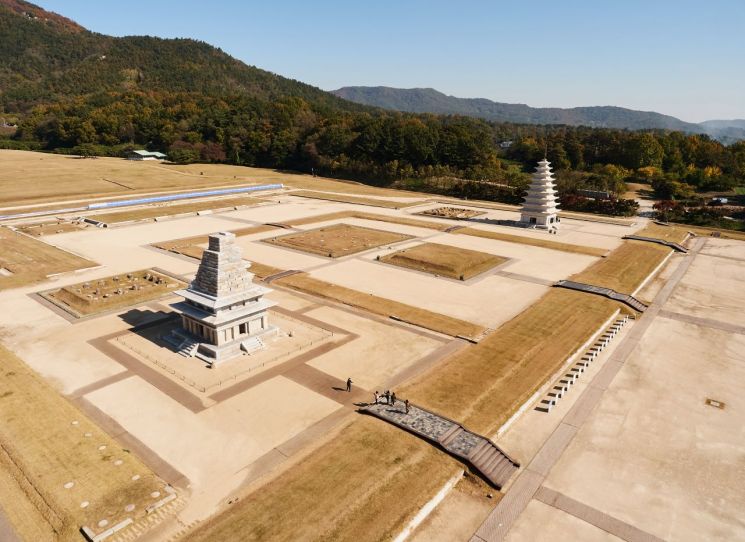
The permanent exhibition is held across three spaces. Room 1 focuses on Baekje in Iksan, featuring materials from the Wanggung-ri site, Jesaeksa Temple Site, and Ssangneung, presumed to be the tombs of King Mu and his queen. Room 2 sheds light on Mireuksaji from various perspectives such as civil engineering and architecture, production and economy, and Buddhist rituals and scripture lectures. The sarira reliquary set from the Mireuksaji stone pagoda, designated as a treasure, is displayed in a separate space, alongside contemporary artworks inspired by the Mireuksaji stone pagoda. Room 3 covers the Iksan cultural area, showcasing various artifacts such as earthenware, ceramics, gilt-bronze crowns, gilt-bronze shoes, and bronze items to introduce the Gojoseon and Mahan powers rooted in Iksan.
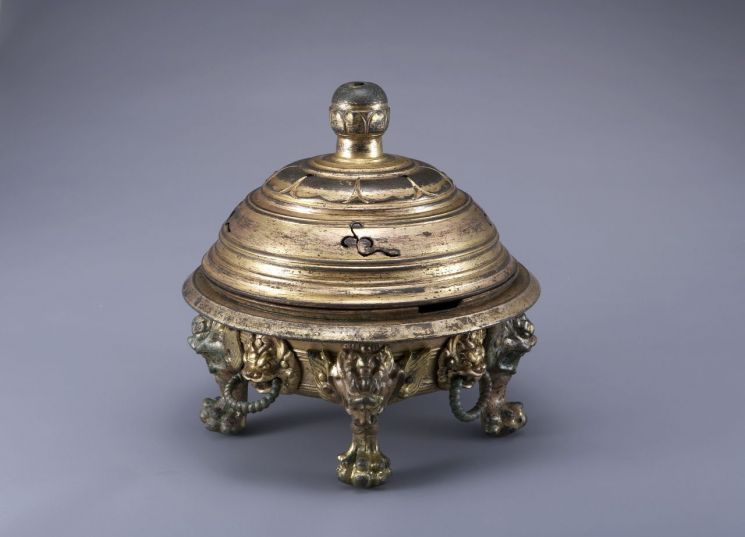
To commemorate the opening, the Iksan Museum is holding a special exhibition titled “Sarira Reliquaries, Another World Inside the Pagoda” until March 29. It exhibits fifteen sarira reliquaries, including the national treasure sarira container excavated from the Wanggungsa Temple Site in Buyeo and the designated treasure No. 1925, the sarira reliquary set of Yi Seong-gye. The sarira outer cases from the three-story stone pagodas at Gamsanseong Temple Site in Gyeongju, held by the National Gyeongju Museum, and the National Museum of Korea are also on display. Visiting hours are from 9 a.m. to 6 p.m., and the museum is closed on Mondays.
© The Asia Business Daily(www.asiae.co.kr). All rights reserved.
![Clutching a Stolen Dior Bag, Saying "I Hate Being Poor but Real"... The Grotesque Con of a "Human Knockoff" [Slate]](https://cwcontent.asiae.co.kr/asiaresize/183/2026021902243444107_1771435474.jpg)

















