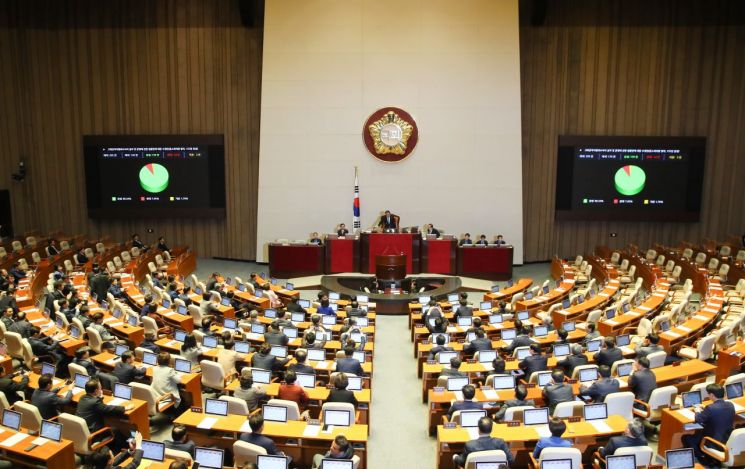
[Asia Economy Reporter Kang Nahum] On the 9th, the National Assembly will hold a plenary session to attempt the passage of remaining fast-track bills, including the prosecution and police investigation authority adjustment bill (Criminal Procedure Act and Prosecutors' Office Act) and the three kindergarten-related laws (Early Childhood Education Act, Private School Act, and School Meals Act). However, the Liberty Korea Party has not withdrawn its intention to filibuster (legally obstructing parliamentary proceedings through unlimited debate) on the contentious bills, making the passage of the bills expected to face difficulties.
For now, the Democratic Party plans to process about 180 livelihood bills, including the Youth Basic Act, for which the Liberty Korea Party has withdrawn its filibuster, during the plenary session scheduled for 2 p.m. that day.
In particular, the three data-related laws (Personal Information Protection Act, Credit Information Act, and Information and Communications Network Act amendments) and the three pension-related laws (National Pension Act, Basic Pension Act, and Disabled Pension Act amendments), which had long been pending in the Legislation and Judiciary Committee, are also likely to pass the National Assembly. The day before, the ruling and opposition parties engaged in a tense negotiation over the agenda items to be submitted to the first subcommittee and the full committee of the Legislation and Judiciary Committee. Ultimately, through an agreement, the bills were approved at the full committee meeting that day and forwarded to the plenary session.
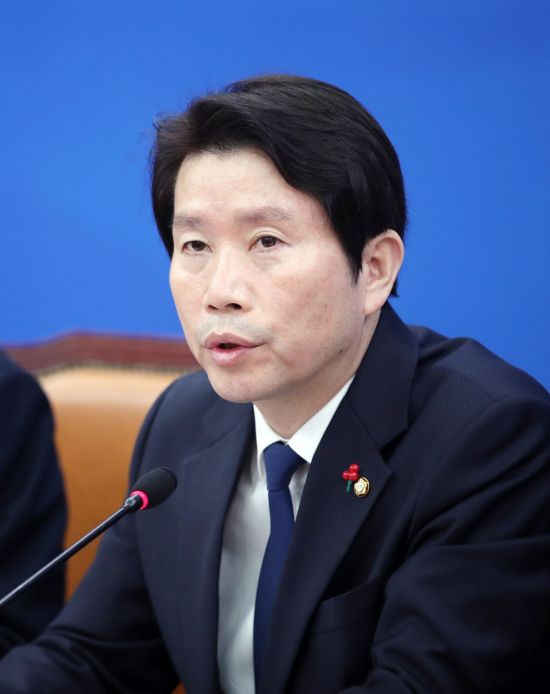
Afterwards, the Democratic Party plans to decide the session period of this extraordinary session and sequentially submit the prosecution and police investigation authority adjustment bill and the three kindergarten-related laws, but since the Liberty Korea Party is highly likely to filibuster these contentious bills, their passage remains uncertain.
Lee In-young, the floor leader of the Democratic Party, said at the party strategy meeting that day, "The Liberty Korea Party has not withdrawn its application for unlimited debate (filibuster) on the prosecution and police investigation authority adjustment and the three kindergarten-related laws," adding, "There has been sufficient debate and time for reflection on the contentious issues. We request that the Liberty Korea Party make a magnanimous decision to allow the contentious bills to be processed collectively."
The day before, Shim Jae-cheol, the floor leader of the Liberty Korea Party, hinted at a policy to block the contentious bills by saying to reporters, "I plan to convey to the Democratic Party not to tarnish the process of handling livelihood bills, which started on a good note."
If the Liberty Korea Party carries out another filibuster, the Democratic Party will have no choice but to adopt a 'split National Assembly' strategy (a strategy to end the extraordinary session quickly in response to filibusters and then open a new extraordinary session to pass the bills).
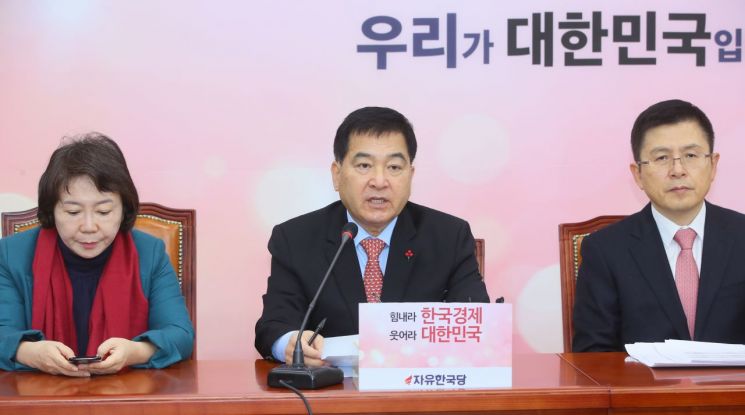
However, considering that the Liberty Korea Party also agrees on the need to decentralize the powers concentrated in the prosecution and that there was not a significant difference in opinion compared to other fast-track bills such as the establishment of the High-ranking Officials' Crime Investigation Office and the revision of the Public Official Election Act, some within the ruling party predict a dramatic agreement before the plenary session.
Hwang Kyo-ahn, the leader of the Liberty Korea Party, who had consistently guarded the Rotunda Hall of the National Assembly during every fast-track confrontation, has also begun to focus on livelihood activities, effectively stepping back from the fast-track issues. On the 2nd, Hwang visited the earthquake-affected areas in Pohang, Gyeongbuk, and Daegu, and on this day, he visited Gangwon Province to hold meetings with small business owners and youth.
© The Asia Business Daily(www.asiae.co.kr). All rights reserved.
![Clutching a Stolen Dior Bag, Saying "I Hate Being Poor but Real"... The Grotesque Con of a "Human Knockoff" [Slate]](https://cwcontent.asiae.co.kr/asiaresize/183/2026021902243444107_1771435474.jpg)

















