Nepal Tightens Everest Climbing Rules
"Must First Summit a 7,000-Meter Peak"
Bill Passes Upper House Unanimously
Awaits Only Lower House Vote
"For Climber Safety and Local Economies"
Nepalese authorities are pushing legislation that would require climbers to first summit a 7,000-meter-class peak within Nepal before attempting Mount Everest (elevation 8,849 meters), the world's highest peak.
According to major foreign media outlets on February 20, the Nepalese upper house unanimously passed a bill containing these provisions last week. The bill now awaits only a vote in the lower house, which will be formed through the general election scheduled for March 5, 2026. However, even if the bill passes the lower house, it will not be applied this spring.
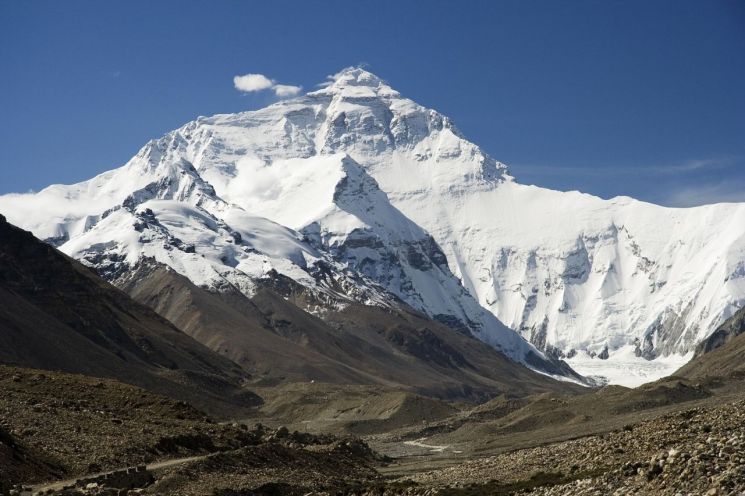
The push for this legislation is based on the assessment that if Everest climbers first scale a 7,000-meter-class peak, they can gain experience and thereby reduce the risk of accidents on Everest. Himal Gautam, an official at the Nepalese Ministry of Tourism, told AFP, "The legislative initiative is intended both to reduce the risk of accidents on Everest and to help the local economies around the 7,000-meter-class peaks." Every year, hundreds of people flock to attempt Everest, but far fewer climbers visit the lower peaks. A bigger problem is that even climbers with insufficient experience are heading straight to Everest, which is causing not only severe congestion but also multiple issues such as accidents and difficulties in rescue operations.
In Nepal, matters related to climbing and trekking are announced every year through regulations issued by the Ministry of Tourism and other authorities, but it is unusual for such rules to be reflected in law as in this case. Some have also raised concerns about the bill. Lukas Furtenbach, a member of an Austrian expedition team, told AFP, "I support the bill, but it seems problematic to require climbers to first summit only 7,000-meter-class peaks located in Nepal." He went on to ask, "If someone has already climbed many 7,000-meter-class peaks in other countries, does that not sufficiently qualify them to attempt Everest?"
The bill also includes a provision requiring climbers to submit a health certificate to the authorities in order to climb Everest. However, the existing deposit system of 4,000 dollars (about 5.8 million won), which has been in place to refund money to climbers who bring back a certain amount of trash after climbing Everest, will be abolished. Instead, climbers will be encouraged to donate to a fund dedicated to cleaning Nepal’s mountainous regions and supporting those who work in climbing-related jobs.
Nepal, which is home to 8 of the world’s 10 highest peaks, has 462 mountains open for climbing. Among them, there are 72 peaks in the 7,000-meter-class range (from 7,000 meters up to but not including 8,000 meters). When foreign climbers attempt these peaks in spring, they must pay a fee of 800 to 1,000 dollars (about 1.16 to 1.45 million won), depending on the altitude. However, the fee in autumn is reduced by half.
© The Asia Business Daily(www.asiae.co.kr). All rights reserved.

















