Assemblyman Choi Kisang presses government in interpellation
Calls for solutions to housing problems facing children in poverty
"We must wait for the changes that will come in two years"
"Are children responsible for being poor?"
On the evening of the 10th, at the plenary chamber of the National Assembly. Choi Kisang, a lawmaker of the Democratic Party of Korea who took the floor as the final questioner in the government Q&A session on economic affairs, continued his questions in a calm voice. The subject of his interpellation was clear: how to improve the housing conditions of hundreds of thousands of children living in substandard dwellings such as basements, rooftop rooms, and Gosiwon-style single rooms.
Assemblyman Choi said, "When I look at photos of the homes where these children sleep and live, I feel so distressed and ashamed that I even wonder whether public officials should have to live like this," adding, "When a human being is born, which parents they meet can indeed divide fortune from misfortune, but the way for misfortune not to turn into unhappiness and instead become happiness is for the state and the government to step in."
His appeal was all-encompassing. He invoked moral obligation, intergenerational social solidarity, comparisons with legal systems in other countries, the state policy goals of the Lee Jaemyung administration, and even a phrase from the book that says "America's leading child killer is poverty," as he quite literally set out to persuade Minister of Land, Infrastructure and Transport Kim Yundeok.
In particular, he pointed out, "The UN Convention on the Rights of the Child also contains provisions on housing support for children. The same applies to the Children Act in the United Kingdom, the Child and Youth Welfare Act in Germany, and the Building Code in France," and went on, "However, in our country, there are no provisions on children's right to housing in the Act on Support for Residentially Vulnerable Persons such as Persons with Disabilities and the Elderly, the Act on the Prevention of and Support for Child Poverty, or the Child Welfare Act."
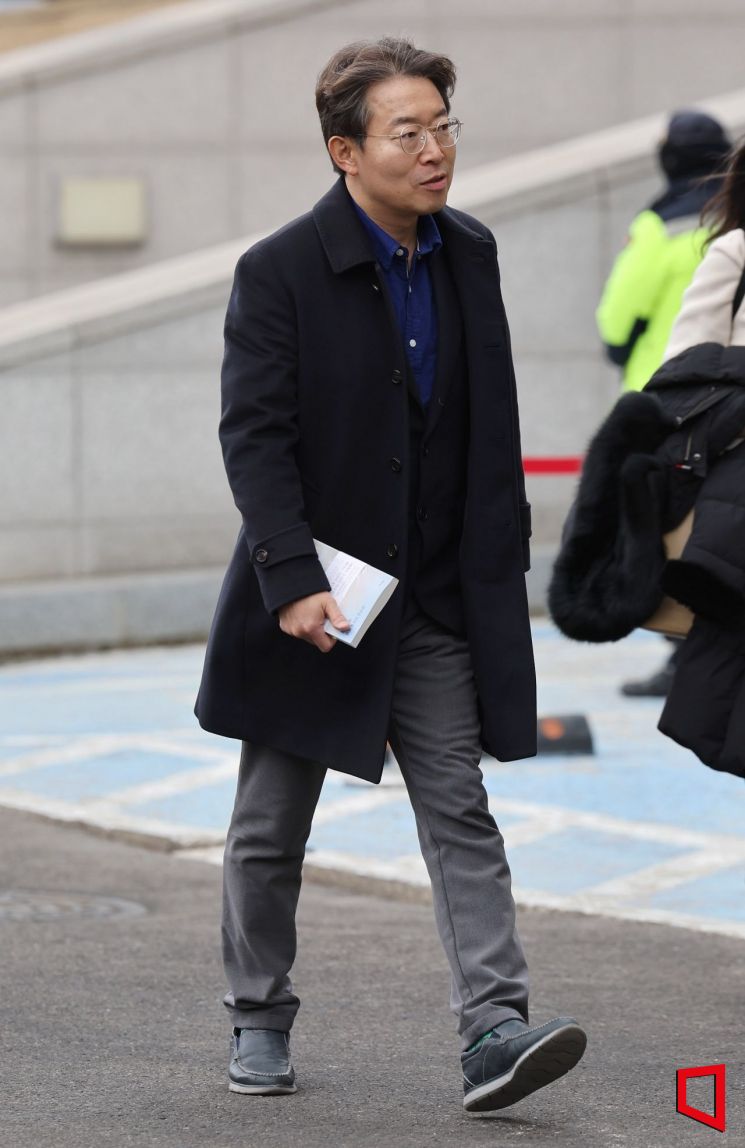
He then asked, "Minister, I saw that you also put forward a good related bill in the 21st National Assembly. Do you happen to remember it?" He was referring to the fact that Minister Kim, who is also a sitting lawmaker, had introduced an amendment to the Act on Support for Residentially Vulnerable Persons such as Persons with Disabilities and the Elderly during the 21st National Assembly that would include children under the age of 18 among the residentially vulnerable. By recalling the sense of problem-awareness at the time the bill was introduced, he was urging the minister to lead change.
Perhaps as a result of Assemblyman Choi's persistent persuasion, Minister Kim said, "Without making excuses about other ministries, the Ministry of Land, Infrastructure and Transport will take responsibility and do our utmost." Assemblyman Choi then repeatedly urged Prime Minister Kim Minseok as well, saying, "Please look into this once again."
Concluding his questions, Assemblyman Choi finished his remarks by quoting former German Chancellor Angela Merkel.
© The Asia Business Daily(www.asiae.co.kr). All rights reserved.
![Clutching a Stolen Dior Bag, Saying "I Hate Being Poor but Real"... The Grotesque Con of a "Human Knockoff" [Slate]](https://cwcontent.asiae.co.kr/asiaresize/183/2026021902243444107_1771435474.jpg)
















