Official Stance: "Respond Calmly"
The Coming Weeks Likely to Be the Most Critical Period
Subtle differences in tone are emerging within the presidential office over the U.S. administration's moves to ramp up tariff pressure. There is a clash between those calling for a strong response to Washington's move to reimpose higher tariffs and those arguing that Seoul should defuse trade frictions in a conciliatory manner first and then seek progress on security agendas. Some are also wary that discordant noises could leak outside at a time when the presidential office needs to deliver a single, unified message.
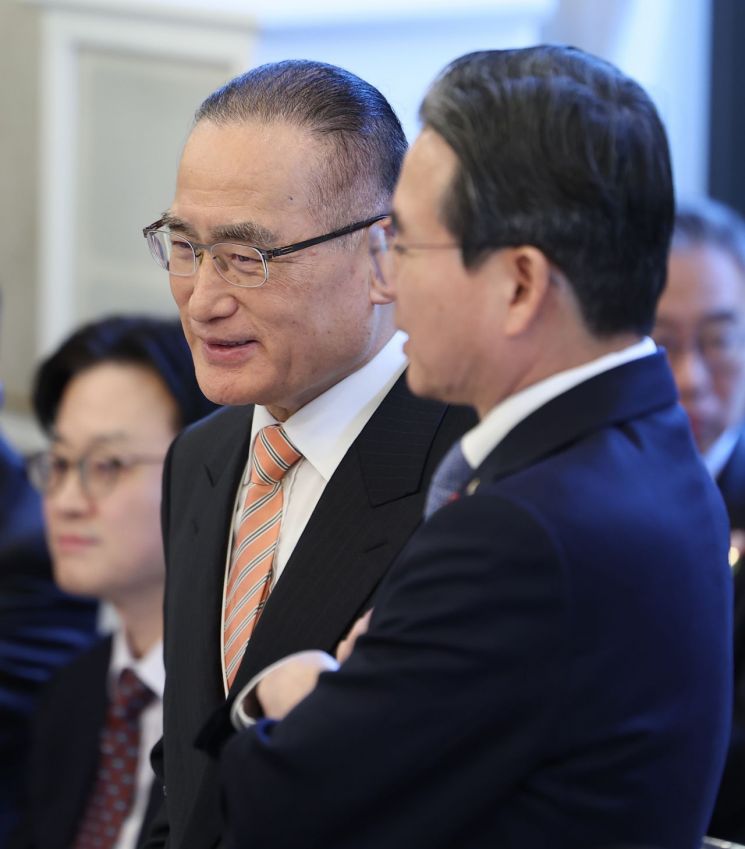
According to the presidential office on the 9th, President Lee has been convening meetings frequently and is weighing options for how to respond on tariffs. The official stance of the presidential office is that it will "respond calmly," on the grounds that tariff hikes can only take effect after administrative steps such as publication in the Federal Register; but the situation is far from easy. This is because pressure on Korea is bound to intensify, as U.S. President Donald Trump needs to produce visible results before the midterm elections in November.
Within the presidential office, opinions are divided over how to resolve the issue. In the trade policy team, there is a strong sense of caution that once tariffs are raised, it will be very difficult to bring them back down. There is also a deep sense of crisis that if concessions are repeated, they will have to be made again and again. The U.S. notification deviates from the "joint fact sheet," and there is a view that if Seoul accepts this, it will only trigger another round of pressure.
By contrast, security aides take the position that this phase should be navigated with a conciliatory approach. They argue that there is still a great deal that Korea needs to secure from the United States. Only by absorbing and managing U.S. grievances in the trade negotiations as much as possible, they say, can Seoul make progress on issues such as nuclear-powered submarines and uranium enrichment and reprocessing. They note that the fallout from the trade dispute has already begun to spill over into the security arena, with the U.S. negotiating team postponing its visit to Korea, and they believe the embers must not be allowed to grow into a larger fire.
The presidential office expects the next few weeks to be the most critical phase. If the United States raises tariffs even after the Special Act on Strategic U.S.-Korea Investment Management (Special Act on Investment in the United States) passes the National Assembly, trade uncertainty will immediately translate into a tangible burden. A ruling-party official pointed out, "Because trade and security issues between South Korea and the United States are interconnected, closer cooperation is needed, and it is not appropriate for internal differences in perspective to surface to this extent." In response, an official at the presidential office explained, "President Lee is being fully briefed by his aides on the state of the negotiations" and added, "We are doing our utmost to maximize the national interest, with a focus on practicality."
© The Asia Business Daily(www.asiae.co.kr). All rights reserved.
![User Who Sold Erroneously Deposited Bitcoins to Repay Debt and Fund Entertainment... What Did the Supreme Court Decide in 2021? [Legal Issue Check]](https://cwcontent.asiae.co.kr/asiaresize/183/2026020910431234020_1770601391.png)















