16 Cases Reported in the Past 5 Days
57 Infected and 5 Hospitalized
Epidemiological Investigation Links Cases to Korean Oysters
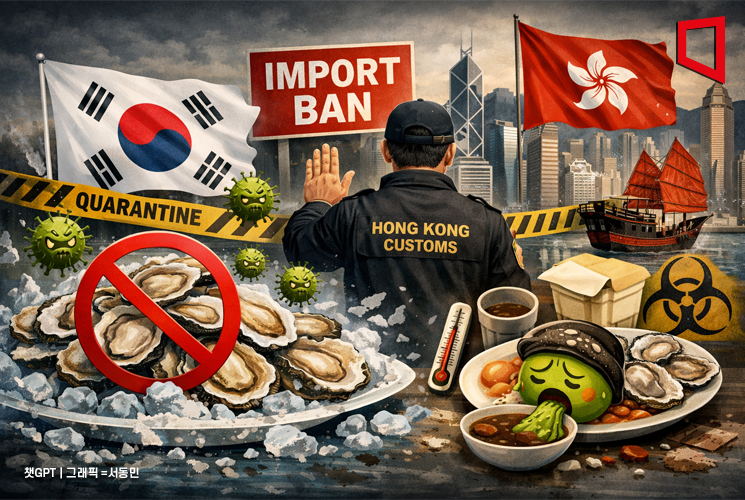
Hong Kong authorities have abruptly ordered a halt to the import, distribution, and sale of raw oysters supplied by a Korean company. The move comes in response to a recent surge in food poisoning cases related to norovirus in Hong Kong.
On February 6, local media outlets including The Standard Hong Kong reported that the Centre for Food Safety (CFS) under the Food and Environmental Hygiene Department (FEHD) had instructed that imports, distribution, and sales in Hong Kong of raw oysters supplied by a certain Korean company be suspended immediately. The following day, the same measure was imposed on raw oysters imported by two local Hong Kong companies.
A CFS spokesperson stated, "An investigation into restaurants and suppliers in connection with recent food poisoning cases reported to the Department of Health confirmed a link to raw oysters supplied by a specific Korean company." The spokesperson added, "As a preventive measure, we have immediately blocked the distribution of that company's products in Hong Kong."
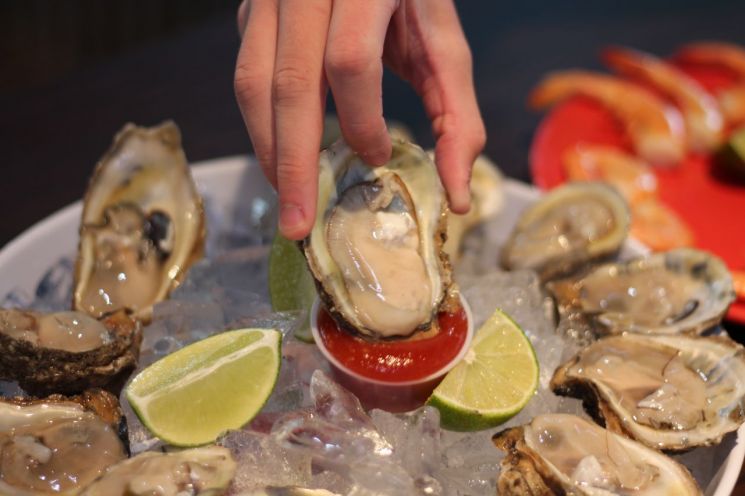 Hong Kong authorities are intensifying special crackdowns and inspections as cases of food poisoning linked to recent raw oyster consumption rise rapidly. Photo by Pixabay
As cases of food poisoning associated with raw oyster consumption have been rising rapidly, Hong Kong authorities are stepping up special crackdowns and inspections. Last month, the number of food poisoning incidents in Hong Kong averaged 4 cases per week, a sharp increase from the weekly average of 1 case in December 2025. In the first five days of February 2026 alone, 16 cases were reported. In particular, between January 18 and February 1, 23 food poisoning cases were reported, and 20 of these were confirmed to be related to norovirus.
A total of 57 people have been infected, 5 of whom required hospitalization. In particular, one man and three women between the ages of 28 and 38 developed symptoms such as abdominal pain, nausea, vomiting, diarrhea, and fever 20 to 42 hours after dining on January 31 and February 1 at a restaurant in New Town Plaza near Sha Tin. They tested positive for norovirus, and an epidemiological investigation found that they had consumed raw oysters supplied by the Korean company.
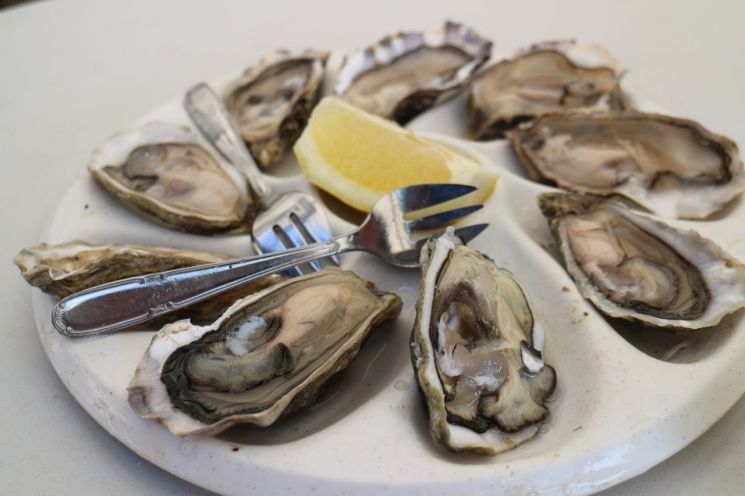 Oysters are filter-feeding organisms that obtain food by filtering large volumes of seawater; when they grow in or are harvested from polluted waters, they are likely to accumulate viruses and bacteria in their tissues. Pixabay
Oysters are filter-feeding organisms that obtain food by filtering large volumes of seawater, and when they grow in or are harvested from polluted waters, they are highly likely to accumulate viruses and bacteria in their tissues. Norovirus in particular is highly resilient even at low temperatures and can cause infection with only a small dose, making it one of the leading causes of mass food poisoning in winter. After infection with norovirus, symptoms such as vomiting, diarrhea, abdominal pain, and fever typically appear following an incubation period of about 24 to 48 hours.
Therefore, elderly people and young children with weak immune systems, as well as patients with underlying conditions, need to be cautious because they face a higher risk of complications such as dehydration. The CFS spokesperson stressed, "Oysters have the characteristic of being able to accumulate pathogens," and added, "Vulnerable groups such as pregnant women, the elderly, and immunocompromised individuals should avoid eating raw or undercooked oysters." The spokesperson also stated that the Hong Kong authorities have notified the Korean authorities of the situation and are tracing the distribution channels of the product. Whether this measure by the Hong Kong authorities remains a temporary preventive step or is expanded further will be decided based on the results of future epidemiological investigations.
© The Asia Business Daily(www.asiae.co.kr). All rights reserved.



















