Areca nut, a recreational product in Taiwan and Southeast Asia
Spreading among Chinese international students in Japan
Some young people consume it for its stimulant effects
Designated as a Group 1 carcinogen by the WHO
Among Chinese students studying in Japan, areca nuts, a tree fruit with stimulant effects, are flowing in and spreading through downtown entertainment districts and social networking services (SNS).
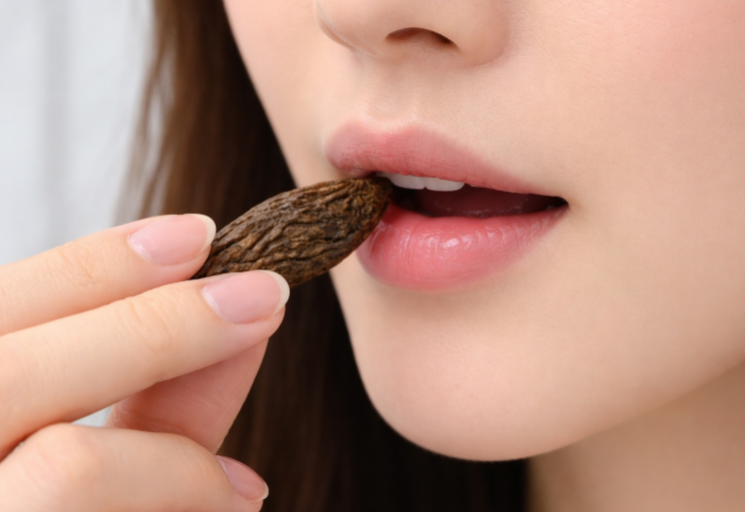
On February 4, Japanese media outlet Weekly Spa reported that "areca nuts are effectively being consumed like drugs in Japan." Areca nuts processed in Japan are not illegal, but due to their stimulant effect, they are perceived as a so-called "soft drug" and appear to be on the verge of spreading among young people in Japan.
The areca nut is the seed of a palm family plant that has long been used as a recreational item in Taiwan and parts of Southeast Asia. Areca nuts contain a component called arecoline, which affects the nervous system and induces a temporary state of arousal and excitement, such as rapid heartbeat and sweating.
"After chewing areca nut... I got drunk unusually fast"
The outlet introduced the case of a 21-year-old Japanese university student, identified as A, who said he drank with Chinese international students at a DJ bar in Roppongi, Tokyo, in December last year. At the time, A received an unfamiliar nut from a young Chinese man; at first glance, it looked similar to a jujube or an almond.
A said, "Out of curiosity, I put one in my mouth, and at first a mint-like refreshing sensation spread, but then a strong bitterness came along with a tingling of my tongue," adding, "I got drunk much faster than usual, and the headache lasted until the next day."
The bar is run by a Chinese owner, and while most of the customers are Chinese, there are reportedly quite a few Japanese and Western patrons as well. A later learned that the nut was an areca nut.
A said, "A drunken female customer chewed 6 to 7 pieces in a row and then danced in an unusually overexcited state, different from her usual self," and added, "I was told that while it is not illegal, it is effectively used like a drug among Chinese people and has begun to spread among young people in Japan."
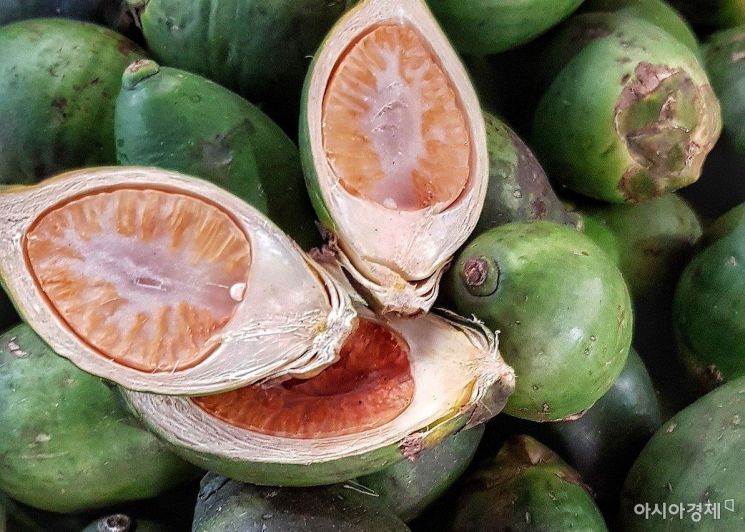
"It clears your head": areca nut spreads... WHO has classified it as a carcinogen
However, areca nuts are addictive and are also cited as a major cause of oral cancer. In particular, it is known that chewing areca nuts makes the likelihood of developing oral cancer 28 times higher than for people who do not consume them. The International Agency for Research on Cancer (IARC) has classified areca nuts as a carcinogenic substance, and the World Health Organization (WHO) International Agency for Research on Cancer designated areca nuts as a Group 1 carcinogen in 2003. China also designated arecoline as an oral cancer-inducing substance in 2017. Due to these risks, some countries ban the possession or distribution of areca nuts.
Freelance writer Daisuke Hirose, who has long covered China-related issues, said, "In Taiwan, street stalls selling areca nuts to truck drivers used to be a common sight, but regulations have been tightened," adding, "In mainland China, young people in their teens and twenties use dried areca nuts as stimulants in clubs or PC rooms."
He said, "Because there is a perception that it clears your head, it is also used among e-sports gamers," and added, "In Japan, Chinese international students who go to clubs consume it as a kind of stimulant recreational item to boost their excitement level."
Fresh areca nuts cannot be brought into Japan due to plant quarantine issues, but packaged dried products are not subject to import restrictions. For this reason, it appears that processed products are entering Japan.
Traded through apps... "Unrestrained consumption should be avoided"
The outlet reported, "There was information that areca nuts were being sold at certain imported food stores in areas such as Kawasaki in Kanagawa Prefecture and Shinsaibashi in Osaka, but our check found no stock," and added, "Transactions are being made through a pre-order system using the Chinese messenger application (app) WeChat."
In fact, it has been found that numerous sales accounts tagged with phrases such as "Japan areca nut" are registered on the Chinese social networking service (SNS) Xiaohongshu. When searching for "Japan areca nut," posts appear with phrases such as "Genuine Japan areca nut, retail and wholesale" and "Hand delivery in Osaka Shinsaibashi, 2,000 yen per bag." Comments inquiring about purchases are also attached to these posts.
The outlet found that all areca nut products obtained from sellers contacted via SNS were manufactured in China's Hunan Province. Hirose explained that, in relation to the regulatory situation within China, only Hunan Province is exceptionally permitted.
Currently in Japan, the possession and use of areca nuts are not illegal. However, in China, the health risk is widely known under the saying, "If you add tobacco and alcohol to areca nuts, the King of Hell will beckon you." The outlet reported that it is advisable to avoid indiscriminate consumption.
© The Asia Business Daily(www.asiae.co.kr). All rights reserved.