Discovery of "eye bacteria" that trigger dementia
Analysis shows chronic inflammation accelerates neurodegeneration
Eye exams expected to enable early detection of dementia risk
A study has found that a common bacterium, to which 80% of adults are infected at least once in their lifetime, may worsen Alzheimer’s dementia. In particular, as the possibility has been raised that this bacterium may remain in the retina of the eye and promote brain inflammation and neurodegeneration, attention is focusing on whether it could provide a new clue for early diagnosis and prevention of dementia.
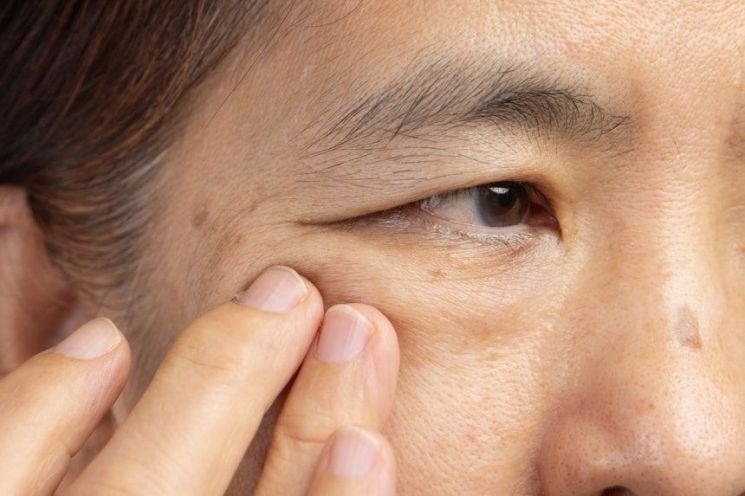
According to the Daily Mail on the 3rd (local time), a research team at Cedars-Sinai Medical Center in Los Angeles, United States, analyzed post-mortem eye tissue donated by patients with Alzheimer’s disease, patients with mild cognitive impairment, and cognitively normal individuals, and reported these findings.
Up to four times higher in Alzheimer’s patients
When the researchers analyzed tissue from 95 deceased donors, they found that the retinas and brains of Alzheimer’s patients contained a specific bacterium 2.9 to 4.1 times more frequently than those of cognitively normal individuals.
The bacterium is Chlamydia pneumoniae, a common pathogen that typically causes mild respiratory symptoms similar to a cold. It is so common that about 80% of adults are believed to have been infected at some point, but in most cases it is thought to resolve without serious long-term complications.
However, the study showed that the higher the bacterial load, the more severe the brain damage and cognitive decline. Previous research had also detected this bacterium in the brain tissue of Alzheimer’s patients, and it was frequently observed around amyloid plaques, which are known to cause memory loss and confusion.

Unlike many other bacteria, Chlamydia pneumoniae has the ability to survive inside human cells. It is thought to be capable of evading the immune system, persisting in the body for long periods, and potentially triggering chronic inflammation.
When the researchers infected human nerve cells with this bacterium in the laboratory, they confirmed that inflammatory pathways associated with Alzheimer’s disease were activated and that disease-related proteins increased.
The team also found that specific patterns observed in the retina may be useful for diagnosing Alzheimer’s. Their analysis identified clues suggesting that bacterial presence and traces of inflammation in the retina could be used to predict the risk of the disease.
The researchers explained, “We consistently detected Chlamydia pneumoniae in human tissue, cell cultures, and animal models,” adding, “We have newly identified the link by which bacterial infection leads to inflammation and neurodegeneration.”
Potential for early detection of dementia risk signals
This suggests the possibility that, in the future, simple eye examinations alone could allow early detection of warning signs of dementia risk. Given that current dementia diagnosis relies mainly on brain imaging and cognitive function tests, there is an outlook that this approach could serve as a relatively simple diagnostic method.
Professor Maya Koronyo-Hamaoui, who led the study, said, “The eye is like a window into the state of the brain,” explaining, “By examining infection and inflammation in the retina, we can predict how far a brain disease has progressed.” Co-researcher Professor Timothy Crother said, “There is potential to develop new therapeutic strategies that work by blocking infection and inflammation.”
© The Asia Business Daily(www.asiae.co.kr). All rights reserved.